










 About Us
 Brand
Brand
 Career
 Contact Us


 +91-7314623098




HR teams are already using AI; just not in the ways that matter most.
Tools like resume filters and meeting schedulers are fine, but they barely scratch the surface of what’s possible.
AI can do more than sort applicants or draft emails. It can help HR take on a stronger, more strategic role within the company. Teams that treat HR as a data-powered command center will move faster, identify gaps sooner, and make better hiring decisions than those stuck in administrative mode.
Today, we’ll break down five areas where AI is quickly becoming essential for HR teams. Let’s get into it:
How AI Transforms Core HR Functions
AI doesn’t just optimize tasks; it redefines how HR operates.
Here’s a quick look at what changes when you stop relying on manual workflows and start using AI-powered intelligent systems:
| HR Function | Without AI | With AI |
| Recruitment | Manual screening, slow TAT, potential bias | AI-suggested candidates, automated JD creation, bias alerts |
| Onboarding | Static checklists, HR bottlenecks | Personalized journeys, 24×7 chatbot support |
| Employee Development | Generic training modules, low visibility | Skill-based learning paths, smart mentor matching |
| Engagement Monitoring | Annual surveys, reactive action | Continuous behavior insights, real-time intervention |
| Performance Management | Manual goal tracking, inconsistent reviews | Automated OKRs, data-driven feedback triggers |
| Attrition Planning | Guesstimates and lagging indicators | Attrition modeling, real-time scenario planning |
6 Reasons HR Can’t Ignore AI Anymore
A Gartner report found that the number of HR leaders piloting or implementing GenAI solutions doubled between 2023 and 2024.
From resume screening to chatbot onboarding, AI tools are working quietly in the background. But while most teams stick to surface-level use, the smart ones are going deeper. Here’s where things get serious:
1. HR is Sitting on a Goldmine of Untapped Data
HR systems collect more data than most departments: who’s leaving, who’s thriving, who’s coasting. But collecting isn’t the same as using. Most teams let this data sit in silos, disconnected and underused. Decisions get made based on a manager’s instincts, not actual patterns.
What It’s Costing You:
- Missed warning signs of attrition
- Under-leveraged top performers
- Hiring misfires based on gut feel
In fact, Gallup estimates $438 billion in global productivity was lost last year due to disengaged employees. That’s what underutilized HR data actually costs.
2. AI Helps Detect Patterns Your Team Can’t
People don’t always say when they’re burning out. But their behavior usually shows it first. AI identifies patterns that managers often overlook, such as shifts in response time, inconsistent PTO usage, or chronic meeting overload. These signals are too subtle to catch manually, but they add up fast.
That’s where AI comes in. By analyzing communication habits, meeting loads, and time-off trends, AI tools can identify friction points before they escalate into churn.
In 2024, global employee engagement dropped to 21%; a decline as sharp as what we saw during COVID lockdowns. Most teams didn’t see it coming because they weren’t tracking the signals. AI can.
What AI Can Surface:
- Repeated late-night emails from the same employee
- Surge in skipped PTO after peak project cycles
- Decrease in collaboration across high-stress teams
This kind of early detection is nearly impossible to do manually. A team that consistently works after hours or skips PTO might look productive. But AI can show what’s happening, i.e., a slow leak in energy that ends with top performers walking out the door.
For instance, Microsoft uses its AI-powered platform to track employee well-being without invading privacy. When Viva flagged certain teams for long meeting hours and low recharge time, managers were able to intervene early.
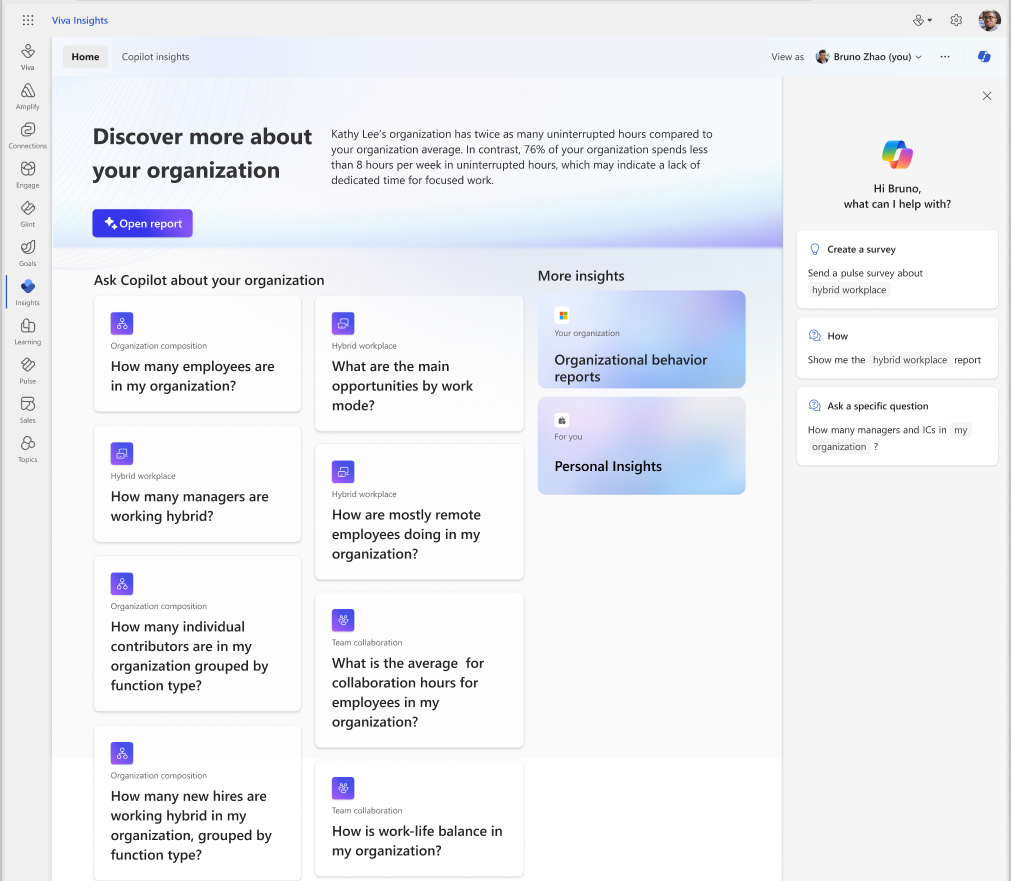
They restructured meeting cadences, built-in protected focus time, and encouraged smarter PTO planning. This resulted in teams bouncing back without needing a mass reset or exit interviews to tell them something was wrong.
3. AI is Removing Bias From Recruitment And Performance
Bias in hiring and evaluations isn’t always intentional, but it shows up in the results. From who gets shortlisted to who gets promoted, subtle patterns can shape outcomes in ways no one notices until it’s too late. AI is helping teams surface these patterns.
Instead of guessing where bias might exist, HR can point to real data. That changes the conversation from vague suspicion to concrete action.
Here’s what AI can do in this matter:
Algorithms To Audit Your Hiring Process Better Than A Manual Review
Bias audits used to mean someone scanned a few job ads for loaded language and called it a day. That doesn’t cut it anymore. AI systems can look at the entire funnel; who’s clicking, who’s applying, who’s dropping off, and when.
It can break this down by gender, age bracket, location, and more. If your technical roles see women dropping out after the first interview stage at 3x the rate of men, AI can show you. You don’t have to guess why your pipeline skews a certain way; it’s in the numbers.
Adding A Human Touch With Accountability
AI isn’t here to pick candidates or rank employees. It’s here to flag unusual trends, such as one manager consistently rating their team lower than everyone else, or a hiring panel that consistently favors the same profile.
These insights don’t replace HR. They strengthen it. When teams can’t hide behind “just a feeling,” the process becomes sharper, fairer, and harder to game.
4. Employee Development Is Where AI Can Surprise You
Most development programs still follow the same outdated logic: select a few training modules, disseminate them to everyone, and hope they are effective. The problem is that it rarely does. High performers get bored. Those with gaps fall further behind. And HR has no visibility into who’s progressing or who’s stuck.
This is where AI starts pulling real weight. It can track what skills are growing stale, spot who’s ready for a shift, and match people with the exact resources they need.
PepsiCo, for example, utilizes machine learning to recommend personalized learning paths tailored to employees’ interests, skills, and career goals. Airbnb does the same during onboarding, tailoring content based on behavior and usage patterns to accelerate learning and connection.
Use Cases Of AI in Learning And Development
- Personalized Learning Plans at Scale: Instead of offering the same courses to everyone, AI can scan performance data, current roles, and goals to recommend the right learning path for each employee.
- Career Pathing that isn’t a Guessing Game: AI can show an employee three possible next steps in their career based on internal movement trends and skill requirements and map what they’ll need to get there.
- Real-Time Skill Gap Analysis: AI tracks evolving role requirements and flags where employees are falling behind, so L&D doesn’t stay reactive.
- Smarter Mentoring Pairings: Based on work styles, career goals, and experience levels, AI can suggest mentor matches that make sense far beyond surface-level job titles.
5. AI Cuts Through the Time Sink of Daily HR Tasks
Ask any HR team where their time goes, and it’s not a strategy; it’s paperwork. Routine tasks, such as drafting letters, resolving repetitive queries, managing OKRs, and scheduling reviews, quietly consume hours every week.
These aren’t difficult jobs, just constant. And the more they pile up, the less time HR has for what moves the needle.
Where AI Saves Time Instantly:
AI strips the friction out of this kind of work. It doesn’t just reduce manual load; it speeds everything up. Here are potential use cases of the same:
- Instant Replies to Employee Queries: AI chat tools resolve common HR requests and provide leave balance, policy details, and benefits information in seconds, not tickets.
- Auto-Generated Documents: Offer letters, exit letters, and employment confirmations are created on demand, with no manual formatting or version checks.
- One-Click OKR Rollouts: AI can build and assign team-specific OKRs based on past goals, project data, and current performance, org-wide.
- Triggered Feedback and Assessments: Performance reviews and check-ins are scheduled and sent automatically, based on timelines or activity, without HR needing to chase.
6. AI Can Help HR Speak the Language of the CFO
One of HR’s biggest challenges is quantifying impact in financial terms. It’s not enough to say a team is understaffed or that morale is slipping; if HR can’t connect those issues to revenue, it gets sidelined in budget conversations. That’s where AI flips the script.
With predictive analytics, HR can tie talent metrics directly to business outcomes. It moves HR from being a cost center to a data-driven partner in growth.
I. Predictive Analytics Turns Gut Feel Into Forecasts
Engagement drives performance, and 70% of a team’s engagement is directly linked to their manager, according to Gallup. AI helps HR flag when managers are at risk of disengaging, before that hits the bottom line.
Instead of saying, “We need more people,” HR can now show how understaffing slows pipeline velocity or pushes back product deadlines. It shifts hiring from a reactive to a strategic approach and ties it directly to growth.
For instance, IBM uses predictive analytics that helps flag employees at risk of leaving and personalize engagement strategies before problems surface. This kind of early insight is exactly what AI excels at: identifying signals that don’t appear on surveys.
II. Attrition Costs Get Modeled, Not Guessed
Vague estimates don’t convince anyone. AI can break down attrition into hard numbers.
Say a high-performing salesperson leaves. Without AI, HR might estimate the cost loosely or not quantify it at all. But AI tools can model the full financial impact using internal benchmarks and historical data.
Here’s how that breaks down:
- Lost Revenue: If that rep was averaging $140K in quarterly sales, and it takes six months to fully ramp a replacement, that’s $70K in lost revenue, conservatively.
- Onboarding Cost: Recruiting fees, training sessions, system access, and manager time add up quickly, totaling approximately $ 15,000 per hire.
- Ramp-Up Period: Even once hired, it takes new sales hires time to hit quota. AI can track historical ramp times, say, six months to full productivity, and model how that lag affects sales forecasts.
Put together; AI generates a precise figure: one exit = $85K+ in direct and opportunity costs. And if attrition rises across a region or team, the model scales to show how those losses stack up in real terms.
This kind of analysis gives HR a defensible way to argue for retention budgets, smarter hiring, or role redesign, without having to beg for buy-in.
III. Scenario Planning Becomes Fast And Credible
AI can simulate team restructuring, hiring delays, budget freezes, and project operational fallout. That’s the kind of input decision-makers rely on. Instead of HR reacting to cuts, it becomes the voice that flags the costs of those cuts.
How PeopleStrong Puts AI to Work Across the Employee Lifecycle
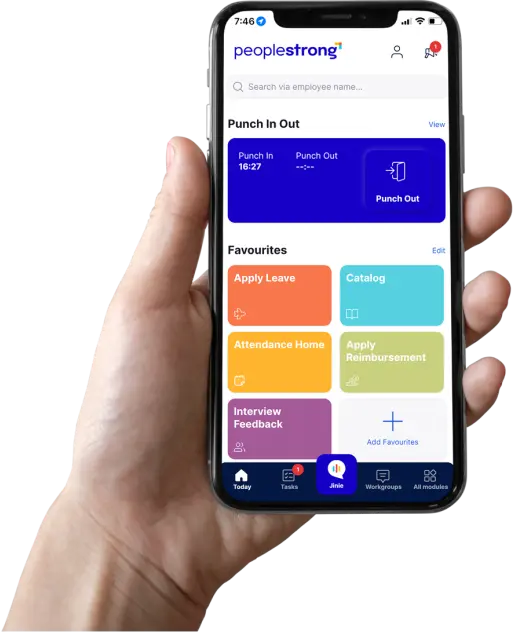
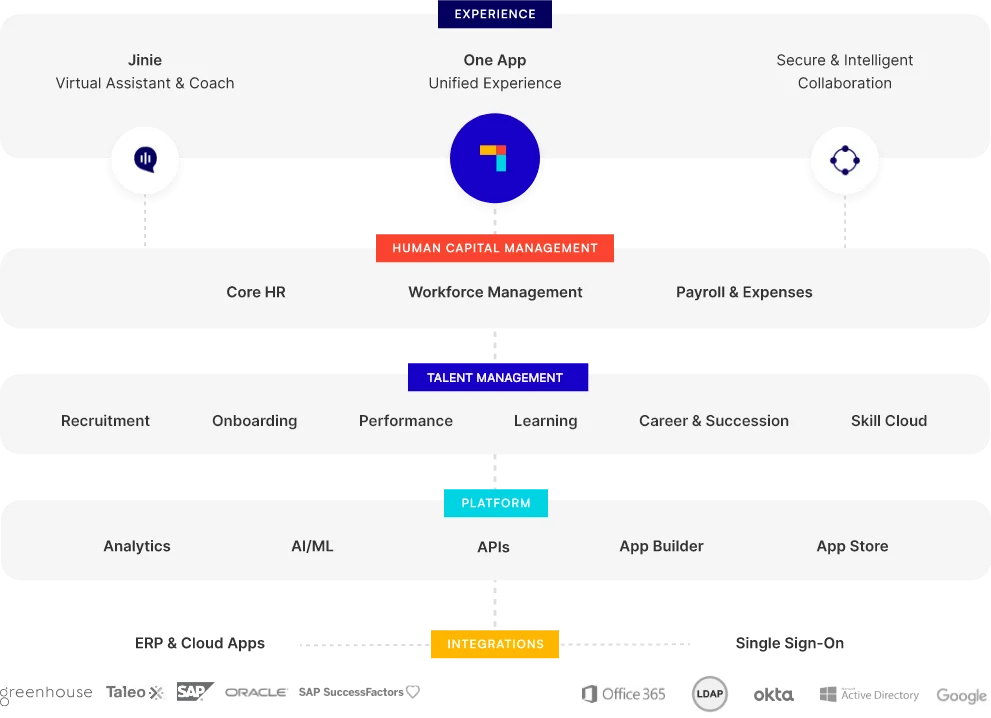
PeopleStrong is an enterprise-grade HR tech platform designed to manage the entire employee lifecycle, from recruitment to retirement. It supports over 2 million employees across 500+ large organizations in the Asia-Pacific region, offering modules for Human Capital Management, Payroll, Talent Acquisition, Talent Management, and Collaboration.
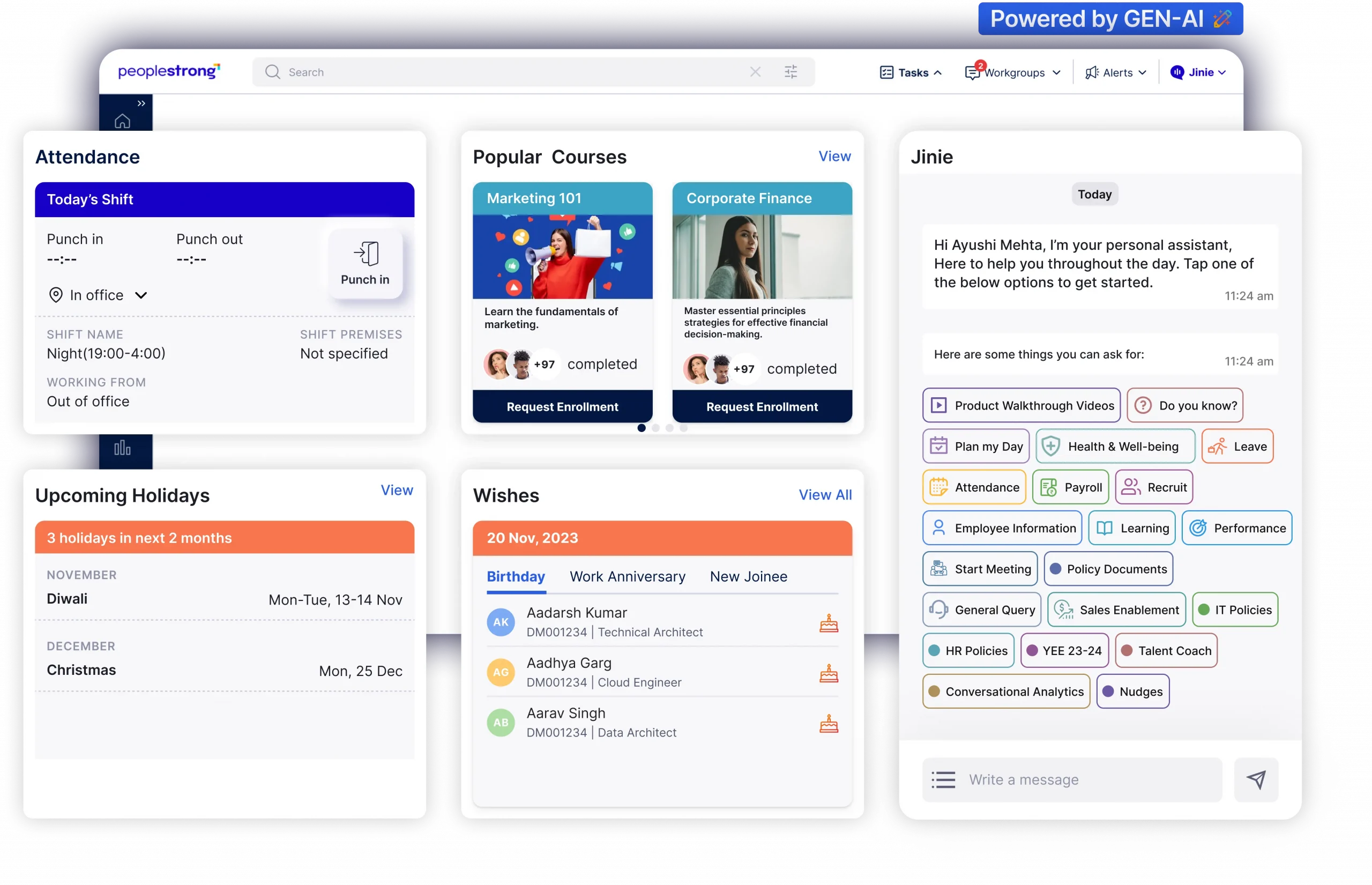
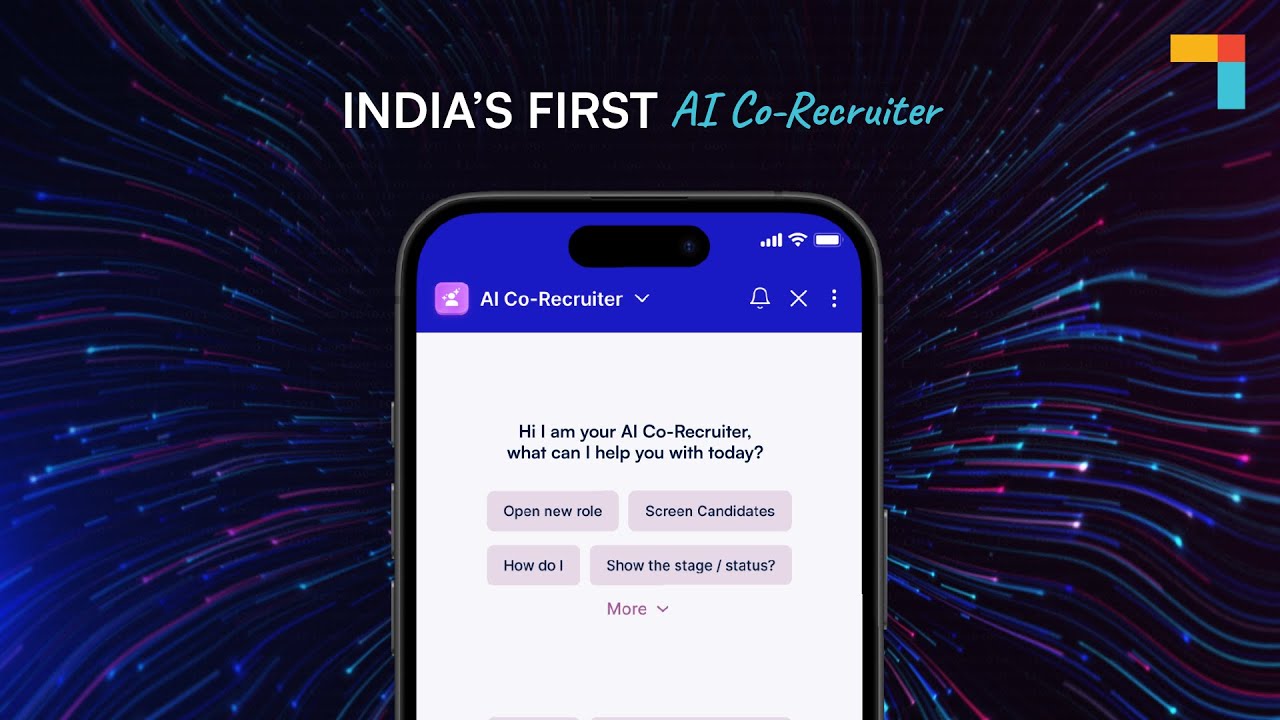
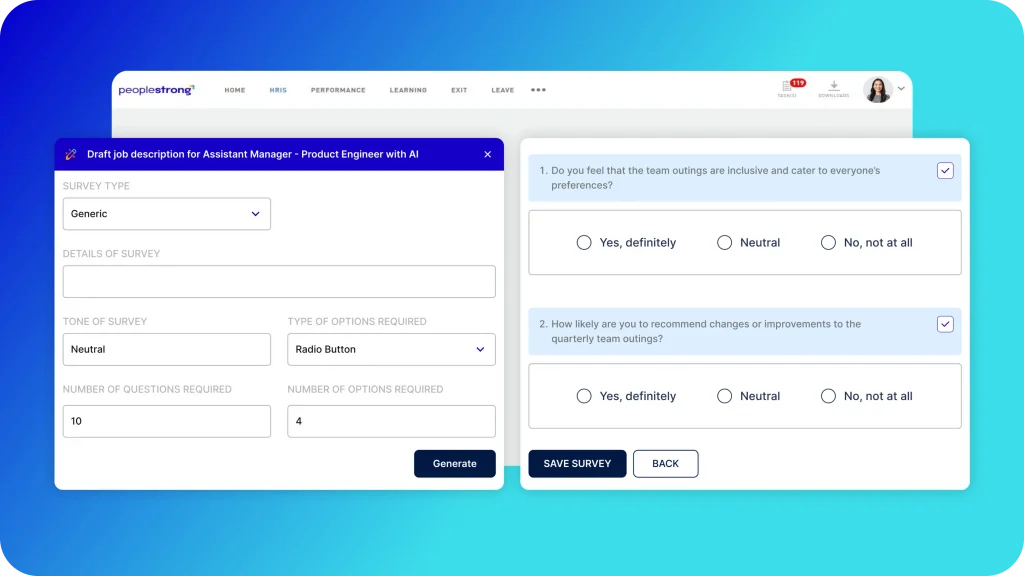
What sets PeopleStrong apart is its deep integration of Gen AI across all key touchpoints, making it one of the first platforms to embed AI into every layer of HR operations.
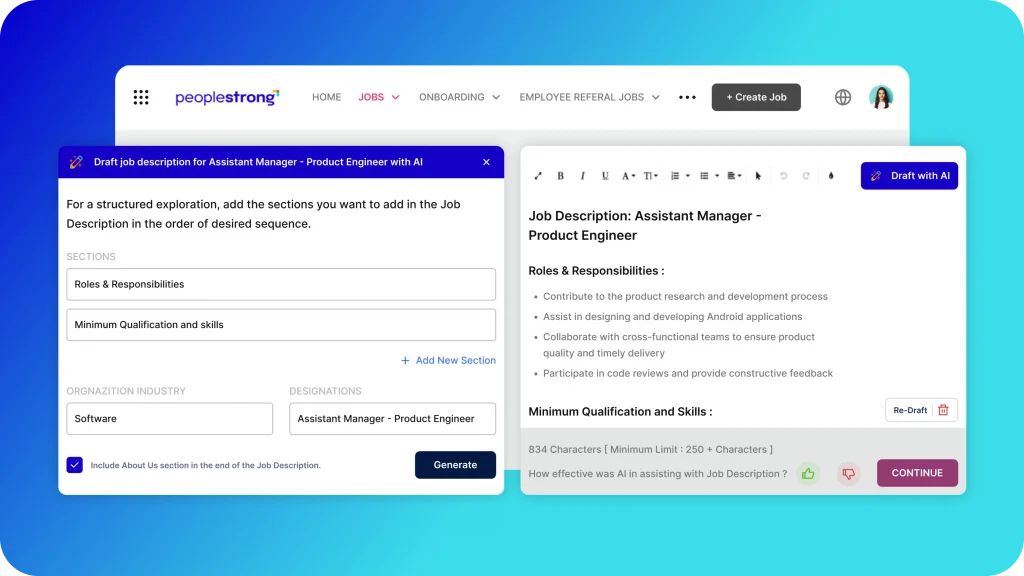
- Write Job Descriptions in Minutes: Skip the blank page. AI generates role-specific job descriptions tailored to skills, seniority, and function, designed to attract top candidates more efficiently.
- Equip Interviewers with Tailored Questions: Send panelists AI-generated, role- and resume-based questions so they walk into interviews fully prepped; no guesswork, no last-minute scramble.
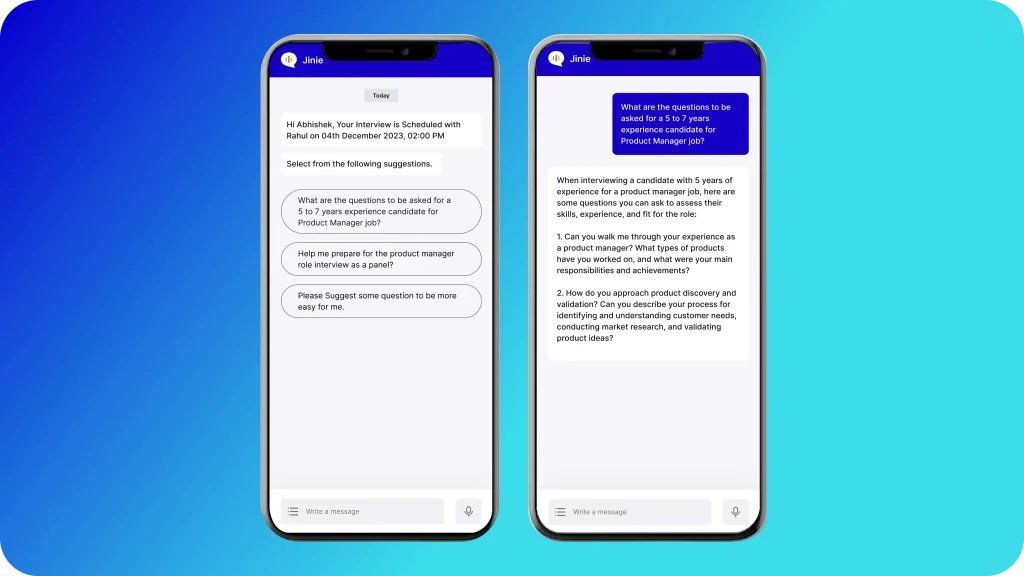
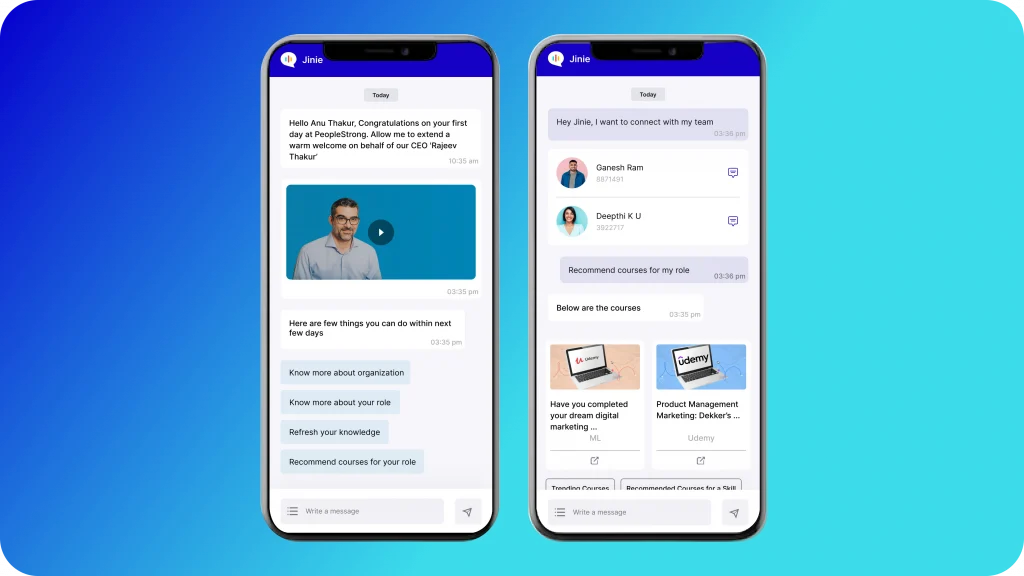
- Onboard New Hires with Personalized Journeys: Set up custom onboarding paths, assign AI-suggested mentors, and automate answers to routine questions with the Jinie chatbot.
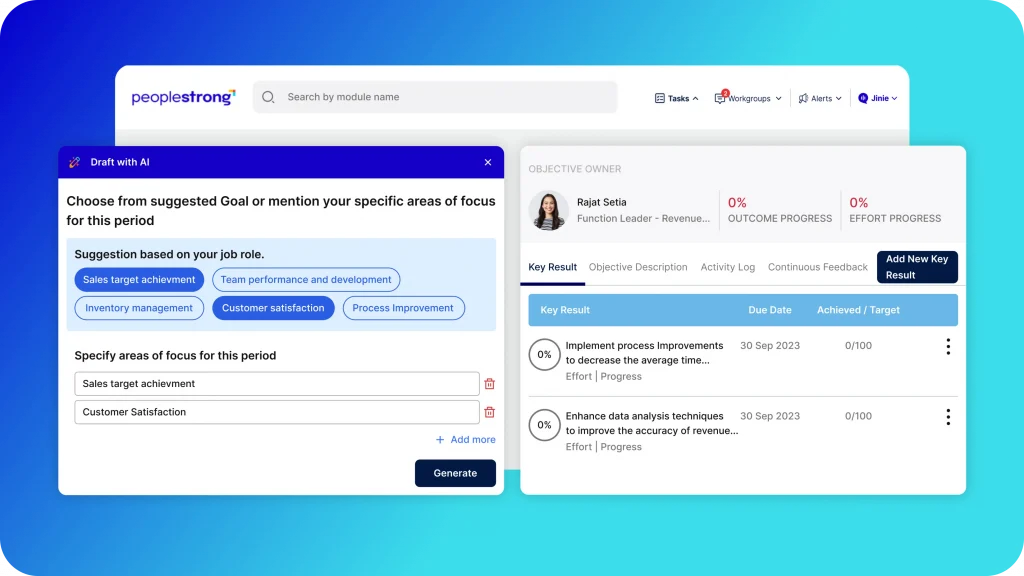
- Launch OKRs Across Teams in a Single Click: AI crafts and cascades smart, team-aligned OKRs based on existing data, cutting days of manual setup.
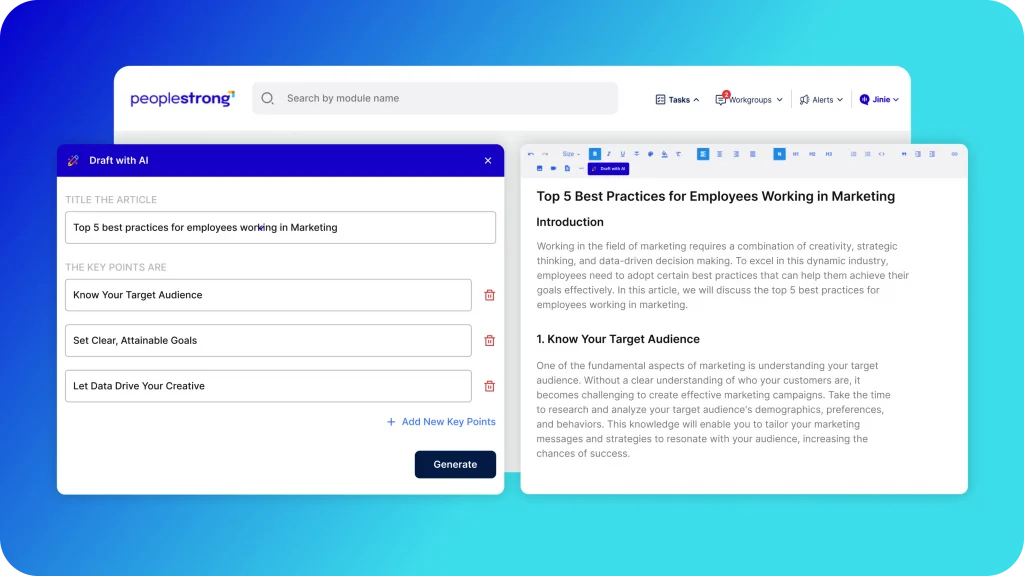
- Design Skill-Based Learning Plans that Stick: Use AI to map out each employee’s skill gaps and learning style. Then, auto-assign content, build IDPs and track progress without micromanaging.
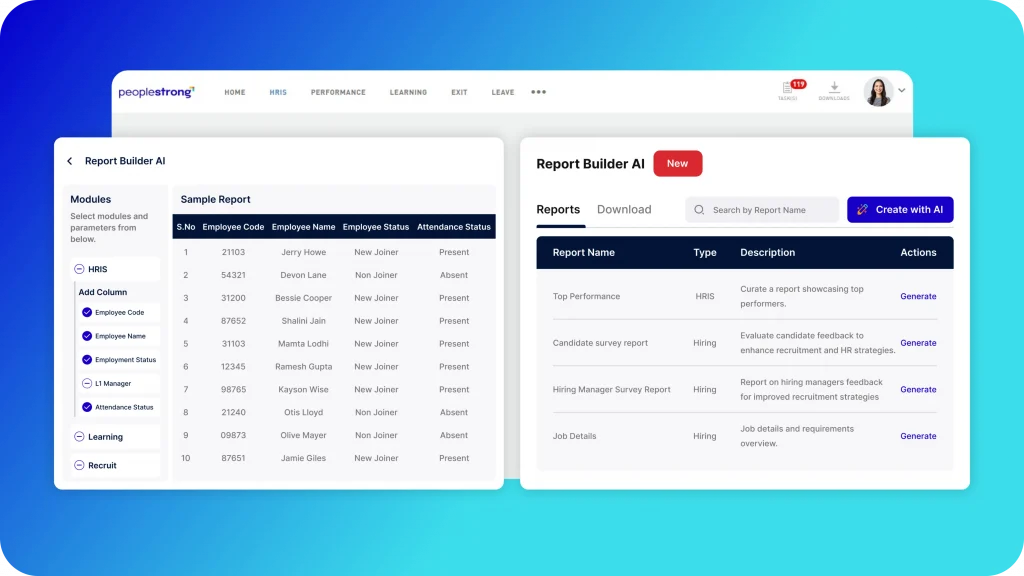
- Generate Meeting-Ready Reports on Demand: Create real-time, customized reports using simple prompts. No need to build dashboards or wait for analytics teams.
- Automate feedback and engagement loops: Trigger surveys, reviews, or check-ins based on activity or timelines so performance management stays active without constant follow-ups.
Build Smarter, Faster, Fairer HR With PeopleStrong
HR isn’t waiting around, and neither should you.
The shift to AI-powered workflows is already happening. This is more about giving them sharper tools to ask better questions, act sooner, and stop relying on guesswork. AI helps HR transition from a reactive to a predictive approach, from chasing problems to staying ahead of them.
With PeopleStrong, you’re not just adopting AI; you’re integrating it into every aspect of your HR engine, from hiring to performance management to employee retention.
Ready to see what your team can do with the right tools?