











 About Us
 Brand
Brand
 Career
 Contact Us



 +91-7314623098



An organisation’s ability to achieve its business objectives depends heavily on the effectiveness of its workforce. Human Resource Management (HRM) provides the framework for attracting, developing, managing, and retaining talent while ensuring workforce practices remain aligned with organisational goals.
As workforce expectations continue to evolve, HR has become increasingly strategic. According to the World Economic Forum’s Future of Jobs Report 2025, nearly 39% of workers’ core skills are expected to change by 2030, increasing the importance of workforce planning, learning, and talent development.
Understanding the functions of HRM helps organisations build stronger workforce capabilities, improve employee experiences, and support sustainable business growth.
What are the Functions of HRM?
The functions of HRM encompass the entire employee lifecycle, from workforce planning and recruitment to employee development and succession planning. These responsibilities are generally categorised into three key areas:
Managerial Functions: Strategic planning, organisational design, workforce coordination, and leadership support.
Operative Functions: Recruitment, onboarding, payroll administration, employee relations, performance management, and workforce development.
Advisory Functions: Providing workforce insights and guidance to business leaders and department heads to support informed decision-making.
Functions of HRM Explained with Examples
Managerial Functions
The managerial functions of HRM help organisations align workforce strategies with broader business objectives.
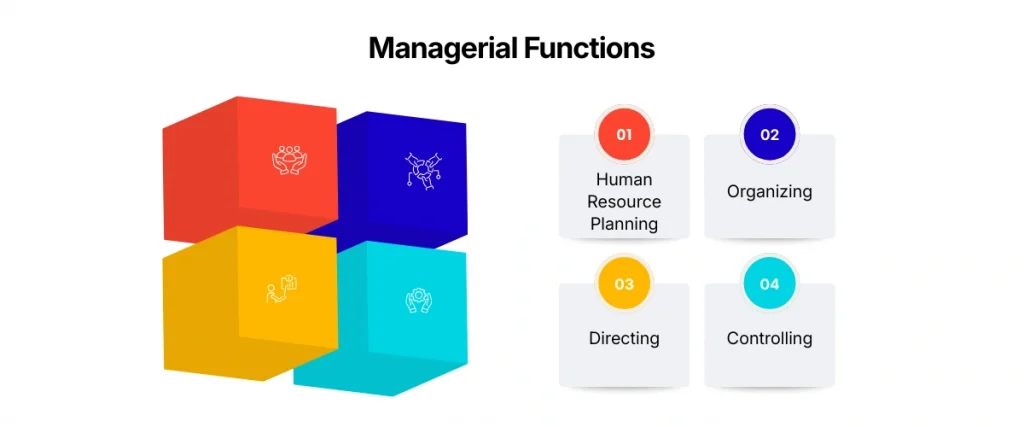
Human Resource Planning
Human resource planning focuses on forecasting future workforce requirements and ensuring organisations have access to the skills and capabilities needed to achieve business goals. For example, a technology company planning a cloud migration initiative may forecast future hiring requirements for cloud engineers, cybersecurity specialists, and project managers.
Organizing
Organising involves establishing reporting structures, defining roles and responsibilities, and ensuring teams operate effectively. A clear organisational structure helps improve collaboration, accountability, and operational efficiency.
Directing
Directing focuses on leadership, communication, employee motivation, and workforce coordination. This may include leadership development programmes, manager enablement initiatives, and communication strategies that support organisational performance.
Controlling
Controlling involves monitoring workforce performance, analysing key HR metrics, and ensuring workforce activities remain aligned with business objectives. Examples include tracking employee turnover, workforce productivity, and performance outcomes to identify opportunities for improvement.
Operative Functions
Operative functions support the day-to-day management of employees and workforce operations.
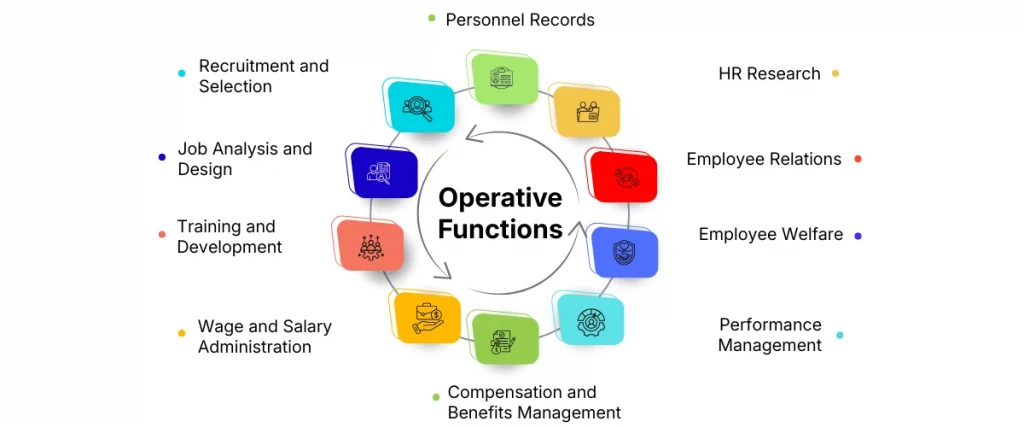
Recruitment and Selection
Recruitment and selection focus on identifying, attracting, and hiring talent with the skills required to support organisational success. Modern recruitment processes often leverage applicant tracking systems (ATS), workforce analytics, and structured assessment methods to improve hiring outcomes.
Job Analysis and Design
Job analysis helps organisations define role requirements, responsibilities, competencies, and performance expectations. Effective job design supports workforce productivity while ensuring employees have clarity regarding their responsibilities and expected outcomes.
Training and Development
Continuous learning has become increasingly important as organisations adapt to changing business and technology requirements. According to LinkedIn’s Workplace Learning Report, organisations that prioritise employee learning are more likely to improve retention and internal mobility outcomes.
Training and development initiatives help employees build new capabilities, strengthen performance, and prepare for future career opportunities.
Wage and Salary Administration
This function focuses on developing fair compensation structures, maintaining payroll accuracy, and ensuring pay practices remain competitive and compliant with regulatory requirements.
Compensation and Benefits Management
Compensation and benefits management extends beyond salary administration to include incentives, healthcare benefits, retirement programmes, wellbeing initiatives, and employee rewards that support workforce attraction and retention.
Performance Management
Performance management has evolved beyond traditional annual reviews. Modern organisations increasingly adopt continuous feedback models that support goal alignment, employee development, and regular performance conversations. This approach helps improve workforce productivity while strengthening employee engagement.
Employee Welfare
Employee welfare focuses on creating safe, healthy, and supportive work environments. This may include workplace safety initiatives, employee wellbeing programmes, healthcare support, and workplace wellness activities.
Employee Relations
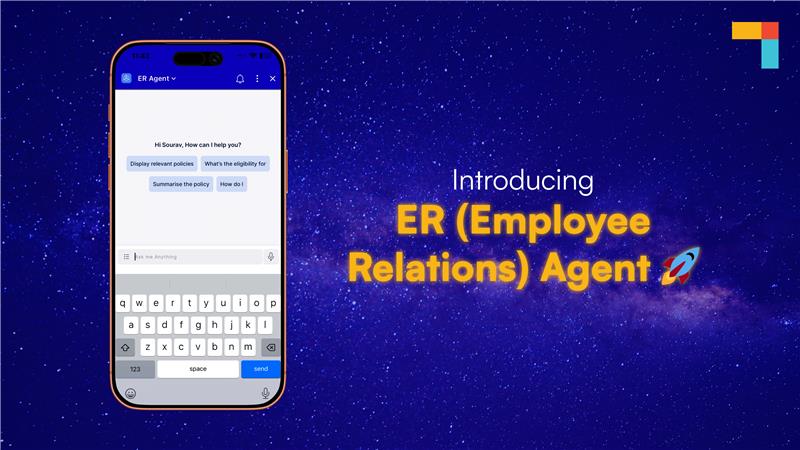
Employee relations supports positive workplace relationships by addressing employee concerns, resolving conflicts, and promoting fair workplace practices. Effective employee relations contribute to higher engagement levels and stronger workplace cultures.
HR Research
HR research enables organisations to make data-driven workforce decisions. By analysing employee feedback, workforce trends, and organisational metrics, HR leaders can identify opportunities to improve recruitment, retention, employee engagement, and workforce performance.
According to Deloitte’s Global Human Capital Trends research, organisations continue to increase investment in workforce analytics to improve talent decisions and business outcomes.
Personnel Records
Personnel record management ensures employee information, contracts, payroll records, compliance documents, and workforce data are maintained accurately and securely while supporting regulatory compliance requirements.
Advisory Functions
HR teams increasingly serve as strategic advisors to leadership teams across the organisation.
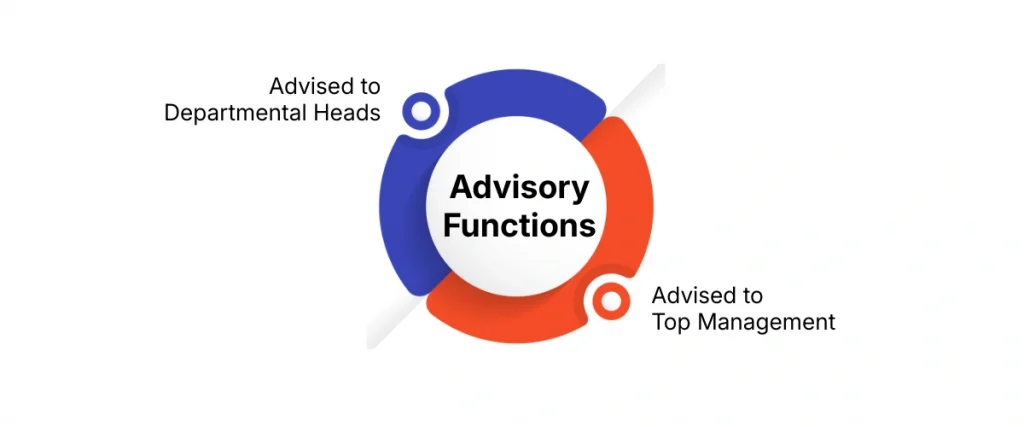
Advised to Top Management
HR leaders provide workforce insights related to talent availability, workforce planning, labour market trends, succession planning, and organisational development. These insights support strategic business decisions and long-term workforce planning.
Advised to Departmental Heads
HR professionals work closely with business leaders to address workforce challenges, improve team performance, support talent development, and strengthen employee engagement initiatives.
Importance of HRM Functions
The importance of HRM functions extends beyond workforce administration. Effective HR practices help organisations improve productivity, strengthen employee engagement, support compliance, and align workforce capabilities with business objectives.
According to Gallup workplace research, highly engaged teams achieve stronger business outcomes and productivity compared to less engaged teams, reinforcing the importance of effective people management.
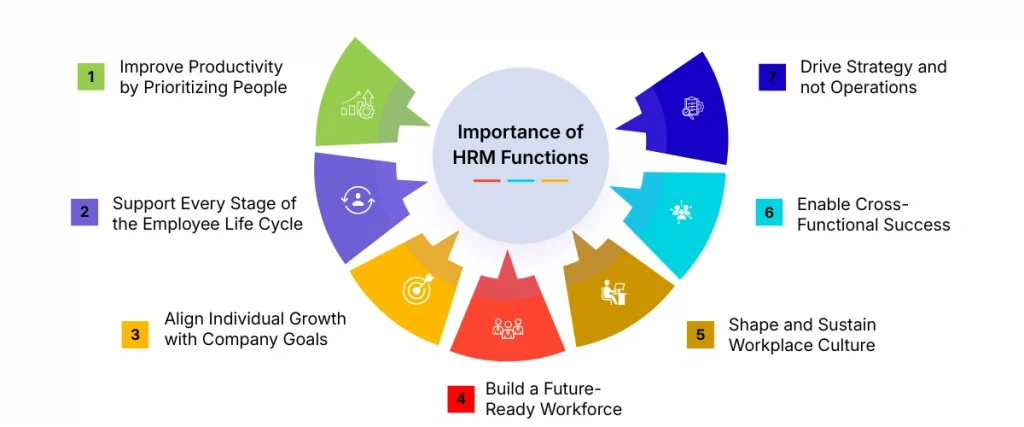
- Improve productivity by prioritizing people: Clear workforce processes and role clarity help employees focus on high-value work.
- Support every stage of the employee life cycle: Structured HR processes support employees throughout their lifecycle within the organisation.
- Align individual growth with company goals: HR helps translate business priorities into workforce strategies and employee objectives.
- Build a future-ready workforce: Learning and development initiatives help organisations build future-ready skills.
- Shape and sustain workplace culture: HR policies, leadership practices, and recognition programmes influence organisational culture.
- Enable cross-functional success: Well-defined workforce processes support collaboration across departments.
- Drive strategy and not operations: Automation enables HR teams to focus on talent strategy, workforce planning, and organisational development.
Streamline Your HRM Functions with PeopleStrong
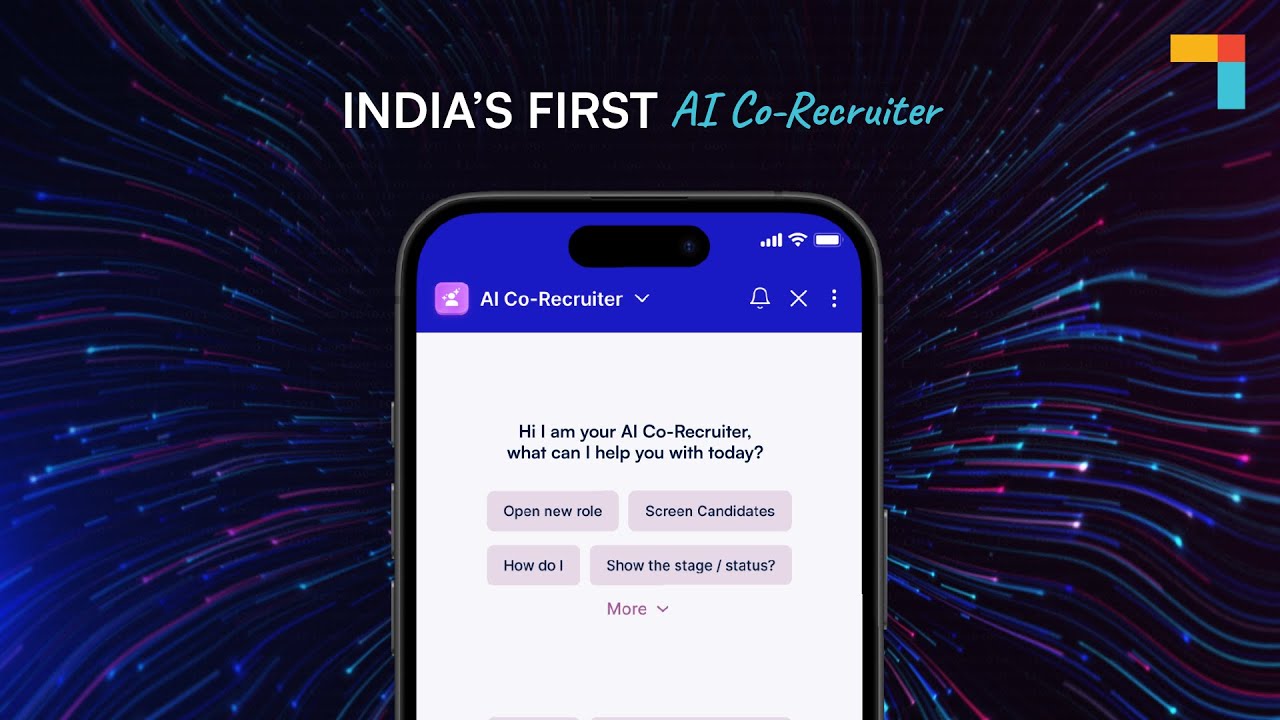
Managing workforce processes across multiple systems can create administrative complexity and limit visibility. PeopleStrong’s Talent Acquisition suite helps organisations streamline hiring and workforce management processes through:
- Pre-employment assessments
- One-way video interviews
- Smart web proctoring
- Enhanced candidate experiences
- Automated workforce analytics
- Multi-country scalability
- Collaborative hiring workflows
These capabilities help organisations improve hiring efficiency, strengthen candidate experiences, and support workforce growth.
How HRM Functions are Evolving
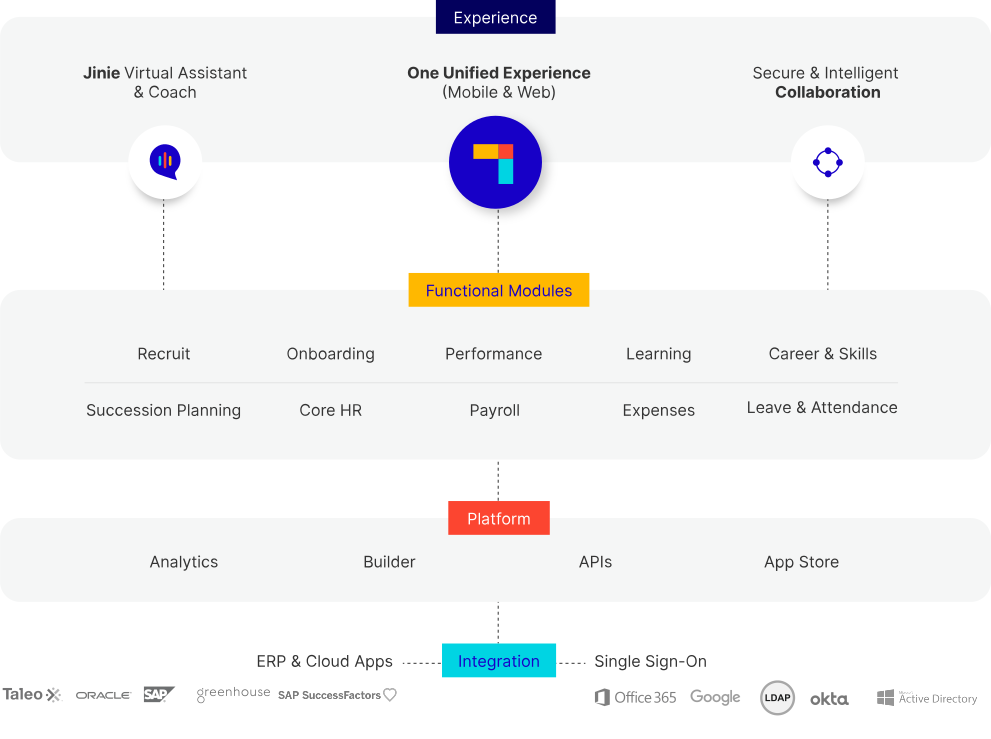
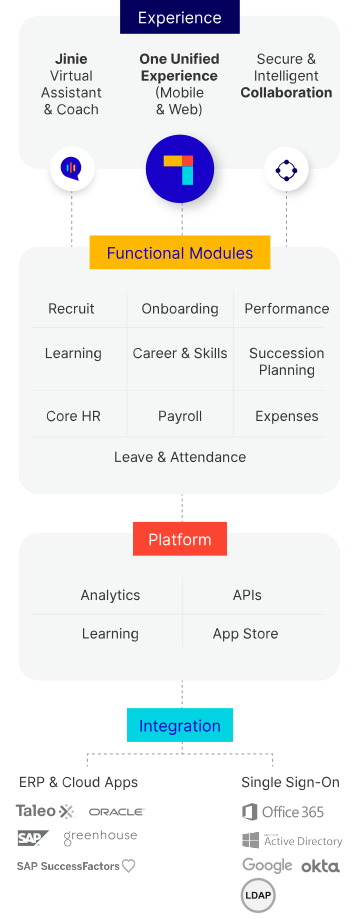
HR functions are becoming increasingly technology-enabled and data-driven. Modern organisations are moving away from fragmented systems and manual processes towards integrated HR platforms that connect recruitment, workforce management, payroll, learning, performance, and employee experience.
According to PwC’s Global CEO Survey, business leaders continue to prioritise workforce transformation, technology adoption, and skills development as key drivers of future growth.
This evolution enables HR teams to spend less time on administrative tasks and more time supporting workforce strategy, employee development, and organisational transformation.
Conclusion
The functions of Human Resource Management extend far beyond administrative responsibilities. From workforce planning and recruitment to employee development, performance management, and strategic workforce planning, HR plays a critical role in supporting organisational success.
As workforce expectations continue to evolve, organisations increasingly require integrated HR solutions that improve efficiency, strengthen compliance, and provide greater visibility into workforce performance. By bringing managerial, operative, and advisory functions together within a unified platform, organisations can build a more agile, productive, and future-ready workforce.
Frequently Asked Questions
How does HRM impact employee development?
HRM supports employee development through learning programmes, career development initiatives, performance management, mentorship opportunities, and succession planning activities that help employees build new skills and prepare for future roles.
What are compensation and benefits in HRM?
Compensation and benefits include salaries, incentives, bonuses, healthcare programmes, retirement benefits, wellbeing initiatives, and other rewards designed to attract, retain, and engage employees.
What Are the Key Skills Required in HRM?
Modern HR professionals require a combination of business acumen, workforce analytics, communication skills, compliance knowledge, employee relations expertise, and talent management capabilities.
Why use a human resource management system (HRMS)?
An HRMS centralises workforce information, automates routine processes, improves data accuracy, and provides greater visibility into workforce operations, helping organisations improve efficiency and decision-making.
What are the responsibilities of human resource management?
HRM responsibilities include workforce planning, recruitment, employee relations, performance management, learning and development, compensation and benefits administration, compliance management, and succession planning.