










 About Us
 Brand
Brand
 Career
 Contact Us



 +91-7314623098



The function of HR has radically shifted. It can’t just be about filling out forms, handling payroll, or acting as the company’s gatekeeper any more. Now, HR professionals are being asked to serve as strategic business growth partners. To do that well, they need tools that replace manual work, endless emails, and scattered spreadsheets with a more efficient way to manage a growing team.
That’s where modern HR solutions come into the picture. They are no longer a luxury; they are a basic necessity for managing your team efficiently. This guide discusses the fundamental human resources software you can use to eliminate paperwork, focus on your employees, and make decisions based on actual data rather than purely on intuition.

What Are HR Tools?
Simply put, HR tools are software applications and digital platforms built to handle the daily grind of managing people. They cover everything throughout an employee’s time with your company, from the moment they spot a job opening to their daily clock-ins, performance reviews, and eventual exit.
Rather than your workforce data being spread across three laptops, scattered emails, and an old filing cabinet, you can organise it into one digital space using these systems. This helps you track workforce data, comply with employment laws, and provide your employees with a good working environment.
Benefits of HR Tools
Once you stop using spreadsheets and start using the right human resource tools, the changes you will witness will be quite significant:
- Hours of Saved Time: Automating monotonous tasks, such as reminding managers about holiday approvals or sorting through piles of CVs, will free you up to do strategic work and have meaningful discussions with people.
- Fewer Costly Mistakes: Entering data manually across many systems leads to payroll errors, incorrect leave balances, or missed compliance deadlines. Software does it automatically and flawlessly.
- A Better Employee Experience: These days, employees expect everything to work the same way as the apps on their phones do. With good software, they can request a day off, view their payslip, or check their goals right away, without waiting for HR’s response via email.
- Clearer Insights into Your Team: Consolidating all data helps you identify patterns. It becomes easy to understand why people are leaving a particular team, where you are lacking in skills, or how your recruiting budget is being spent.
- Stress-Free Compliance: Built-in alerts help prevent your company from legal risks by monitoring mandatory training, visa expiration dates, and local labour laws.
What to Look for in HR Tools
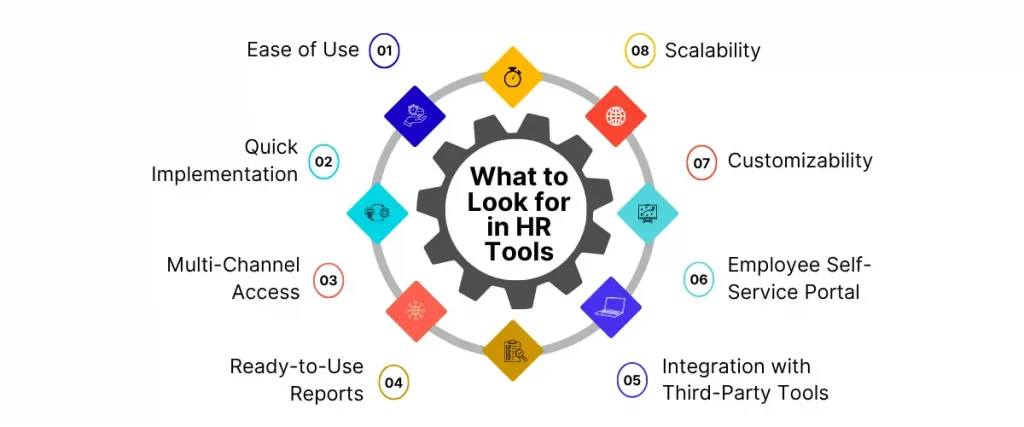
Not every piece of software on the market will suit your business. When shopping for the best HR tools, look out for these practical features:
Ease of Use
If a tool is confusing or frustrating, people simply won’t use it. It needs to be clean and simple, requiring minimal training for both your HR team and the wider staff.
Quick Implementation
You don’t want a project that takes a year to roll out. Look for platforms that offer clear migration plans, good customer support, and a fast path to getting up and running without disrupting daily business.
Multi-Channel Access
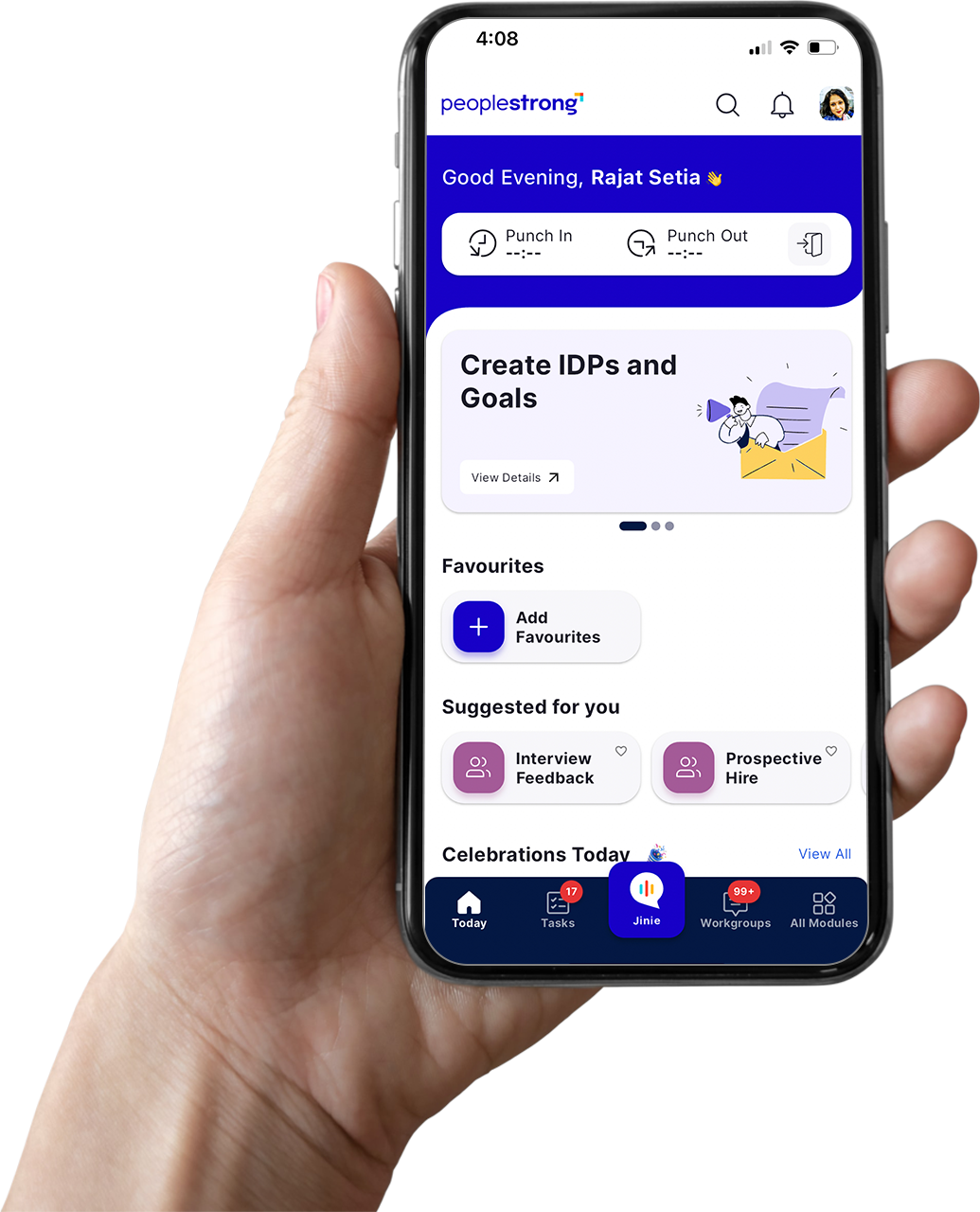
With hybrid working, deskless roles, and field teams, your software needs to travel. A solid mobile app ensures that people can request leave or check a policy, whether they are at a desk, at home, or on the move.
Ready-to-Use Reports
You shouldn’t need a degree in data science to build a basic chart. Good systems come with pre-built dashboards that give you quick answers on headcount, turnover, and attendance at the click of a button.
Integration with Third-Party Tools
Your new tool must play nicely with what you already use. It should easily integrate with your company’s communication channels (such as Slack or Teams), accounting software, and email systems.
Employee Self-Service Portal
Save your inbox from basic questions. A self-service portal lets employees log in independently to update their bank details, check their remaining holiday balance, or download historical payslips.
Customisability
Every company has its own culture and way of doing things. The software should adapt to your workflows, approval hierarchies, and review styles without requiring expensive custom coding.
Scalability
Your software purchases should match your firm’s future requirements. Ensure the system has the capacity to accommodate additional employees, additional offices, or international entities.
Why Modern Businesses Need HR Tools
Manually managing employees has become a liability for modern companies. The rising demand for hybrid working, the international pool of candidates, and ever-changing regulations are putting pressure on companies to adopt automation and use HR tools to stay efficient.
Without automation, you are always running behind. You miss out on the best talent due to slow recruiting processes, do not realise that there is employee burnout until your team quits, and end up spending all day on administrative tasks instead of helping your managers. HR tools provide the solid base necessary to run an efficient organisation.
Top HR Tools
To build a reliable HR tech setup, it helps to understand what each tool actually does. The following is a breakdown of the core categories:
Applicant tracking system (ATS)
This handles your hiring from start to finish, from the moment you post a vacancy to the final job offer.
- Key Features: One-click job postings, automated CV screening, interview scheduling, and a clear pipeline showing where every candidate stands.
- Benefits of Using: Reduces the time it takes to fill a role, keeps candidates informed, and prevents good CVs from slipping through the cracks.
Leave Management Tools
Takes the headache out of tracking holidays, sick days, and parental leave.
- Key Features: Automated holiday balance calculators, simple manager approval tracks, and shared team calendars.
- Benefits of Using: Stops messy email chains, prevents teams from being short-staffed during peak holiday seasons, and sends clean data straight to payroll.
Attendance Management Tools
Track working hours, shifts, and punctuality without paper timesheets.
- Key Features: Digital clock-ins, geofencing for remote or field staff, and live roster planning.
- Benefits of Using: Reduces timesheet errors, helps manage overtime costs, and provides an honest view of attendance trends.
Workforce Planning Tools
Helps you plan ahead to ensure your staffing levels align with your long-term business goals.
- Key Features: Skill gap analysis, headcount forecasting, and retirement or exit risk modelling.
- Benefits of Using: Prevents sudden talent shortages and helps you build internal training or hiring plans well in advance.
Employee Onboarding Tools
Makes the first few weeks for a new hire feel welcoming, organised, and professional.
- Key Features: Digital contract signing, automated task lists for IT and managers, and instant access to company handbooks.
- Benefits of Using: Helps new starters hit the ground running faster and leaves a great first impression, which boosts long-term retention.
Employee Survey & Feedback Tools
Gives you an honest pulse check on how your team is actually feeling.
- Key Features: Anonymous pulse surveys, regular eNPS tracking, and feedback collection.
- Benefits of Using: Surfaces workplace frustrations before they lead to resignations and provides introverted employees with a comfortable way to share ideas.
Performance Management Tools
Moves away from stressful, once-a-year appraisals and replaces them with regular, constructive feedback.
- Key Features: 360-degree feedback, regular manager 1-on-1 templates, and transparent goal tracking.
- Benefits of Using: Keeps everyone aligned on what success looks like, fairly highlights top performers, and provides clear support to struggling staff.
HR Analytics Tools
Brings all your scattered data together to show you the bigger picture of your company’s health.
- Key Features: Live executive dashboards, turnover predictions, and labour cost overviews.
- Benefits of Using: Gives you clear, data-backed evidence when you need to pitch an idea or a budget increase to upper management.
OKR (Objectives and Key Results) Tools
Keeps the entire company pulling in the same direction by connecting big company targets with daily work.
- Key Features: Shared goal tracking, progress updates, and visible team milestones.
- Benefits of Using: Stops different teams from accidentally repeating the same work and helps everyone see how their daily tasks impact the business.
Employee Engagement Tools
Focuses on the cultural side of work, helping teams stay connected, motivated, and appreciated.
- Key Features: Peer-to-peer shoutouts, work anniversary reminders, and casual recognition feeds.
- Benefits of Using: Boosts morale, especially for hybrid and remote teams who don’t see each other in person daily.
Learning and Development Tools
Handles all your internal training, professional development, and upskilling courses.
- Key Features: Personalised training paths, central course libraries, and certification tracking.
- Benefits of Using: Fills internal skill gaps, helps people grow their careers internally, and ensures mandatory safety qualifications never expire.
Compliance Management Tools
Protects your business from fines, legal issues, and operational mistakes.
- Key Features: Right-to-work audits, mandatory policy sign-offs, and highly secure document storage.
- Benefits of Using: Takes the stress out of external legal audits and ensures your business is always on the right side of employment law.
Work Smarter with the Right HR Tools
Using ten different standalone tools often creates a new problem: your data becomes siloed, and you spend all day copying information from one system to another. The real magic happens when you bring everything under one roof.
By connecting your core HR workflows, data flows naturally. When a candidate accepts an offer, their profile is instantly created in the employee portal. Their performance achievements can automatically trigger compensation adjustments, and your reporting dashboards update in real time. This keeps things running smoothly behind the scenes, leaving your HR team free to focus on actual human interactions.
Conclusion
At the end of the day, investing in the technology stack for your HR function is not merely about reducing admin. It is about creating an adaptive organisation that people enjoy working in. By selecting solutions that are intuitive, scalable, and interconnected, you will save your team time and effort.
The right platform eliminates the guesswork from all of the people operations. It enables HR specialists to get out of the vicious circle of paperwork and become real strategic advisors.
Frequently Asked Questions
Do I need to know how to use all these tools before applying for an HR role?
No. You don’t need advanced knowledge of all these tools. It is much more important to understand the basics and the reasoning behind having an ATS or an HRMS for an organisation. The modern solutions are extremely intuitive, and you will receive on-the-job training from your new employer.
How do I decide which tools to buy first?
Pinpoint the areas where you are losing efficiency. If you have recruiters drowning in CVs and unable to track candidate information, you need to invest in an ATS. If you constantly have to email individuals to check their holiday time and missing timesheets, perhaps a portal solution would suit you well.
How do HR tools actually make employees more productive?
They eliminate small daily frustrations for employees. Your staff members don’t have to send three emails to book time off or change their addresses; they can do so themselves in seconds. In addition, effective training and goal-setting tools ensure that everyone knows their duties and priorities.
What is the difference between a standalone HR tool and an HRMS?
An HR tool is usually a specific piece of software designed to solve a single issue, such as an anonymous survey tool. An Human Resource Management System (HRMS) is a comprehensive platform that integrates all these features into a single system.
Can these systems connect with our current business software?
Yes, all modern HR systems are designed to integrate easily. They will connect to common software that you use, such as your email service, your company’s accounting system, and even your internal communication platform like Slack or Microsoft Teams.
Why are HR tools so critical for businesses today?
They provide you with all the efficiency and accuracy required to run a modern workforce. They help you avoid costly errors related to payroll and legal requirements. They keep your organisation compliant with any changing laws.