












 About Us
 Brand
Brand
 Career
 Contact Us



 +91-7314623098







Imagine witnessing your star performer burn out like a match. They used to be full of energy, taking initiative, and thriving under pressure. But now, they stare blankly at their screens, their inboxes overflow, and they lack motivation. Every meeting feels like a chore, and deadlines are looming close.
It would be a crucial mistake to think that this is just a phase. After all, burnout is the complete emotional and physical breakdown resulting from chronic workplace pressure. It is a buildup of unrealistic expectations, a lack of control, and a culture that glorifies working to the bone.
The good news is that burnout is preventable and reversible. You just have to stay committed to rekindling your passion. Let’s look at the what, why, and how!
What is Employee Burnout?
According to the WHO, burnout is an occupational phenomenon characterized by physical, emotional, and mental exhaustion caused by workplace conditions. These conditions could include ongoing stress, a lack of support, and a feeling of not being valued.
Employee burnout is unlike temporary fatigue or frustration. The feelings of overwhelm, demotivation, and disengagement are quite persistent. Burnout hampers employee performance and even causes long-term health issues.
Why Employee Burnout Matters for Businesses?
Employee burnout rarely surfaces as a single, identifiable event. It develops gradually, often beginning with minor signs such as reduced engagement, extended working hours, or a decline in the quality of output, before eventually manifesting as absenteeism or attrition. By the time it becomes visible in performance metrics, the underlying strain has typically been present for an extended period.
The business impact of burnout is significant and measurable. Employees experiencing burnout are more prone to errors, disengagement, and extended absences, and are considerably more likely to leave the organisation. This creates a compounding effect within teams: as one employee’s output declines, the additional workload frequently shifts to colleagues, increasing the likelihood of burnout spreading across the team. When combined with the cost of recruitment, onboarding, and lost institutional knowledge, employee burnout becomes a direct financial concern rather than a purely cultural one. For leadership, addressing burnout is not simply an employee wellness initiative. It is a matter of protecting productivity, retention, and long-term organisational performance.
What are the Common Causes of Employee Burnout?
We’ve seen how employee burnout could stem from various factors contributing to a high-stress work environment. Some of the key causes of employee burnout include:
- Excessive workload: Employees who constantly juggle multiple tasks without sufficient resources and adequate time to recover would be under constant stress. The accumulation of stress could turn into burnout.
- Feeling undervalued: Lack of recognition or appreciation for hard work can leave an employee feeling unmotivated. It can also make them feel invisible or stuck, which can lead to frustration and burnout.
- Micromanagement: In some work environments, employees lack autonomy in decision-making or planning their workload. This makes them feel powerless, leading to disengagement and burnout.
- Insufficient remuneration: When employees feel like they’re underpaid, it adds to their financial stress. It also decreases their motivation to work.
- No career growth: Apart from the monetary aspect, a career without professional development opportunities will make your high-potential employees feel unappreciated and stagnant. This will reduce their job satisfaction levels and culminate in churn.
- Unclear job expectations: Employees who are unsure of their roles and responsibilities are set up for failure. All their effort will amount to no work, and the conflicting instructions will add to their stress and anxiety.
- Poor work-life balance: When employees struggle to balance work responsibilities with personal obligations, they are bound to feel exhausted. When this becomes a chronic issue, it causes burnout.
- Toxic workplace culture: A workplace culture that relies on employees working long hours without fair overtime, poor work-life balance, micromanagement, and opaque operations can lead to employee burnout.
Typical Employee Burnout Signs and Symptoms
Employee burnout is a symptom of a larger underlying problem—such as poor work culture. That said, it manifests in different forms and affects even your high-performing employees both physically and mentally. Here are some common employee burnout signs:
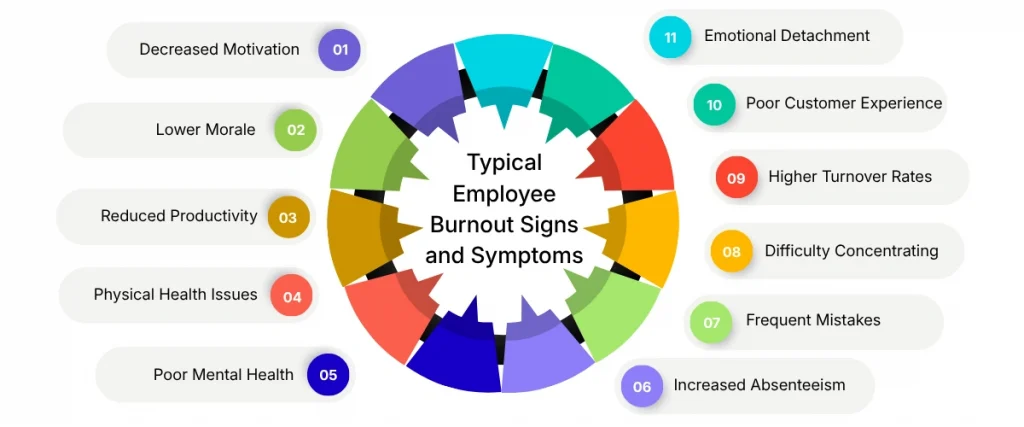
1. Decreased Motivation
Employees who once displayed enthusiasm toward work will now appear disengaged and uninterested. Simple tasks will feel like a burden, and they will deliver the bare minimum to get by.
2. Lower Morale
A burned-out employee will display signs of lower morale. They’ll come off as withdrawn, frustrated, or indifferent. You’ll notice a dip in their participation in team discussions and withdrawal from social interactions.
3. Reduced Productivity
The decrease in motivation and morale will cause the burned-out employee to procrastinate. As they struggle to meet deadlines, they will either deliver poor quality work or delay further. This drop in productivity triggers a vicious and endless cycle.
4. Physical Health Issues
Chronic stress is one of the leading signs of employee burnout. These episodes can also manifest as physical illness, including headaches, muscle tension, body aches, high blood pressure, weakened immunity, insomnia, and even digestive distress.
5. Poor Mental Health
Any form of physical ailment brings mental distress with it. Even if someone doesn’t display the overt physical symptoms, burned-out employees would feel impatient, irritable, and even prone to emotional outbursts. Prolonged emotional stress stokes mental health and related issues like insomnia, depression, and anxiety.
6. Increased Absenteeism
Burned-out employees often call in sick at work or take unplanned leaves to take a break from the work environment. Some may not take formal leave but will “quietly quit” or mentally disengage. This puts additional stress on the team members to pick up each others’ slack, breeding resentment and spreading employee burnout.
7. Frequent Mistakes
The mental fatigue that accompanies burnout causes a decline in cognitive function. This makes employees more prone to making mistakes. While one can turn a blind eye to minor mistakes, some errors can quickly turn costly to the organization.
8. Difficulty Concentrating
Apart from impairing cognitive function, burnout hampers the employees’ abilities to focus, recall, and solve problems. They’ll catch themselves re-reading emails, spacing out during meetings, or forgetting critical tasks.
9. Higher Turnover Rates
When burnout is due to a toxic work environment, stagnated career, or unfair remuneration, your employees will be 2.6 times more likely to seek out other opportunities. Considering that employee burnout is also infectious in some ways, entire teams may start quitting due to burnout.
10. Poor Customer Experience
Employees in customer-facing roles tend to lash out or lose patience with customers when struggling with burnout. They may even compromise service delivery which soils the customer experience and damages brand reputation.
11. Emotional Detachment
Burned-out employees may develop a pessimistic outlook or become entirely numb to their work. They may no longer participate in meaningful conversations, avoid responsibility, or complain about leadership. Such negativity can easily spread to others and make the work environment inhabitable.
Actionable Steps for Preventing Employee Burnout
Preventing employee burnout is generally more effective and less costly than addressing it after it has taken hold. The following measures form a practical starting point for reducing employee burnout at both the individual and team level.
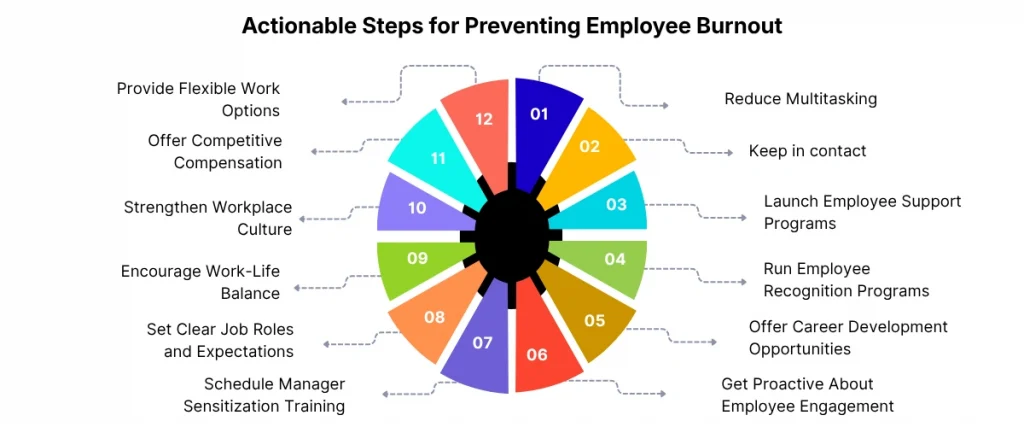
1. Reduce Multitasking
Frequent context switching places a substantial cognitive load on employees, often more than the volume of work itself. Constantly shifting between meetings, communication channels, and unrelated tasks reduces focus and accelerates fatigue. Organisations can support employees by protecting time for focused work, limiting non-essential meetings, and setting realistic expectations around the number of concurrent priorities assigned to any one individual. Leadership can reinforce this by modelling appropriate boundaries rather than expecting constant availability.
2. Keep in Contact
Consistent, meaningful check-ins allow managers to identify signs of strain before they escalate. This does not require additional formal meetings. It requires managers to engage genuinely during existing one-on-ones, rather than treating them as a routine status update. A brief, candid conversation regularly can surface workload concerns or personal stressors well before they affect performance or lead to resignation.
3. Launch Employee Support Programs
Extending employee support is one of the quickest ways to undo burnout. The goal is to ensure that everyone has access to the help they need. Whether it is HR assistance, access to mental health resources, helpful performance reviews, or workload adjustments—the employee should feel empowered to make key decisions.
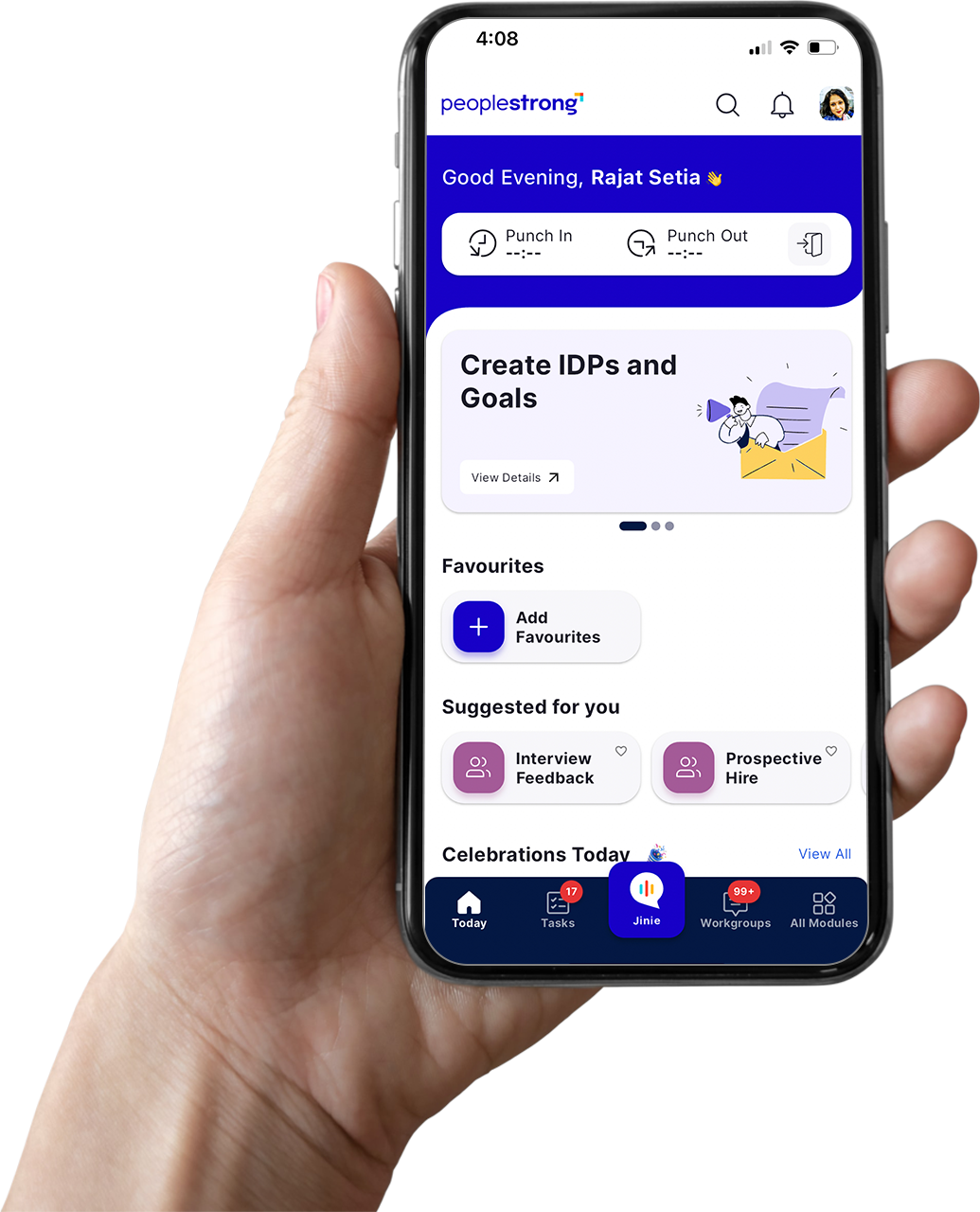
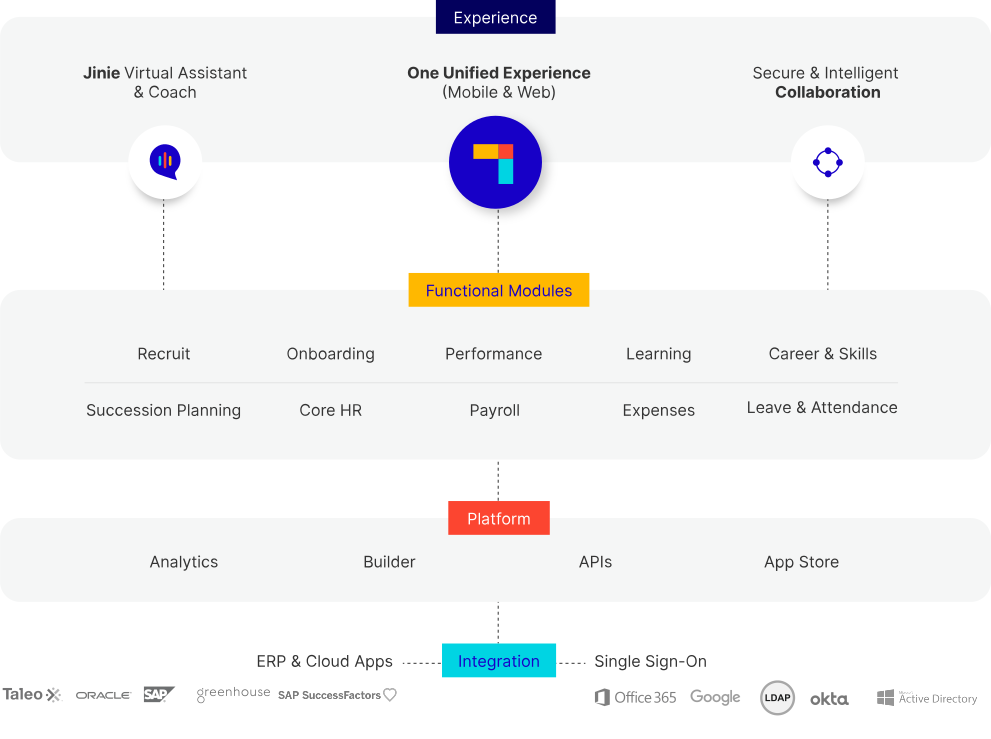
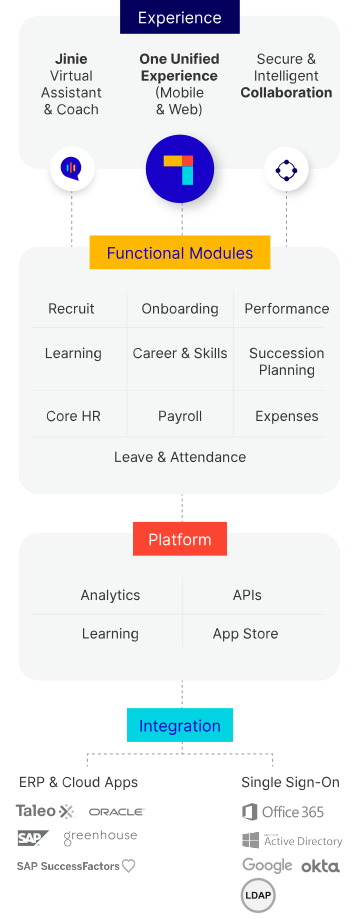
For this reason, platforms like PeopleStrong are popular among employee-centric organizations. PeopleStrong offers AI-powered HR solutions that enrich the employee experience.
The personalized support offered through Employee Assistance Programs (EAPs), mentorship, and counseling services helps employees fight workplace challenges before they become burnout.
4. Run Employee Recognition Programs
Around 80% of employees work harder when they are appreciated and are 18 times more likely to work harder.
Feeling seen, heard, and valued are the pillars of employee motivation and job satisfaction. Employers should implement unbiased and structured recognition programs to recognize employees for their outstanding contributions.
You can reward employees through monthly awards, bonuses, public shout-outs, or personalized thank-you notes from the leadership. Such tokens of appreciation cultivate a feeling of belongingness while making the employees feel like they matter. It’s a great way to energize the workforce and motivate them.
5. Offer Career Development Opportunities
Since stagnation could lead to employee burnout, employers should consider offering career development opportunities. This calls for companies to invest in upskilling programs, online courses, mentorship, and professional development workshops to support employees’ professional aspirations.
Think of it as investing in your human resources and building assets for your company’s future. This approach improves job satisfaction, encourages loyalty, and allows you to retain talent.
6. Get Proactive About Employee Engagement

Disengagement leads to burnout. As such, employers should have re-engagement strategies to prevent burnout from taking root.
There are several ways to do this: town hall meetings, interactive team activities, burnout training for employees, periodic check-ins, employee recognition programs (as discussed above), and surveys. To streamline participation and boost response rates, consider using tools like The QR Code Generator (TQRCG) to provide easy access to event signups, feedback forms, or wellness resources via scannable codes. Your employees’ input will help you identify common pain points and obstacles, enabling you to tackle them before they escalate.
7. Schedule Manager Sensitization Training
While burnout training for employees and offering access to useful resources takes care of the employees’ end of the deal, you must cement it further by training your managers, too. After all, managers play a crucial role in preventing employee burnout.
The only problem is that they may lack training in emotional intelligence and team well-being to spot signs of employee burnout. Training in empathy, open and transparent communication, and workload management empowers managers to intervene early and support their teams.
8. Set Clear Job Roles and Expectations
Around 22% of conflicts arise from unclear goals and expectations. Poorly communicated expectations and constantly changing priorities cause employees stress and frustration.
To combat this, employers should clearly define job roles, set SMART (Specific, Measurable, Achievable, Relevant, and Time-bound) goals, and ensure that workloads are distributed fairly.
Doing this bit prevents the employees from feeling overwhelmed as they manage their responsibilities and deliver to realistic expectations.
9. Encourage Work-Life Balance
A culture that glorifies overwork is detrimental to employee well-being. An employee-friendly work environment involves promoting work-life balance.
This could mean encouraging employees to use up their vacation days, offering mental health days or wellness retreats, implementing flexible work arrangements, focusing on OKRs, and respecting personal boundaries.
Such measures profoundly impact an employee’s ability to maintain a healthy work-life balance and lead a fulfilling life.
10. Strengthen Workplace Culture

A supportive and inclusive work culture improves mental health, reduces stress, and promotes collaboration. Employers should build an environment where employees feel safe to voice their concerns, manage their time, ask for help, and raise issues related to their well-being.
Further, the workplace culture also encompasses the physical aspect of the work environment. This means providing a safe and comfortable place for your employees to do their job. Adequate lighting, ergonomic spaces, and a positive work environment mitigate the
11. Offer Competitive Compensation
Fair and competitive compensation alleviates any financial stress employees may feel while performing their jobs. In addition, the feeling of being adequately rewarded for the work done instills confidence in the employer.
As a result, your employees would be more focused and motivated to deliver their best. Pair competitive salaries with performance-based incentives to demonstrate that you care about your employees. This also plays a pivotal role in retaining top talent and driving employee engagement.
12. Provide Flexible Work Options
Offering flexible work arrangements, such as remote work, hybrid schedules, or flexible hours, are some of the easiest strategies to promote a healthy work-life balance. Your employees will feel more in control and less overwhelmed.
Such autonomy builds trust and displays respect for employees’ time. As a result, it is no surprise that it also plays a critical role in driving employee engagement and preventing employee burnout. Flexible work arrangements also uncover creativity and innovation as employees self-manage their schedules and workloads.
Employee Burnout Solutions for HR and Managers
Individual habits contribute to preventing team burnout, but sustainable change typically requires structural support from HR and senior leadership.
Create a Burnout Prevention Strategy
A formal strategy translates intent into consistent organisational practice. This includes defining reasonable workload expectations by role, establishing clear guidelines around after-hours availability, and building sufficient flexibility into work arrangements so employees can manage professional and personal responsibilities without persistent strain. The strategy does not need to be elaborate. It needs to be clearly documented, communicated across the organisation, and consistently upheld by leadership.
Encourage Regular Feedback
Employees are frequently the first to recognise early indicators of burnout within their teams. Providing accessible, low-friction channels for raising workload or wellbeing concerns, whether through anonymous surveys, structured forums, or direct conversations with managers, allows issues to surface while they remain manageable. It is equally important that feedback visibly informs action. When employees see no response to input they provide, engagement with the process declines.
Monitor Employee Well-being
Pulse surveys, engagement scores, and attendance trends can provide meaningful early indicators when reviewed consistently. A noticeable increase in absences, reduced participation, or a shift in an employee’s typical engagement level are all worth further attention. No single indicator confirms burnout in isolation, but together they enable HR to identify risk earlier, rather than after resignation.
Use HR Technology to Spot Burnout
Modern HR platforms can identify patterns across a large workforce that would be difficult to track manually, including overtime trends, unused leave balances, and declining engagement scores over time. This visibility does not replace managerial judgment, but it does direct attention toward the teams and individuals most likely to require timely intervention, supporting a more proactive approach to preventing employee burnout.
Improve Policies Based on Feedback
Static policies tend to lose relevance as organisations grow and work patterns evolve. Practices suited to a smaller team may not scale effectively, and expectations formed before hybrid work became standard may require reassessment. Regularly reviewing leave policies, workload standards, and flexibility provisions, and adjusting them based on employee feedback, ensures burnout prevention remains an ongoing organisational priority rather than a one-time initiative.
Conclusion
Employee burnout isn’t just workplace fatigue—it is a serious problem that can disrupt your organization’s seamless operation. Typically, employee burnout results from a bigger problem, such as chronic stress, overwhelming workloads, lack of recognition, and poor work-life balance.
When left unchecked, it can quickly escalate into bigger problems, such as reduced productivity, employee disengagement, frequent mistakes, and high turnover rates. These by-products make the problem even more serious.
We’ve discussed several strategies for preventing employee burnout. However, the first step is to invest in the right tools to address the specific causes of burnout.
PeopleStrong offers cutting-edge HR solutions to build a supportive and thriving work environment. Whether managing workloads or extending employee support, PeopleStrong can intervene at the right moment to prevent burnout in various ways.
Speak to an expert to know more about how PeopleStrong helps!
Frequently Asked Questions
How can organisations reduce employee burnout?
Organisations can reduce employee burnout by maintaining realistic workload expectations, encouraging employees to use their allotted leave, equipping managers with the training to recognise early warning signs, and fostering a culture in which raising concerns is treated as constructive rather than a liability. Consistent, structural changes tend to be more effective than isolated wellness initiatives.
What should you do if burnout is affecting an employee or team?
The appropriate first step is a direct, private conversation to understand the underlying cause, whether related to workload, unclear expectations, or personal circumstances. From there, organisations should consider practical adjustments such as redistributing responsibilities, allowing recovery time, or revising deadlines. When burnout affects an entire team, it is important to assess whether the cause is structural, such as sustained understaffing or unrealistic targets, rather than addressing it purely as an individual performance issue.
Why is mental health support important in preventing employee burnout?
Burnout is, at its core, a form of mental and emotional strain, so addressing it without mental health support treats only the surface issue. Access to counseling services, employee assistance programs, and a workplace culture that treats discussions of stress and wellbeing as normal gives employees a constructive outlet before difficulties escalate further.
How should HR manage employee burnout?
HR should treat burnout management as an ongoing organisational responsibility rather than a reactive measure. This involves embedding prevention into policy, training managers to identify early indicators, establishing structured feedback channels, and using available workforce data to intervene before issues result in prolonged absence or attrition.
Can employee burnout have long-term effects on a business or team?
Yes. Left unaddressed, burnout tends to spread across teams, increase attrition, and gradually erode the quality of work, even among employees who remain with the organisation. Over time, this contributes to weaker employer branding, higher recruitment costs, and a workplace culture that becomes increasingly difficult to restore.
How can HR technology help prevent team burnout?
HR technology can surface early warning indicators that are difficult to track manually, such as unused leave balances, rising overtime, or declining engagement scores across a team. This gives HR earlier and more accurate visibility into where burnout risk is building, enabling managers to intervene with appropriate support before the issue results in turnover.
What are the best employee burnout solutions for HR teams?
The most effective employee burnout solutions combine several elements: realistic workload planning, consistent and genuine manager check-ins, feedback that visibly shapes policy, and technology that helps identify risk patterns early. No single measure resolves burnout on its own. Sustained attention across all of these areas is required to produce a meaningful and lasting impact.