











 About Us
 Brand
 Career
 Contact Us



 +91-7314623098


Quick overview:
HRMS software prices in India in 2026 vary based on features, employee count, and vendor. Basic plans may start at ₹48 to ₹250 per employee per month, while advanced modules with performance management, recruitment, and attendance can cost more.
Key takeaways
- Common HRMS software pricing models in India include per employee per month, band-based, tier-based, and custom enterprise pricing.
- Additional costs may include setup costs, data migration, custom integrations, add-on modules, GST, and premium support.
- Before choosing an HRMS, analyze your HR needs and headcount, and request a detailed quote where everything is laid out clearly.
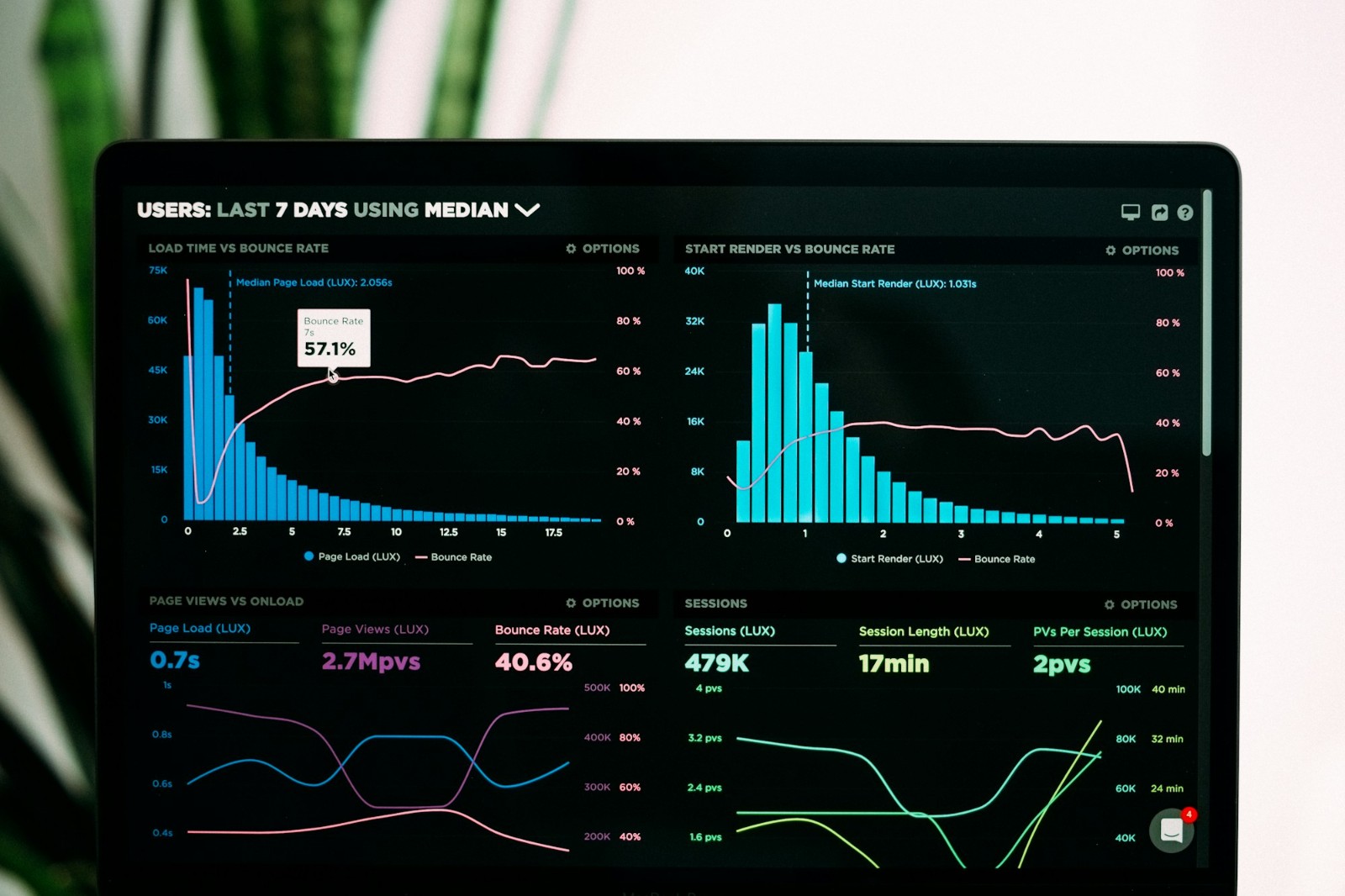
In 2025, the Indian HRMS market reached 1.3 billion USD. It is expected to grow at 14.45% between 2026 and 2034. There are several reasons why companies of all sizes are adopting HRMS software at breakneck pace, such as the need for AI-driven HR analytics, compliance automation, payroll automation, talent management, and more.
In this article, we’ll discuss factors that affect HRMS software price in India in 2026 and what a typical range looks like. Read on to find out!
Common Pricing Models of HRMS Software
Below are the most commonly offered pricing models for HRMS software:
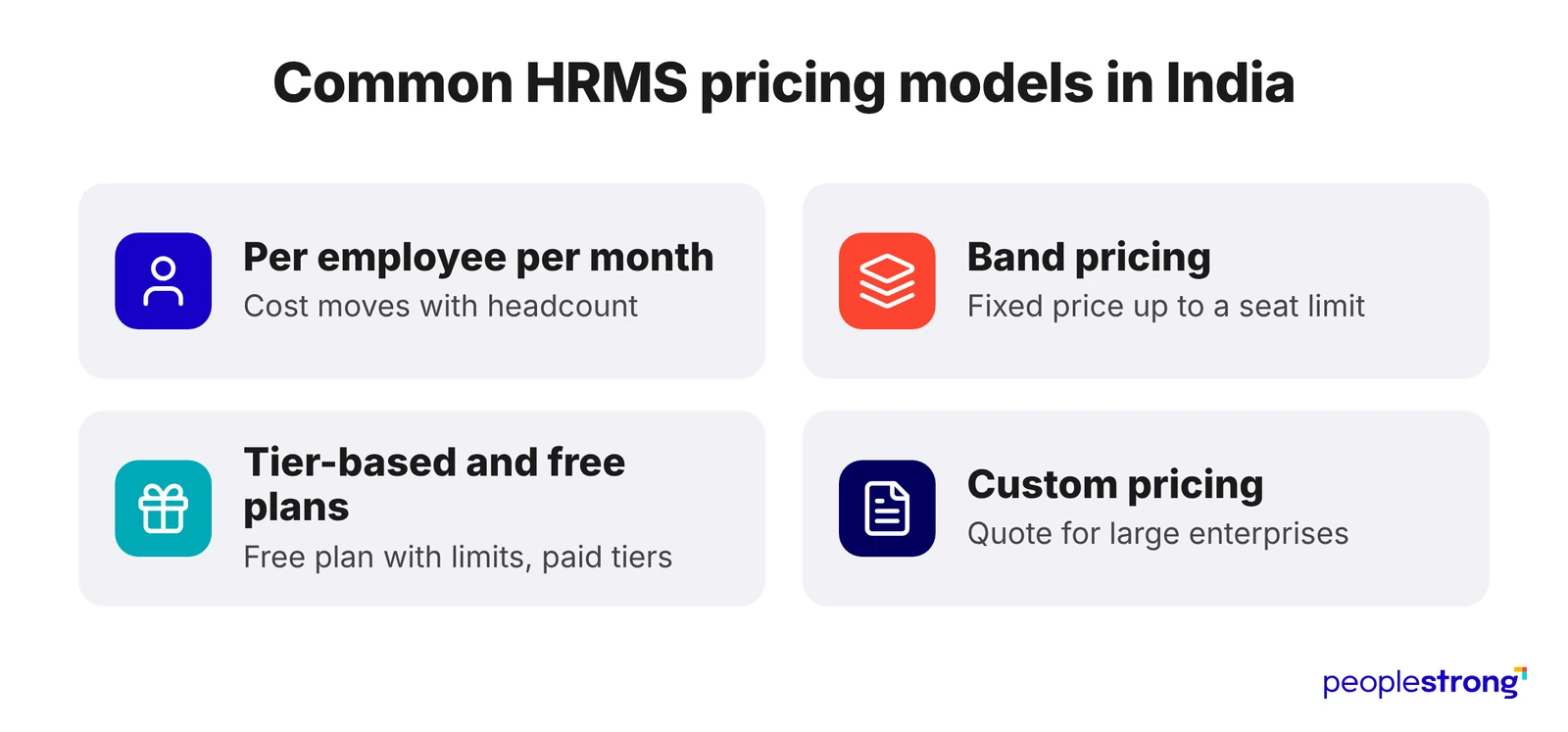
Per-employee per-month (PEPM) pricing model
The PEPM model of HRMS pricing is popular among small to medium-sized businesses (SMBs) in India. Since SMBs have a lower employee headcount and are looking for core HR functions to include in their stack, per-employee-per-month pricing works best for them.
As the name suggests, companies are charged a fixed rate per active employee, billed either monthly or annually. It can range anywhere between a few tens and a few hundreds of rupees for every active employee. The overall HRMS cost, therefore, rises or falls as per the changing headcount in your company.
Band Pricing Model
Let’s understand the band pricing model with an example. In this model, an HRMS platform charges a fixed monthly price up to 50 or 100 employees in an organization. So if your company has 30 employees, you still have to pay for 20 empty seats. If your company’s headcount nears the employee limit of the band, this pricing model would be suitable for you.
Tier-Based Pricing + Free Plans
Many HRMS vendors provide a free plan for companies with small teams. However, it’s important to differentiate between a free plan and a free trial.
A free plan does not cost you any monthly or annual fee for lifetime unless you upgrade to a higher tier. Of course, the free plan may have limits such as employee count and number of modules included.
However, a free trial expires after a certain time period – 15 days, for instance. It may also cap some key features that you may probably want to include in your stack, which may force you to purchase a company tier without properly trying it.
Custom Pricing
In this type of HRMS software pricing model, there is no publicly published price list issued by the vendor. Instead, a custom quote is negotiated based on total employee count, entities, modules, term, and service levels.
Mid-to-large businesses with over a thousand employees often go for custom pricing.
Factors that Drive Up HRMS Cost
While pricing models give you a general idea of how HRMS platforms charge, it’s important to know factors that can easily ramp up the final cost, including:
- Statutory Requirements: Compliance automation with India’s statutory requirements, such as Tax Deducted at Source (TDS), Professional Tax (PT), Employee State Insurance (ESI), and Provident Fund (PF), doesn’t usually come free of cost.
- Feature Creep: While core HR (basic profiles and employee directory) is relatively inexpensive, modules such as Learning Management Systems (LMS), Performance Management Systems (PMS), and Recruitment Applicant Tracking Systems (ATS) are almost always charged as premium.
- Employee Self-Service (ESS) Mobile Apps: Most HRMS platforms include desktop portals in their base pricing. However, if you need mobile app access for your employees, you may need to upgrade to a higher tier or pay for it as a standalone add-on.
Factors that Drive Down HRMS Cost
There are some ways to potentially lower your total HRMS cost.
- Choosing an all-in-one vendor: An HRMS platform that includes core HR, attendance, and payroll natively is significantly cheaper than buying separate tools for each HR function. One such vendor is PeopleStrong, an all-in-one HRMS software that offers talent acquisition, workforce management, payroll, and talent management under one roof.
- Paying an annual fee: Most HRMS vendors offer anywhere between 10% and 20% discount on the base subscription fee for annual payments. It also shields your company from mid-year price hikes (if any) from the vendor. However, you must be aware of hidden costs that may creep up in the final amount (more on that later).
- Offering Tiered access: This one depends on the type of workforce you have. If you have a blended workforce (blue-collar + corporate staff), you can choose basic core HR and attendance modules for blue-collar employees, whereas premium module licenses (PMS or LMS) for corporate staff.
Worked Examples of HRMS Pricing in India
As established in previous sections, there is no fixed answer to how much an HRMS software costs. The answer depends on the pricing model you choose, number of modules included in your HR tech stack, implementation, GST, and other costs.
Let’s say you choose the per-employee per-month model. For each employee in your company, you pay ₹140 per headcount per month for HRMS that includes core HR and payroll.
For a 50-person company, that would look like:
| Element | Calculation | Year One Cost | Year Two Cost |
|---|---|---|---|
| Subscription | 50 employees × ₹140 × 12 months | ₹84,000 | ₹84,000 |
| Setup cost | One-time setup cost | Once | Nil |
| Mobile notifications + SMS | OTP and payslip notifications charged as a small monthly pack | Monthly | Monthly |
| GST | 18% on every component above | Added | Added |
If you choose band pricing with a 60-employee limit, your HRMS cost becomes 60 × ₹140 × 12 months = ₹100,800. That means you’ll be paying ₹16,800 more for the same 50 employees.
Let’s say payroll and attendance are an add-on at ₹50 per employee; that will cost you:
50 employees × ₹50 × 12 months = ₹30,000.
That’s an added cost to the basic minimum subscription fee you’ll be paying for the HRMS.
If you already have an old HRMS software, you should also consider the cost of data migration to your new HRMS. This is also a one-time, fixed cost. Some vendors include the cost of training and migration in the total implementation cost.
Hidden HRMS Costs You Must Account For
Beyond the base subscription fee, several hidden expenses can inflate your HRMS software cost if you’re not careful.
Some of them are:
- Custom Integrations: If you want your new HRMS software to work in sync with your existing ATS, biometric attendance devices, or accounting software (like Tally), you will need to pay separate integration charges for custom development.
- Dedicated Support: While standard support is usually free, you’ll pay a premium for dedicated account managers, guaranteed faster response times (SLAs), or 24/7 phone support.
- Regional Compliance: If you decide to open up a new international branch, expect to pay an additional ‘multi-company setup’ fee to manage regional compliance, distinct payroll structures, and segregated tax calculations.
How to Select the Best HRMS Software for Your Company
Use this checklist to pick the right HRMS software for your company:
- Clearly define your employee headcount, office locations, departments, and shifts
- Lay out your most essential modules: core HR, leave, payroll, attendance, performance, compliance, recruitment, and expenses.
- Request a complete quote from the vendor that also includes migration, setup, integration costs, and renewal terms.
- Run an attendance and payroll demo using realistic scenarios.
- Check permissions, security, backups, and support.
Choose a platform that meets all these requirements without adding complexity.
PeopleStrong HRMS Software Price in India
PeopleStrong HRMS software pricing is strictly quote-based, tailored to mid-to-large business enterprises. The company does not publish a standard public list price. All commercial contracts are negotiated individually based on the size of your organization, modules selected, and deployment scope.
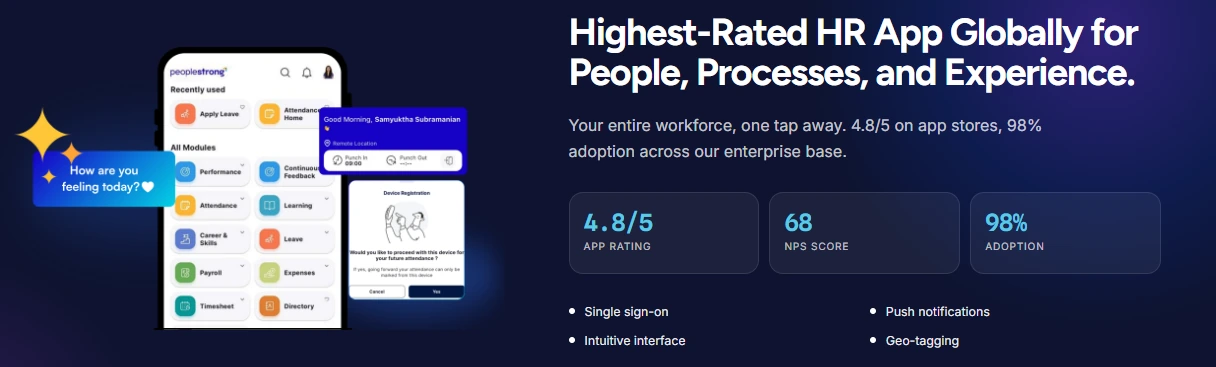
If you’re looking for a hassle-free, all-in-one HRMS solution that removes complexity so you can focus on your business, PeopleStrong HRMS is your answer.
Book a free demo today!
Conclusion
The HRMS software price in India varies according to the pricing model, modules, implementation fee, and other hidden costs discussed above. While small-to-mid-sized companies can benefit from the PEPM model, large enterprises may prefer a custom quote to unlock automation features and advanced HR modules like full statutory payroll compliance, performance tracking, and shift scheduling.
Frequently asked questions
What is the price of HRMS software in India?
HRMS software prices in India typically range from ₹48 to ₹250 per employee per month (PEM), or a few thousand rupees per month for base plans, depending on company size, features, and vendor.
Do HRMS software vendors charge a fee for implementation?
Yes, most HRMS vendors charge a one-time implementation fee that covers data migration, software integrations, and custom workflows. However, some modern HRMS providers for small businesses may waive this fee or charge nominal setup rates.
Is GST included in HRMS subscriptions?
No, GST is not included in the standard advertised prices for HRMS subscriptions. You must account for 18% GST on the listed base price on your final invoice.
Is a free HRMS plan good for a small business in India?
If your HR needs are basic and your employee headcount is under 20-30 employees, a free HRMS plan is good for you. In fact, it’s an excellent way to transition away from messy Excel sheets without any financial risk. However, you will need a paid plan as your company starts growing, especially for automated payroll and compliance.
Does HRMS software pricing also include payroll?
It depends on the vendor. Some include payroll in their base cost while others treat it as a separate, paid add-on. Modern all-in-one HRMS vendors bundle payroll and core HR together in their base pricing.