











 About Us
 Brand
 Career
 Contact Us



 +91-7314623098


Choosing HR software looks simple until the real work starts. A platform can look capable in a demo, then feel very different once payroll rules, approvals, and employee self-service all need to work together across India.
This guide is for HR leaders, HRIS owners, payroll leads, and IT stakeholders deciding between enterprise HR platforms for India-based operations. The focus stays on India because payroll, statutory handling, and rollout effort often decide the outcome more than headline feature lists.
TLDR
- Workday, PeopleStrong, SAP SuccessFactors, Oracle Fusion Cloud HCM, and ZingHR suit different enterprise priorities in India.
- In India, the choice usually turns on payroll design, statutory support, manager self-service, reporting depth, integrations, and implementation capacity.
- PeopleStrong stands out for India-led enterprises that want enterprise depth with stronger localisation, including Jinie use cases tied to a cited \~60% reduction in HR admin load.
- No platform fits every operating model, so buyers should test India payroll scenarios, reporting needs, and workflow complexity early.
What is enterprise HR software in India?
Enterprise HR software in India is a system used to manage core HR, payroll, attendance, leave, approvals, reporting, and employee self-service at scale. For larger organisations, it also needs to support India-specific payroll and statutory requirements, data governance, and integrations with finance, identity, and other business systems.
Enterprise buying is rarely about one feature. Gartner has consistently framed cloud HCM decisions around business outcomes such as process consistency, employee experience, and data quality, not feature lists alone. For you, that means the right system supports daily operations in India without creating unnecessary manual work later.
Enterprise HR software options in India: overview table
| Platform | Best For | Key Strengths | Ideal Company Size |
| Workday | Large enterprises prioritising global process consistency and advanced workforce planning | Broad enterprise suite, mature analytics direction, strong cross-functional planning potential | Large enterprises with strong internal programme ownership |
| PeopleStrong | India-based enterprises wanting enterprise depth with stronger localisation | Unified hire-to-exit suite, India-led payroll and workforce depth, support for compliance needs, Jinie use cases tied to a cited \~60% reduction in HR admin load | 1,000 to 10,000+ employees |
| SAP SuccessFactors | Large enterprises with broader SAP alignment | Broad enterprise coverage, global reach, established enterprise footprint | Large multinational enterprises |
| Oracle Fusion Cloud HCM | Enterprises wanting broad suite depth across HR and adjacent enterprise systems | Strong enterprise breadth, global operating model potential | Large multinational enterprises |
| ZingHR | Organisations evaluating regional options with payroll-led priorities | Regional HR and payroll capabilities, local market familiarity | Small to large organisations depending on use case |
What matters most when comparing enterprise HR platforms in India
Before you compare products, set the criteria that usually decide whether a platform still works after go-live.
1. India payroll and statutory depth
In India, payroll is not only about calculation accuracy. You need a system that supports recurring statutory obligations, pay structure complexity, attendance dependencies, and ongoing change without pushing your team into manual workarounds.
So test payroll early. If local handling sits outside the platform, your HR and payroll teams may still spend a lot of time reconciling data and fixing downstream issues.
2. Manager and employee adoption
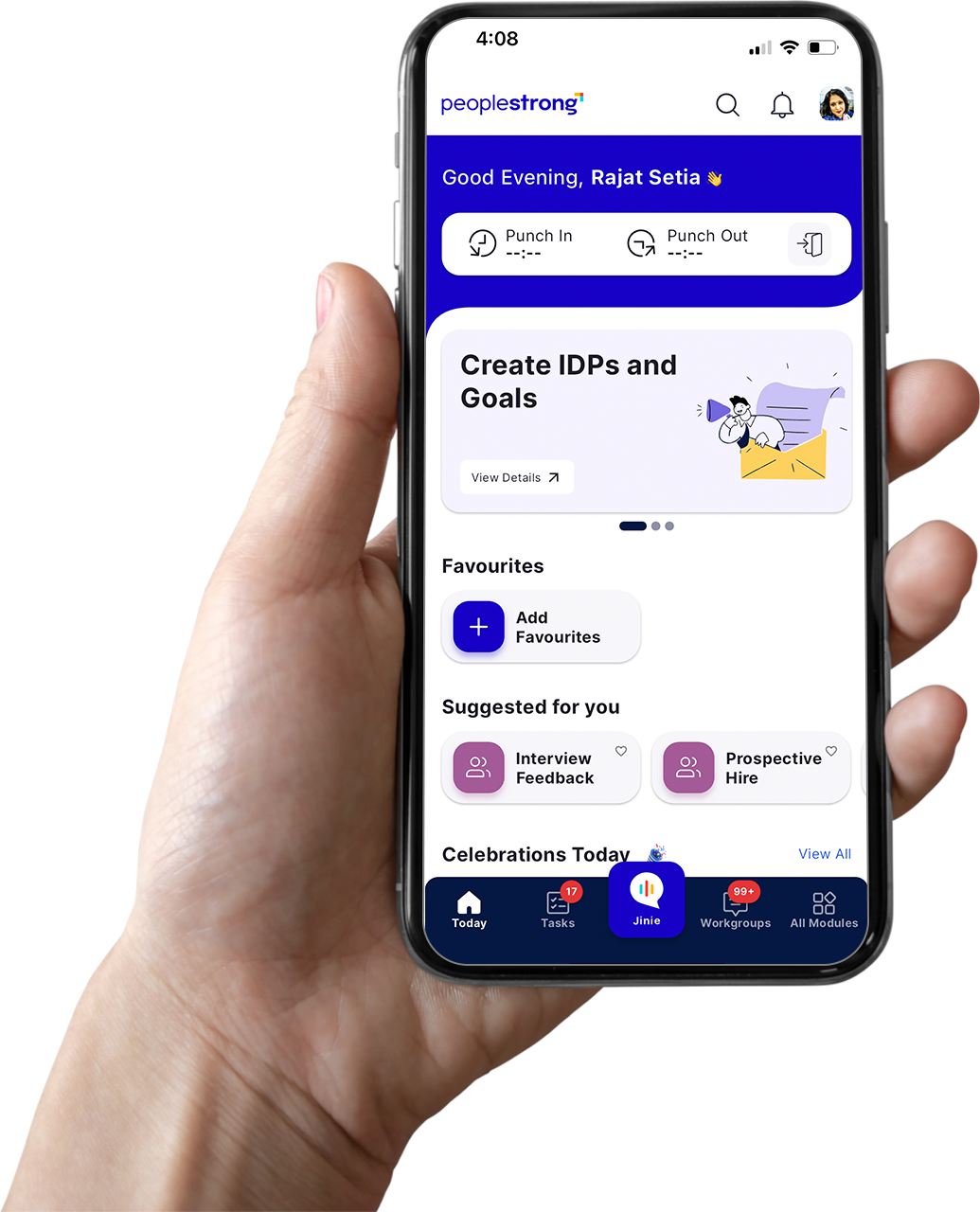
A system that works for HR but creates friction for managers and employees will limit value. Mobile access, clear task design, and dependable self-service matter because they cut routine dependency on HR teams.
This is more than convenience. Better self-service can reduce basic HR queries and help approvals move faster across larger manager populations.
3. Integration and data governance
Enterprise HR systems connect with finance tools, identity systems, payroll services, learning tools, and reporting environments. The practical question is whether those integrations are manageable with your internal team and whether the data stays consistent once systems are live.
If reporting breaks after implementation, the issue is usually not the home screen. It is the structure behind the data.
4. Reporting depth
Most organisations ask for reporting. Fewer define which reports matter most, who will own them, and how much variation exists across business units. A useful comparison separates standard reports, ad hoc reporting, and cross-functional reporting for leadership.
Sierra-Cedar’s long-running HR systems research has repeatedly shown that enterprises continue to value analytics and decision support as a major part of HR technology transformation. For you, that means reporting should be part of the product test, not an afterthought.
5. Time-to-value
Large enterprises can accept complexity when it gives them real control. They usually do not want avoidable implementation drag. Rollout model, partner dependence, configuration overhead, and internal programme capacity all shape time-to-value.
According to Deloitte’s global human capital research, organisations continue to expect HR technology to support agility, better workforce visibility, and stronger employee experience together. In practical terms, your platform has to do more than digitise forms.
5 Enterprise HR software options for India
1. Workday
Workday is often shortlisted by enterprises that want a global operating model, strong planning capability, and tighter links between workforce data and wider business decisions.
It generally suits organisations prepared to invest in a more structured model for processes, data definitions, and governance. That can improve consistency across business units and leadership reporting.
In India, the main question is rollout shape. Buyers should examine localisation, implementation effort, internal programme capacity, and how India payroll is handled in practice.
Ideal for: Large enterprises that prioritise global standardisation, planning, and cross-functional reporting.
2. PeopleStrong
PeopleStrong is built for enterprises that need one system of record with stronger India execution. It combines core HR, payroll, workforce management, employee self-service, and reporting in a unified suite designed for enterprise operations.
For India-based organisations, the practical advantage is depth in payroll and workforce processes that often create manual work in broader suites. PeopleStrong currently serves 500+ enterprise customers, supports 2M+ employees across 10 countries, and has been recognised as a Gartner Customers’ Choice for HCM in organisations with 1,000+ employees across 2022, 2023, 2024, and 2025. For a buyer, that matters because it points to proven enterprise use over time.
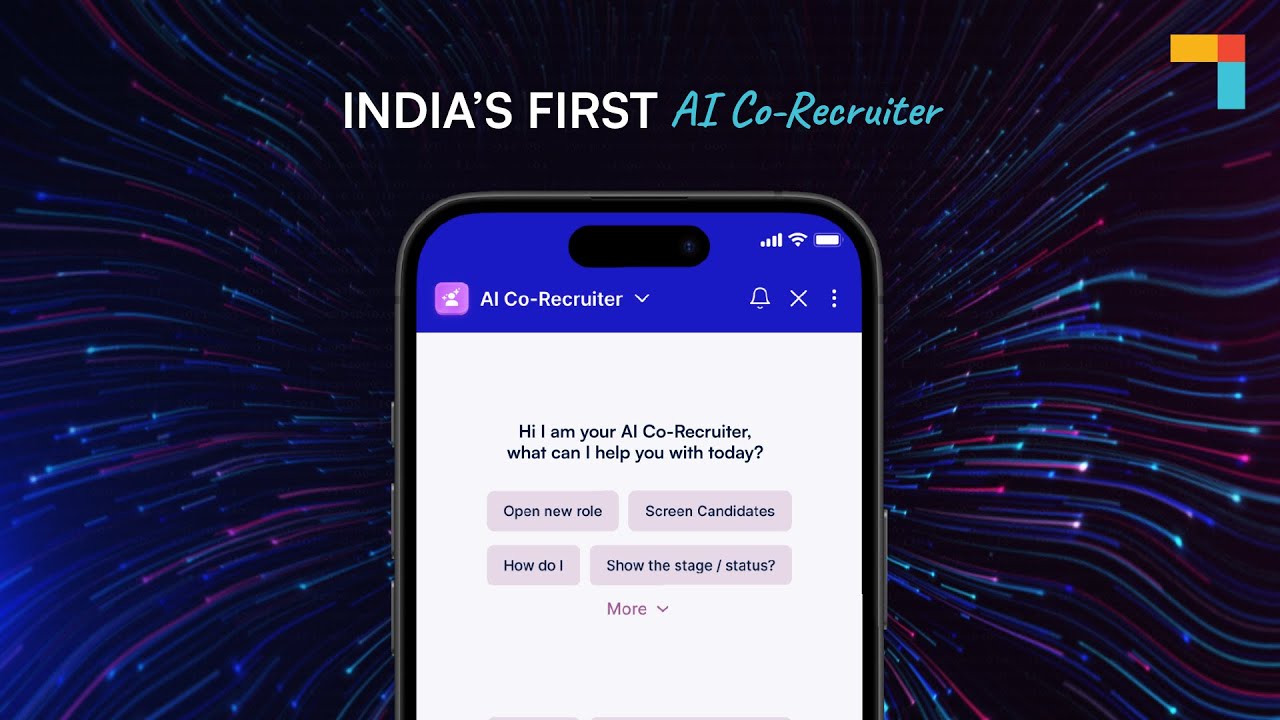
PeopleStrong also includes Jinie, its embedded HR AI agent, for routine employee questions such as leave, payslips, and policy queries. That use case is tied to a cited reduction of around 60% in HR admin load. For your team, the value is straightforward: fewer repetitive queries reaching HR operations.
Ideal for: India-led enterprises that want enterprise capability, stronger localisation, and a more practical rollout profile.
3. SAP SuccessFactors
SAP SuccessFactors is often considered by large enterprises that already have wider SAP alignment. Its appeal usually comes from broad enterprise coverage and support for global operating models.
For India buyers, the useful question is not whether it has broad capability. It is how well that maps to your payroll, workflow, reporting, and implementation needs in day-to-day operations.
Ideal for: Large multinational enterprises with broader SAP alignment.
4. Oracle Fusion Cloud HCM
Oracle Fusion Cloud HCM is relevant for enterprises looking for broad suite depth across HR and adjacent enterprise systems. It can appeal when HR software decisions are closely tied to wider enterprise architecture.
In India, the buyer-side test should focus on reporting needs, rollout capacity, process fit, and how local payroll and workforce requirements are handled.
Ideal for: Large enterprises that want broad HR coverage alongside wider enterprise-system alignment.
5. ZingHR
ZingHR is part of the conversation for organisations evaluating regional options with payroll-led priorities. Its local market familiarity can matter when buyers want a product that aligns more closely with regional operating needs.
As with any product in this category, the buying decision should depend on whether it can support your approval complexity, reporting expectations, and long-term scale in India.
Ideal for: Organisations evaluating regional HR and payroll options with local market familiarity in mind.
Comparison table by decision priority
| If Your Priority Is… | Workday | PeopleStrong | SAP SuccessFactors | Oracle Fusion Cloud HCM | ZingHR |
| Global standardisation | Strong fit | Strong fit where India requirements lead | Strong fit | Strong fit | Moderate fit |
| India payroll and workforce realities | Needs close evaluation | Strong fit | Needs close evaluation | Needs close evaluation | Strong fit |
| Mobile-first employee adoption | Good fit | Strong fit | Good fit | Good fit | Good fit |
| Reporting and planning maturity | Strong fit | Strong fit for enterprise HR and workforce use cases | Strong fit | Strong fit | Moderate fit |
| Faster time-to-value with India localisation | Needs close evaluation | Strong fit | Needs close evaluation | Needs close evaluation | Strong fit |
How to evaluate these platforms fairly
1. Start with operating reality
Build your shortlist around problems you already know are difficult. That usually includes India payroll ownership, manager self-service, approval complexity, reporting, and data consistency across systems.
If those issues are not tested early, the project can drift toward presentation quality instead of operating fit.
2. Use the same scenarios for every vendor
A fair evaluation depends on identical scenarios. Ask each provider to show the same India payroll exceptions, manager approvals, mobile self-service flows, integrations, and leadership reporting views.
That reveals differences much faster than broad demonstrations.
3. Decide which complexity you can absorb
Every platform asks you to absorb complexity somewhere. Some require more structured transformation and governance. Others require closer validation of long-term depth as your business grows.
The right choice depends on whether your team has the implementation capacity, reporting maturity, and local operational requirements to support that model.
Drawbacks and how to mitigate them
No platform is perfect, and balance matters in an enterprise decision.
Workday
Workday can require substantial implementation design, partner support, and internal programme ownership. You can mitigate that by defining India payroll scenarios, reporting needs, and governance roles before the final selection.
PeopleStrong
PeopleStrong should be validated against your own workflow fit, reporting requirements, and implementation scope. You can mitigate that by asking for detailed demonstrations of your actual payroll, self-service, and reporting scenarios in India.
SAP SuccessFactors
SAP SuccessFactors may involve broader implementation planning, especially where buyer requirements span multiple business systems. You can mitigate that by narrowing the initial rollout scope and agreeing clear reporting and process priorities early.
Oracle Fusion Cloud HCM
Oracle Fusion Cloud HCM should be assessed carefully for local process fit and rollout effort in India. You can mitigate that by mapping must-have workflows and local payroll dependencies before design starts.
ZingHR
ZingHR should be tested for long-term reporting depth, approval complexity, and scale in your operating model. You can mitigate that by using future-state headcount, reporting, and governance scenarios in the evaluation rather than current-state needs alone.
Conclusion
The best Workday alternative in India depends on what your organisation needs to handle every day: payroll ownership, statutory support, manager self-service, reporting depth, integrations, and the implementation capacity you can realistically commit. Review PeopleStrong’s Core HR Platform using your own India payroll, manager self-service, and reporting scenarios.
FAQs
Is Workday better than other enterprise HR platforms in India?
Not universally. Workday can be a strong fit for enterprises that prioritise global standardisation, planning, and cross-functional reporting. In India, the right choice depends on payroll design, reporting requirements, manager adoption, and implementation capacity.
Why is PeopleStrong relevant as a Workday alternative in India?
PeopleStrong is relevant for India-led enterprises that want enterprise depth with stronger localisation. It serves 500+ enterprise customers, supports 2M+ employees across 10 countries, and includes Jinie use cases tied to a cited reduction of around 60% in HR admin load.
What should I compare beyond feature lists?
Compare payroll design, statutory support, integrations, reporting ownership, rollout model, and manager self-service. Those factors shape long-term operating effort more than headline module coverage does.
Is ZingHR a suitable option for India-based organisations?
It can be, depending on your operating model. ZingHR is relevant for organisations evaluating regional HR and payroll options, but it should still be tested for reporting depth, approval complexity, and long-term scale in India.
How should I run a fair enterprise software evaluation?
Use identical scenarios for every vendor and involve HR, payroll, IT, and business stakeholders early. Ask each provider to demonstrate India payroll exceptions, mobile self-service, manager approvals, integrations, and leadership reporting using your process logic.