











 About Us
 Brand
Brand
 Career
 Contact Us


 +91-7314623098






Nowadays, Human Resource has become a core aspect of all businesses. As such, HR departments have to stay on their toes for organisational success. To manage cultural and legal diversity, they need ways to work with greater efficiency, and that is why a robust Human Resources Information System (HRIS) is essential.
An effective HRIS offers many benefits, such as streamlining HR processes, improving data accuracy, and fostering a more engaged workforce. Additionally, for a significant number of enterprises, an HRIS drives their essential HR policies.

Suggested Read:
26 Essential HR Policies Every Organization Needs
When properly used, HRIS optimises a diverse range of HR processes, including recruitment, onboarding, payroll management, and performance evaluations. By automating tasks, it enhances efficiency, allowing HR professionals to focus on strategic initiatives and not spend time on administrative work.
An HRIS is also important in ensuring compliance with local regulations. The system helps in keeping up with legal requirements, facilitating accurate record-keeping, and generating reports that adhere to statutory obligations.
In essence, an HRIS serves as the fulcrum of modern HR management. As one study on the role of HRIS in Indian companies puts it: “It is the technological backbone that supports all HR operations in most large companies.”
Let us discuss the aforementioned issues in more detail and explain how to select the ideal HRIS system for your enterprise.
What is an HRIS?
An HRIS is a comprehensive software solution designed to streamline and manage a wide range of Human Resources functions.
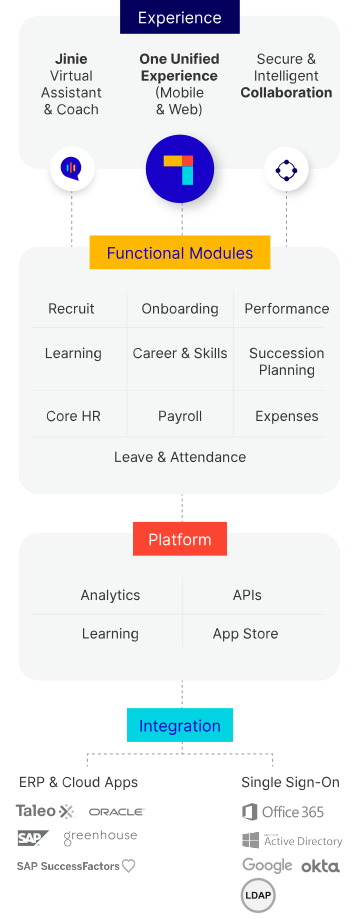
It serves as a central digital hub, consolidating aspects of HR management into one integrated platform. The functions include managing employee data, payroll processing, overseeing recruitment and onboarding, handling performance evaluations, ensuring compliance, and generating reports.
In the context of Indian businesses, an HRIS must be adept at navigating local regulations and statutory requirements. The system should be able to handle Indian tax laws, such as income tax calculations and deductions, as well as Provident Fund (PF) regulations. Additionally, it must also address other labour-specific requirements.
By incorporating all of these functions, an HRIS simplifies administrative tasks and also ensures businesses stay ahead of the times in terms of employee management.
Type of HRIS
Not all HRIS are identical or offer similar features. Organisations usually choose a particular HRIS according to their existing operational maturity, long-term goals, and structural complexity.
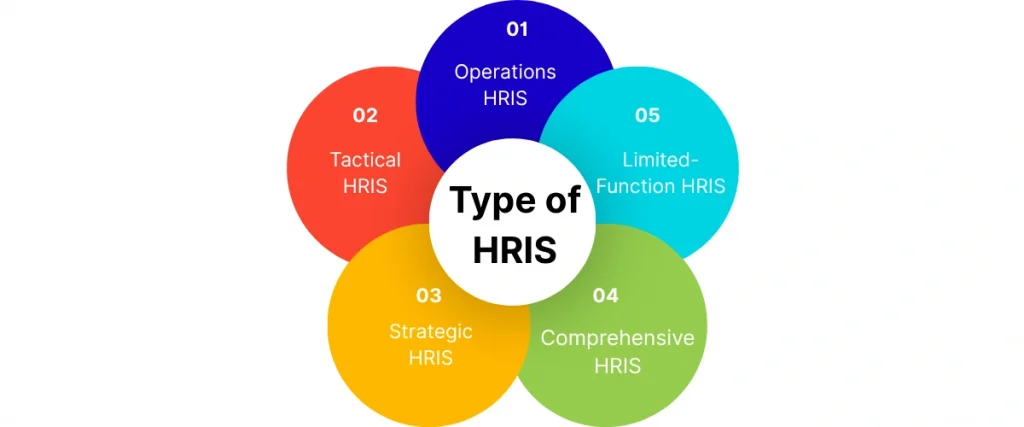
Operations HRIS
The operational HRIS is mainly concerned with administrative activities and keeping track of data. It serves as a digital repository for all employee data, statutory data, and job descriptions. Such HRIS makes life easy in terms of handling employee records since the data can be readily accessed anytime for administrative purposes.
Tactical HRIS
Tactical HRIS is more advanced compared to the operations HRIS as it allows for better management of organisational resources by including specific modules related to recruitment management, workforce planning, training management, and position management, which help improve the current productivity of the staff members.
Strategic HRIS
A strategic HRIS system is used for making organisational decisions for the future and is intended to make use of data pertaining to the company’s workforce to assist senior management in making decisions that have a bearing on the whole business.
Comprehensive HRIS
The comprehensive HRIS is an integrated system that brings together the functionalities provided by an operational, tactical, and strategic HRIS. It deals with everything, starting from basic employee records and payroll to performance management and talent analysis.
Limited-function HRIS
Designed specifically for small businesses or operations that require fewer HR capabilities, limited functionality HRIS only concentrates on one or two functions, such as basic time keeping or maintaining basic employee information. These systems are easily implemented but not capable enough to handle increasing organisational activities.
Key Functions and Features
The operational value of an enterprise platform is defined by its core capabilities. The essential functions of HRIS platforms unify fragmented tasks into standardised, repeatable digital workflows.
- Recruitment and retention: A modern HRIS streamlines talent acquisition by managing job openings, tracking candidate pipelines, and assessing applicant credentials. By analysing historical hiring data, the system helps refine selection criteria to secure long-term talent retention.
- Onboarding/offboarding: First and last impressions impact employer branding significantly. The system standardises the collection of documentation during onboarding and manages digital asset recovery, final settlements, and exit clearance workflows during offboarding.
- Employee Data Management: An HRIS stores and manages a range of employee information, including personal details, employment history, emergency contacts, performance data, and attendance records.
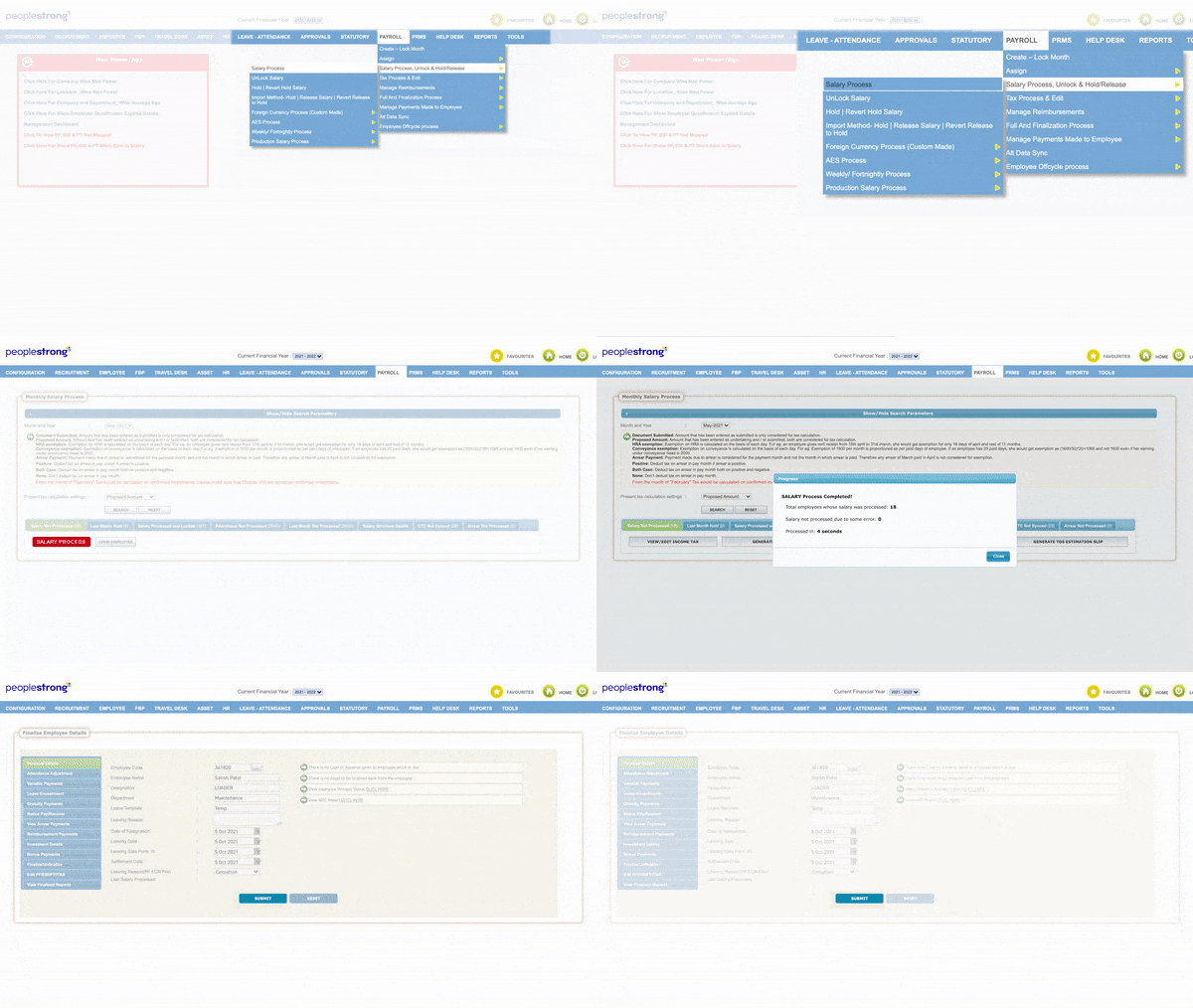
- Payroll Processing: The software calculates salaries, deductions, and statutory contributions in accordance with Indian tax laws. This function ensures compliance with Income Tax, Professional Tax, and other regulations. It also handles related tasks such as salary advances, overtime, and bonus payments.
- Work scheduling: Managing complex shift rotations across manufacturing plants, corporate offices, and remote hubs requires automated scheduling engines. The platform ensures optimal floor coverage while tracking overtime hours accurately.
- Compensation: This feature tracks base salary structures, performance bonuses, variable pay models, and historical increment cycles, ensuring transparent and equitable remuneration across departments.
- Benefits Administration: An HRIS manages employee benefits, such as Provident Fund (PF), Employee State Insurance (ESI), Gratuity, and health insurance. The functions include tracking contributions, claims, and compliance with government regulations. It can also automate processes like PF withdrawals, nominations, and transfers.
- Training: The platform maps skill development programmes, tracks mandatory regulatory certifications, manages course enrolments, and evaluates employee progress across internal training initiatives.
- Self-services for candidates: External candidates gain access to dedicated portals where they can view real-time application statuses, upload required background verification documents, and schedule interview rounds autonomously.
- Performance Management: With the right inputs, an HRIS can track employee performance, monitor goals and reviews, and facilitate performance-based rewards and promotions.
- Compliance and Reporting: Importantly, an HRIS ensures adherence to Indian labour laws, such as the Industrial Disputes Act, Minimum Wages Act, and Contract Labour Act. It can generate reports for analysis, including headcount, attrition rates, compliance audits, and returns.
Suggested Read:
HR Compliance Guide: Essential Tips for Employers
The Benefits of an HRIS

Now, let us explore the many advantages of a full-function HRIS.
- Streamlined HR Processes: It can automate routine HR tasks, such as payroll processing and time and attendance tracking. This role frees up HR professionals’ time so they can focus on strategic initiatives and employee development.
- Improved Data Accuracy: It centralises employee data in a single system, minimising errors and promoting consistency.
- Sharper Reporting and Analytics: An HRIS provides real-time insights into metrics such as employee turnover, absenteeism, training effectiveness, and compensation. This allows management to make data-driven decisions.
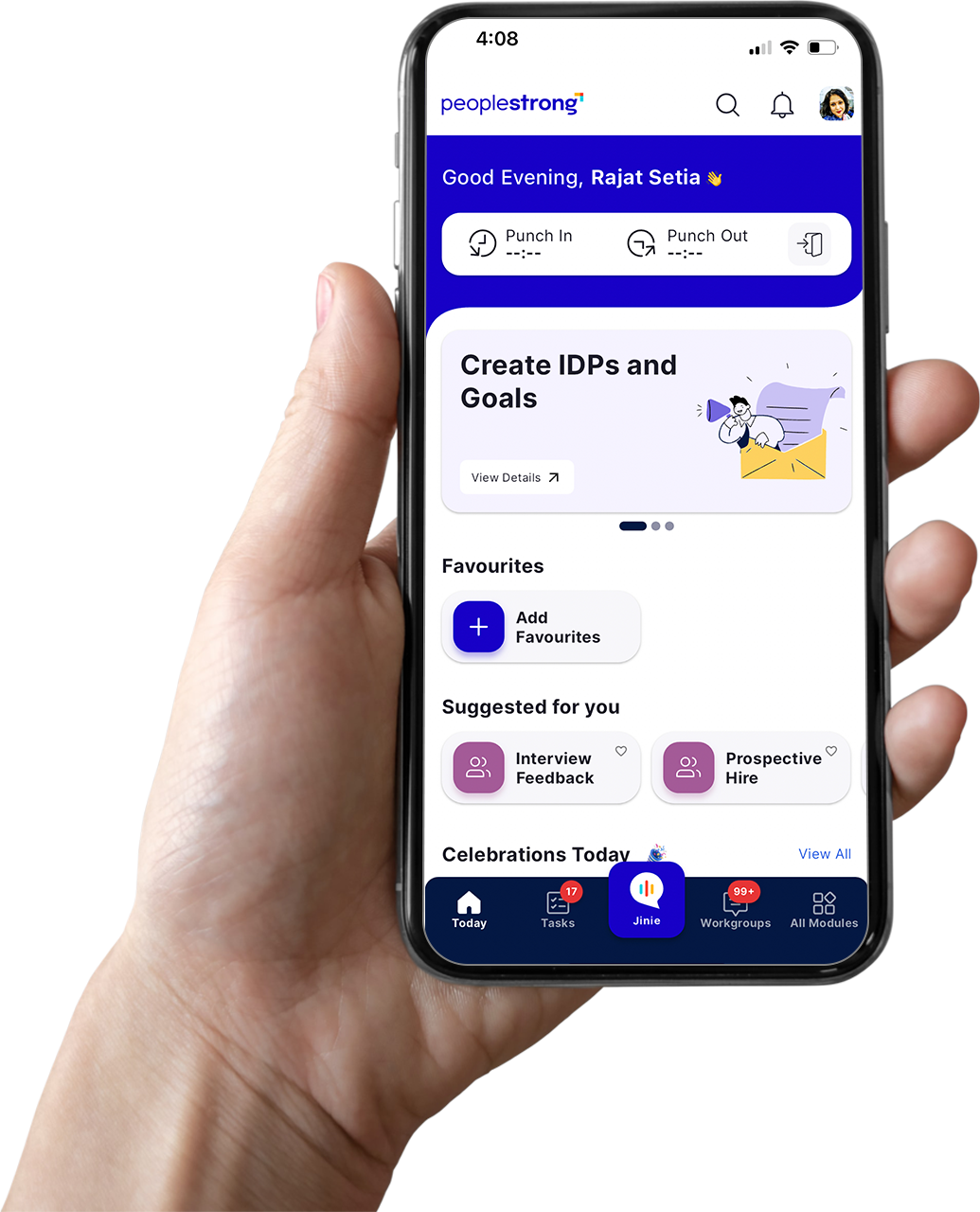
- Better Employee Experience: An HRIS can offer self-service portals for employees. They get improved access to HR information and services, such as leave requests, salary slips, and benefits.
- Cost Efficiency: When an HRIS reduces operational costs by automating processes and streamlining workflows, the result is the proper resource allocation.
- Greater Employee Engagement: An HRIS provides timely information and efficient processes and points out opportunities for growth and development. Leading to a more engaged and satisfied workforce.
How to Choose the Right HRIS

Selecting the right HRIS is an important decision. Here is a checklist to keep in mind:
- Identify Needs: Assess current HR processes, issues, and future goals to find out the features and functionalities your nosiness needs. Important factors are the size of the workforce, the complexity of your HR functions, and any specific compliance needs.
- Consider Scalability: You need to choose an HRIS that can grow with your business and accommodate future expansion. Look for systems that offer flexibility in terms of adding modules or users and can handle increasing workloads.
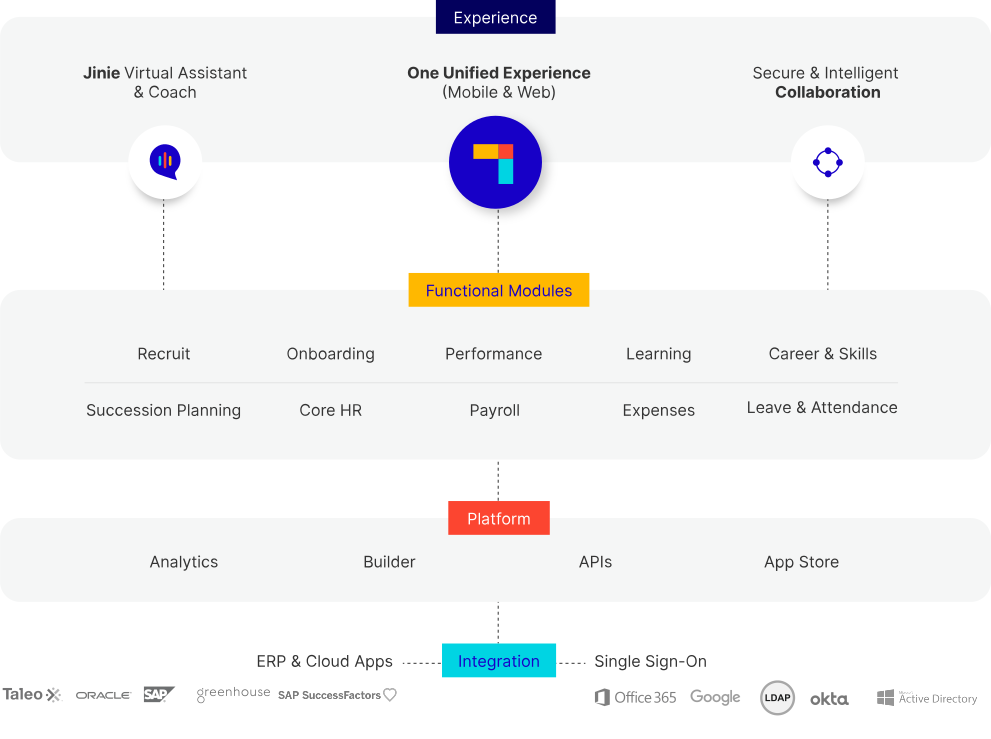
- Integration Capabilities: It is important to check compatibility with your existing accounting and software systems. For example, the HRIS should work seamlessly with ERP and payroll systems. That is why, with PeopleStrong, you can use APIs to leverage existing code.
- User-Friendliness: HR personnel and employees should be able to adopt and use the HRIS effectively. The system should have an intuitive interface and responsive customer support.
- Cost and Budget: There are many types of HRIS available, with different pricing models. Evaluate subscription fees, implementation costs, and ongoing maintenance expenses.
- Customisation Options: You can also consider the degree of customisation that HRIS offers. A system that can be tailored to your specific needs and workflows will be more effective and efficient.
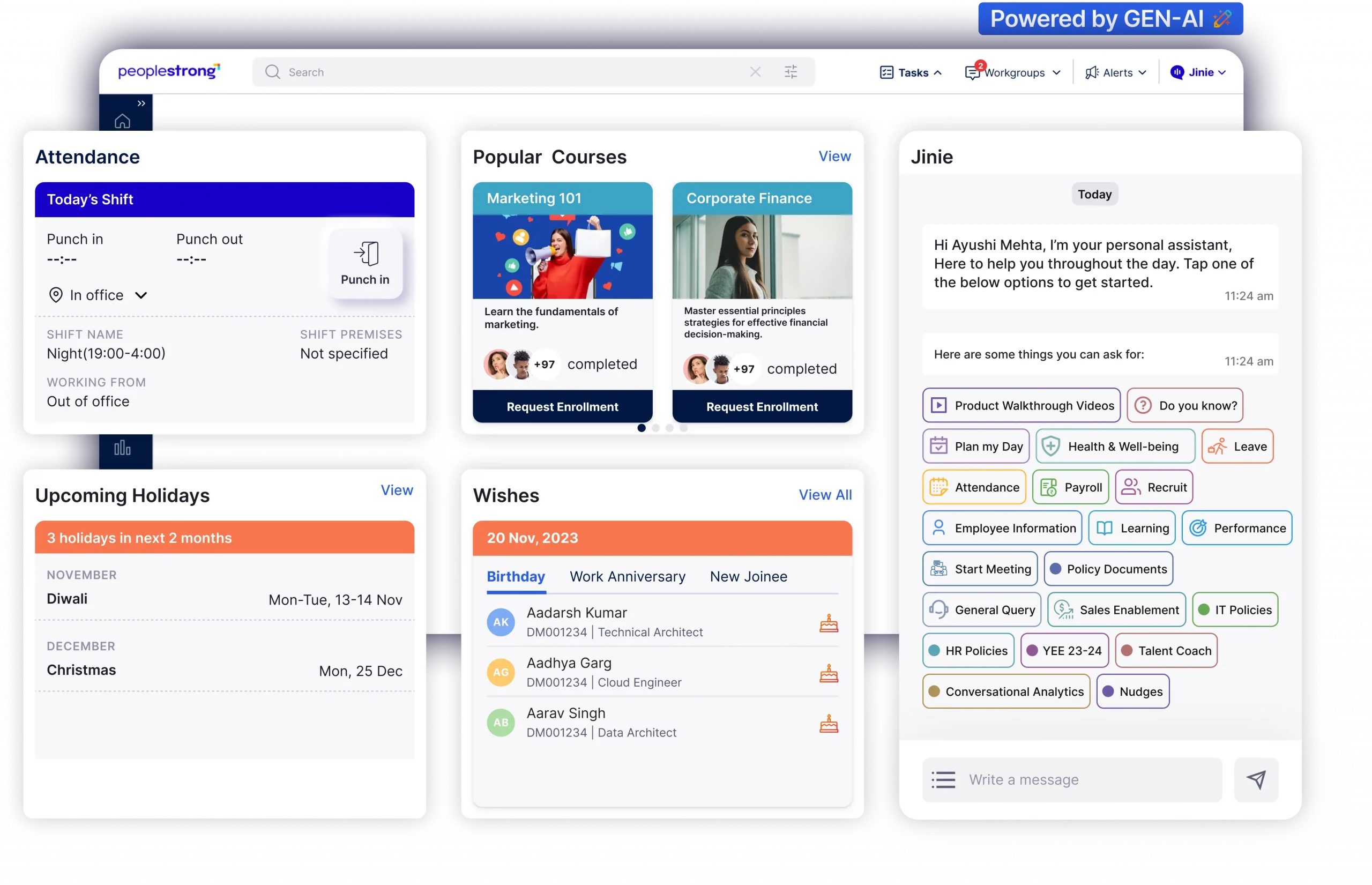
How can AI enhance HRIS capabilities?
The implementation of AI technology in essential human resource systems elevates mundane applications to active operations systems.
Automation of routine tasks
Artificial intelligence sorts out mundane operational queries by verifying document uploads, auditing expenses against corporate guidelines, and issuing reminders for mandatory compliance training sessions.
Make smarter, data-driven decisions
Through machine learning, algorithms study past trends within the corporation to determine where turnover rates are higher, which areas are prone to experiencing burnout, and where top talent exists for advancement.
Personalised employee experiences
AI engines look at an employee’s role, performance metrics, and career goals to recommend tailored internal learning programmes and relevant developmental opportunities.
Recruitment and talent management
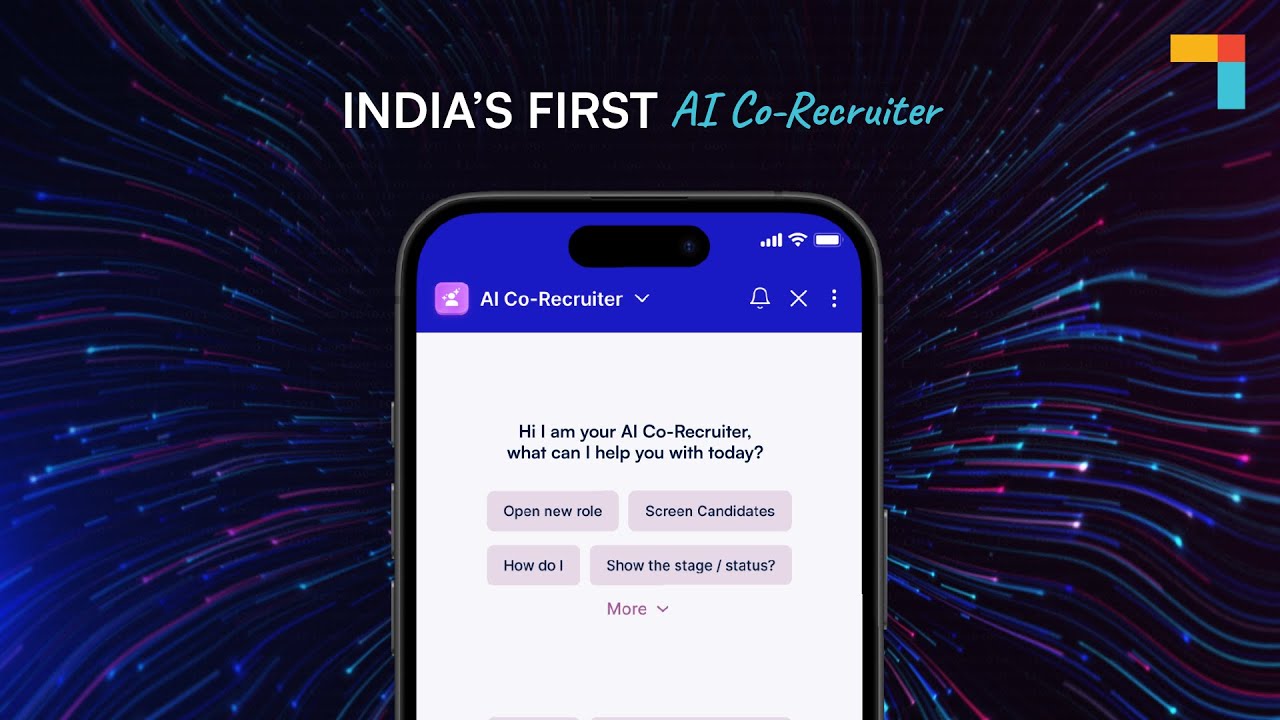
AI algorithms screen large volumes of inbound resumes, matching candidate profiles with open job descriptions based on skills and experience, reducing time-to-hire metrics.
Supporting remote and hybrid work
By analysing digital collaboration patterns, AI helps managers evaluate team engagement, ensuring remote workers remain connected and supported regardless of physical location.
Privacy, security, and compliance
AI monitors platform access patterns in real time, detecting anomalies or unauthorised data export attempts, which protects sensitive payroll and personal information.
Natural Language Processing (NLP) and conversational AI
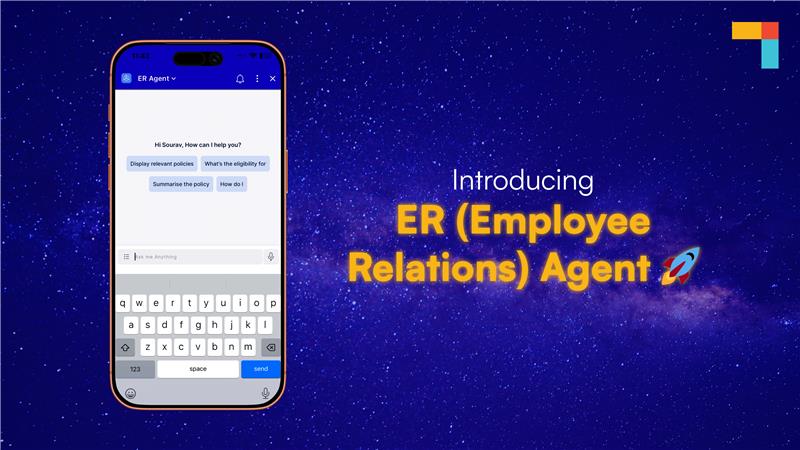
Advanced virtual assistants understand complex, unstructured employee queries, allowing users to view salary details, check leave balances, or submit expense claims using simple text commands.
Future Trends in HRIS
Enterprise workforce management technology continues to evolve rapidly to meet the demands of highly dynamic corporate environments.
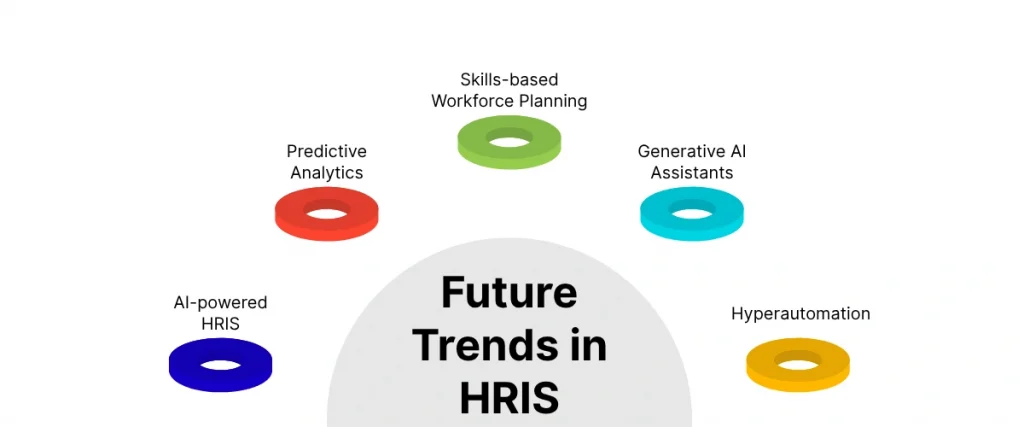
AI-powered HRIS
Future platforms will move from simple execution to proactive management, identifying operational friction points and recommending policy changes before human teams spot the trend.
Predictive Analytics
Organisations will rely on predictive modelling to forecast future talent shortages, map optimal workforce expansion budgets, and simulate the long-term impact of compensation restructuring.
Skills-based Workforce Planning
As strict job descriptions become less rigid, future systems will catalogue employees based on their verifiable skill sets, allowing organisations to assemble dynamic project teams fluidly.
Generative AI Assistants
Sophisticated generative assistants will draft tailored corporate policies, build customised training curricula, and generate comprehensive performance feedback summaries within the platform.
Hyperautomation
Enterprises will connect complex cross-functional workflows using hyperautomation, ensuring that an event like an employee relocation automatically triggers updates across asset logistics, payroll tax compliance, and local facility access.
HRIS Implementation Tips
After you have chosen the right HRIS, how do you go about using it for the best results? The right implementation can make all the difference. Here are some pointers:
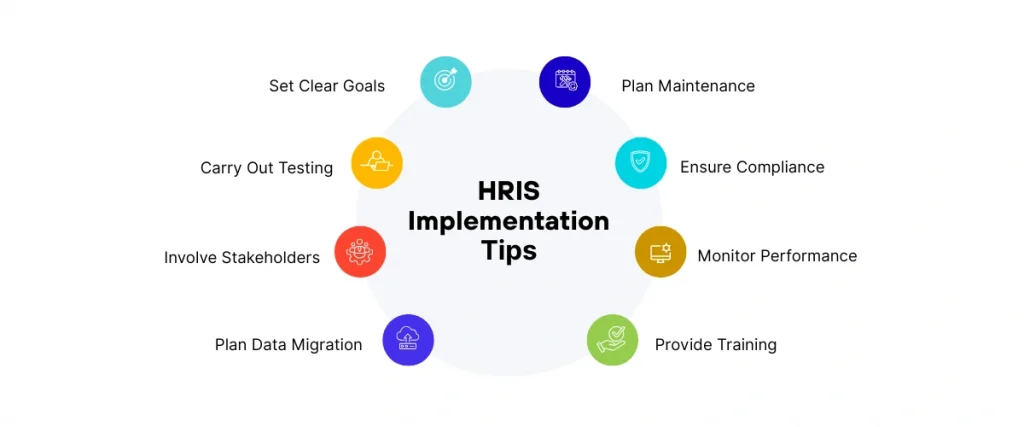
- Set Clear Goals: Establish clear objectives for the HRIS implementation. Some of these could be improving efficiency, enhancing compliance, and improving employee satisfaction. This step will give you a way to measure the HRIS’s effectiveness.
- Carry Out Testing: Before full-scale deployment, it makes sense to run a small pilot of the HRIS system to identify and address any issues or bugs.
- Involve Stakeholders: An HRIS involves employees in all departments and management. You should get input from key people throughout the implementation process to ensure that the system meets their needs and addresses their concerns.
- Plan Data Migration: A plan should be developed to migrate existing employee data to the new HRIS system in a way that avoids errors and ensures accuracy.
- Provide Training: The way that people use an HRIS makes a big difference. Provide training to HR personnel and employees to make sure that they can take advantage of its features.
- Monitor Performance: Monitoring the HRIS’s performance should be an ongoing process. Gather feedback from all concerned to spot areas for improvement and make necessary adjustments.
- Ensure Compliance: From the start, keep track of Indian labour laws and regulations so that the HRIS is equipped to ensure that all the rules are complied with.
- Plan Maintenance: Schedule regular updates and backups. This step will ensure that the HRIS remains up-to-date and protected against data loss.

Conclusion
The Indian business landscape is rapidly evolving. There are increasing demands for efficiency, accuracy, and compliance, and using an HRIS is essential in this context.
When chosen and implemented well, an HRIS offers benefits that extend beyond basic administrative tasks. For one thing, it smoothens HR processes by reducing the administrative burden on HR personnel. It also improves operational efficiency and accuracy.
An HRIS also helps organisations navigate the terrain of regulations in India. A robust HRIS can ensure that the business adheres to regulations by providing up-to-date information, automating compliance, and generating accurate reports.
A well-implemented HRIS can offer insights. By consolidating data from HR functions, the system can generate reports for strategic decision-making.
To sum up, an HRIS can play a pivotal role in the overall success and competitiveness of an Indian business. At PeopleStrong, we are standing by to aid you with our expertise. Get in touch today.

Frequently Asked Questions
How do HRIS systems work?
The HRIS operates with a centralised database that links several HRIS modules. As soon as there is any input to the database, such as recording daily attendance by employees, it immediately becomes available to other modules that handle functions like payroll, performance monitoring, and executive analysis.
Why is an HRIS important?
HRIS automates a disorganised process, and this automation leads to precise and accurate data, legal compliance regarding labour laws, protection of personal data, and insightful workforce analysis for executives.
How does HRIS help recruitment?
The software will automate the process of recruitment by identifying open job positions, processing received resumes, selecting applicants on skills, and finally moving those selected candidates to the process of onboarding.
Does HRIS include payroll?
A reliable HRIS will definitely have a payroll module, which will compute salaries for employees using data about attendance and other payments made to them.
How many people can an HRIS handle?
Systems that are enterprise-level are designed to expand or contract depending on the requirements, whether it be managing a few hundred employees or tens of thousands across various corporate structures.
When should I get an HRIS for my business?
A business must consider investing in an HRIS system when the process of managing staff absenteeism, payroll regulations, or record keeping on spreadsheets becomes prone to errors, often once the number of employees exceeds 50-100 people
Can an HRIS be customised for specific organisational needs?
Yes, today’s HRIS systems provide organisations with the capability to customise approval matrices, shifts, leaves, and performance evaluations according to organisational guidelines.
What are the common challenges when implementing an HRIS?
Implementing an HRIS in India can involve several challenges. One of them is data migration. That is the process of transferring existing HR data into the new system. This can be complex, especially if data is stored in multiple formats or systems. Another challenge is user adoption. Employees should be mentally prepared and trained to take advantage of the new system. Customisation can be another issue. The HRIS may require tailoring to meet specific business needs. Finally, the HRIS needs to be secure and in compliance with local labour laws and data privacy regulations.
How does HRIS integration support compliance with Indian labour laws?
HRIS integration can enhance compliance with Indian labour laws. One way it does this is by automating calculations for employee wages, overtime, and statutory deductions. This reduces the risk of errors and ensures accuracy. Another benefit is the ability to maintain accurate records of employee attendance, leaves, and other HR-related data. These records are essential for compliance audits and reporting. HRIS systems can sendnotifications and reminders for compliance-related tasks, such as filing returns or renewing employee contracts. HRIS can also generate reports on employee data and payroll information, which can be used for analysis and audits.
What factors should Indian companies consider when choosing an HRIS?
When selecting an HRIS, Indian companies should consider several factors. First, the system should be compliant with Indian labour laws and data privacy regulations. It should be customisable to meet business needs and workflows. The HRIS should integratewith other systems and applications, such as payroll, time and attendance, and performance management. The system should also be scalable to accommodate future growth. Companies should also consider whether a cloud-based or on-premise solution is best suited for their needs.
How can an HRIS improve employee engagement and satisfaction?
An HRIS can optimise employee engagement and satisfaction by streamlining HR processes and providing a user-friendly interface. With self-service features, employees can easily access and manage their personal information, view payroll details, and request time off. An HRIS can also provide transparency in performance management and career development. By providing employees with simplified access to HR resources, an HRIS helps to create a more responsive and supportive work environment.