










 About Us
 Brand
 Career
 Contact Us



 +91-7314623098


You usually start looking for a new HR system when small delays pile up. Approvals slow down, payroll handoffs need workarounds, and a simple report takes longer than it should. The problem isn’t one broken task. Your current setup no longer fits how your enterprise actually runs.
This guide is for HR leaders, HR operations teams, payroll heads, and IT stakeholders in India building a serious shortlist. It focuses on enterprise companies in India, especially organisations with 1,000-plus employees, where statutory payroll complexity, multi-state operations, and integration depth shape the buying decision fast.
TLDR
- The right HRMS option depends on your operating model, especially payroll complexity, integrations, multi-entity structure, and scale.
- PeopleStrong is a good fit if you want one platform for HR, payroll, hiring, workforce management, and employee support in India without moving to a heavyweight global suite.
- Workday, SAP SuccessFactors, and Oracle Fusion Cloud HCM suit enterprises that need deep global process coverage or closer alignment with broader enterprise systems.
- ZingHR, Keka, greytHR, and Zoho People can suit specific company profiles, but enterprise teams should test fit carefully against scale, process depth, and implementation needs.
What an enterprise HRMS option should solve in India
A useful shortlist starts with the problems you need the platform to solve. For most enterprise companies in India, that means looking beyond core records and leave tracking.
At a minimum, your chosen platform should help you handle:
- Multi-state payroll complexity across earnings, deductions, reimbursements, and policy-driven workflows.
- Employee data consistency so HR, payroll, hiring, and manager workflows draw from the same source of truth.
- Workforce management depth for attendance, shifts, leave controls, and frontline realities where relevant.
- Enterprise-grade integrations with finance, ERP, identity, and collaboration systems.
- Manager and employee self-service that actually cuts HR admin.
- Reporting and governance for audits, leadership reviews, and process control.
- Scalability for growth, restructuring, and business-unit variation.
Gartner’s Voice of the Customer recognitions in cloud HCM show that enterprise buyers value platforms that combine breadth with usable delivery, not just long feature catalogues. For you, that means choosing a platform that supports your operating model now and still fits two or three years from now.
8 enterprise HRMS options in India for large companies
The most useful comparison is not a generic ranking. It is a practical look at which product fits which kind of enterprise need.
| Platform | Best For | Key Strengths | Ideal Company Profile |
| PeopleStrong | One platform across HR, payroll, hiring and support | Unified suite, India payroll and workforce depth, employee support with Jinie | Enterprise companies in India with 1,000-10,000+ employees |
| Workday | Global scale and process maturity | Enterprise process depth, multinational fit | Large multinational enterprises |
| SAP SuccessFactors | HR transformation within a wider enterprise stack | Broad enterprise HR coverage, SAP alignment | Large enterprises with SAP-led standardisation |
| Oracle Fusion Cloud HCM | Tight HR and ERP alignment | Enterprise systems fit, finance and ERP connection | Enterprises with Oracle-led architecture priorities |
| ZingHR | India-focused payroll and workforce needs | Regional payroll and workforce orientation | Indian enterprises with workforce-heavy operations |
| Keka | Moving up from smaller HR tools | Usability, practical HR operations support | Growing companies moving upmarket |
| greytHR | Payroll-led HR administration | Strong market familiarity in payroll use cases | Companies with contained HR complexity |
| Zoho People | Workflow-led digitisation for growing businesses | Flexible process setup, wider software context | Upper mid-market or growing companies |
1. PeopleStrong
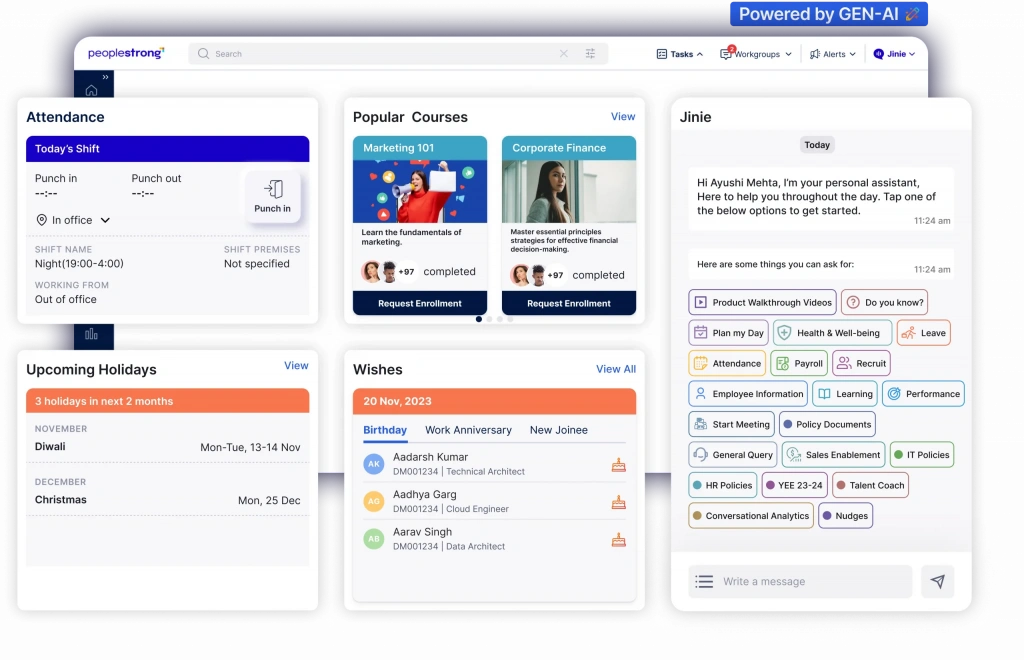
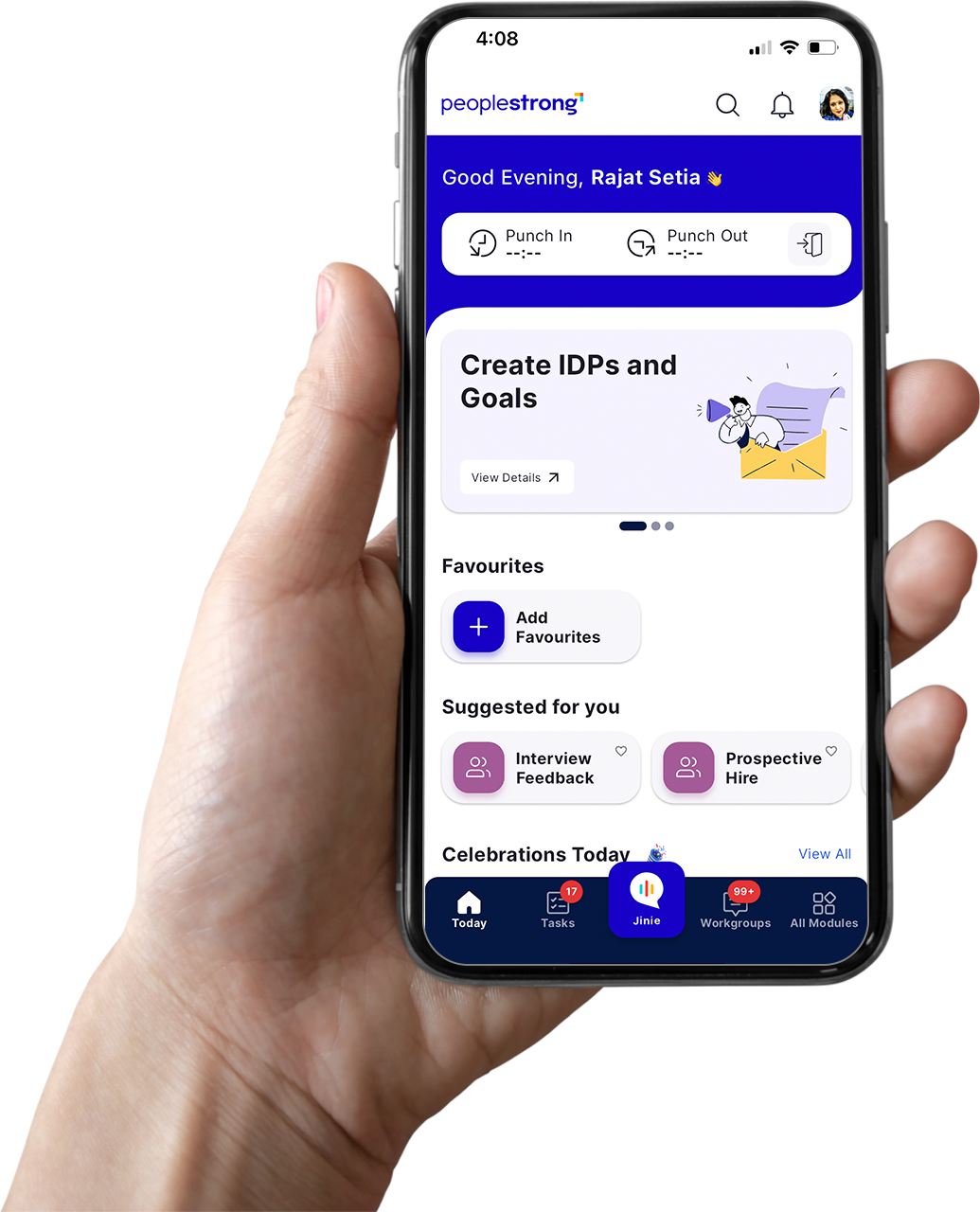
PeopleStrong is a good fit if your goal is to bring HR, payroll, workforce management, hiring, performance, learning, onboarding, and employee support onto one enterprise platform. For Indian enterprises, that matters because process gaps often show up between teams: hiring to joining, attendance to payroll, payroll to compliance checks, or policy questions to HR helpdesk load.
PeopleStrong currently serves 500+ enterprise customers, supports 2M+ employees across 10 countries, and has been recognised as a Gartner Customers’ Choice in HCM for 1,000+ employee enterprises for four consecutive years from 2022 to 2025. That matters because enterprise buyers are usually trying to reduce platform risk as much as feature risk.
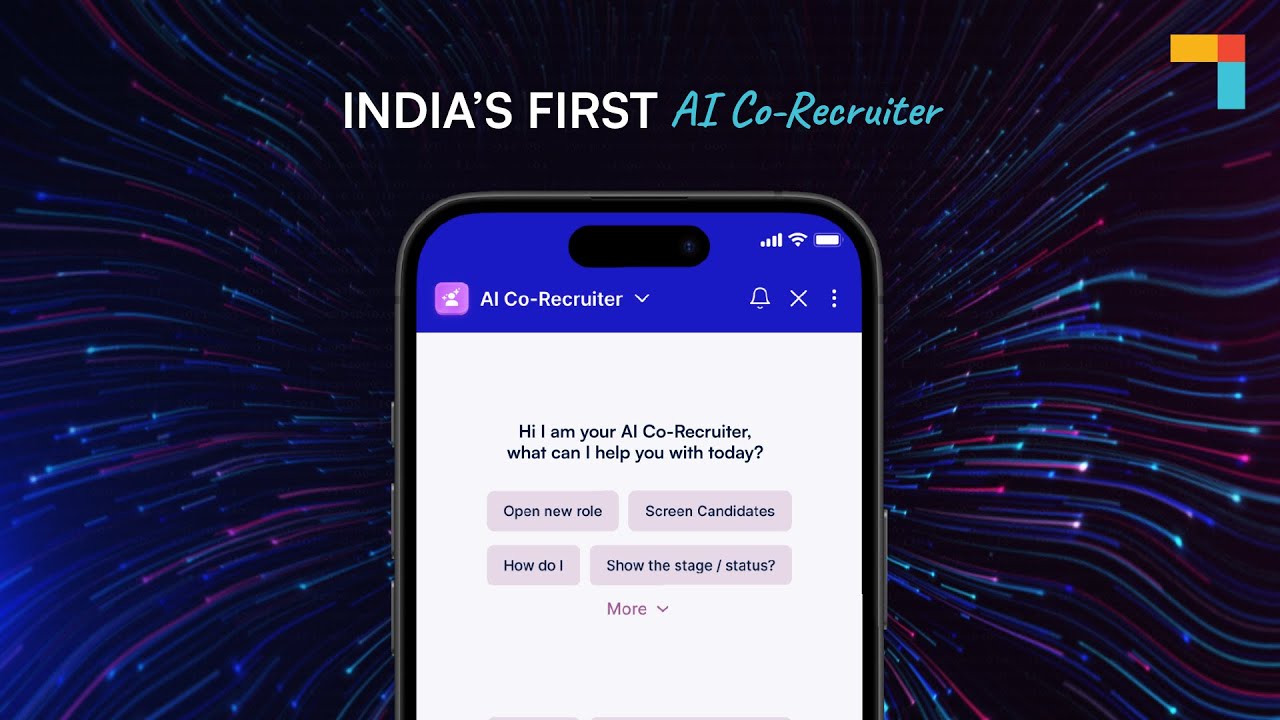
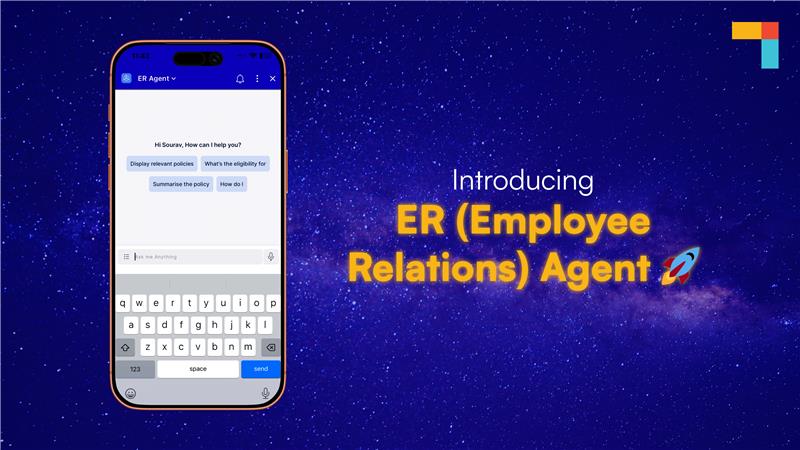
One clear differentiator is Jinie, PeopleStrong’s embedded HR AI agent. The value here is tied to a specific use case, not a broad AI pitch: handling employee HR queries around leave, payslips, policy questions, and similar routine requests, with a cited reduction of around 60% in HR admin load. For a large Indian workforce, that can improve service consistency and cut repetitive work for your HR team.
Features: Broad suite coverage across HR, payroll, workforce management, hiring, onboarding, performance, learning, and employee support, with India-ready depth for enterprise operations.
Ideal for: Enterprises in India that want one platform across HR, payroll, workforce management, hiring, and employee support without stitching together multiple products.
2. Workday
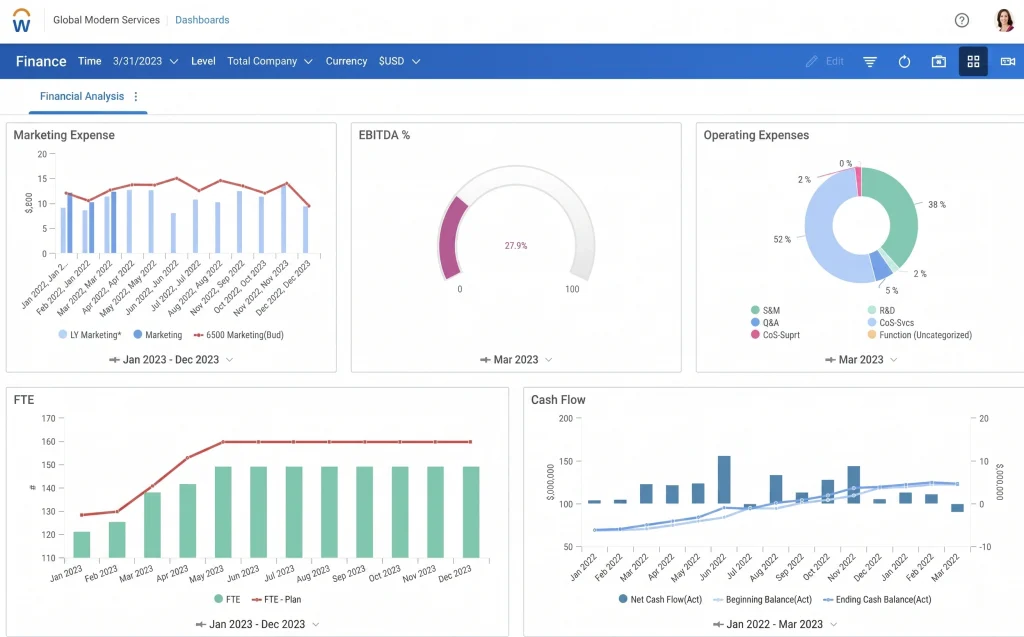
Workday is often shortlisted by large enterprises that want deep process coverage across HR, finance-adjacent workflows, and workforce planning. For buyers, the practical benefit is better support for large, structured operating models where standardisation and governance matter across countries and business units.
For Indian enterprises, Workday makes the most sense when India is one part of a wider multinational setup and the business wants consistency across countries. The trade-off is implementation effort. Platforms in this category often need more planning, partner involvement, and internal change management than regionally focused systems.
Features: Deep enterprise process coverage, broad configurability, and support for multinational operating models.
Ideal for: Large enterprises with multinational process needs and the appetite for a more involved enterprise rollout.
3. SAP SuccessFactors
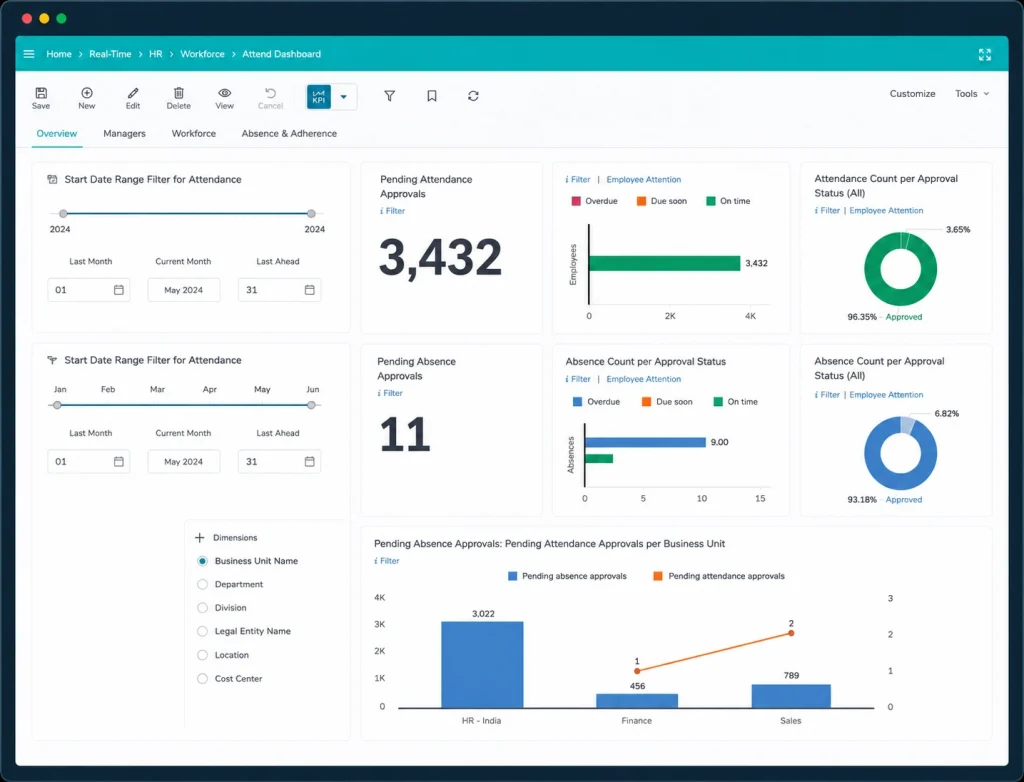
SAP SuccessFactors is a common option for enterprises that want strong HR depth within a larger enterprise software estate. For you, that can mean closer alignment between people processes and broader business operations when SAP already plays a major role in the wider stack.
In an India context, SAP SuccessFactors usually enters the shortlist when the decision is not only about HRMS comparison, but also about long-term platform standardisation across large business units. Buyers should assess how much capability they need right away versus how much complexity they are willing to manage across implementation and administration.
Features: Broad enterprise HR coverage, mature process support, and close alignment for organisations already standardising around SAP.
Ideal for: Enterprises with mature process structures, large transformation programmes, or existing SAP alignment.
4. Oracle Fusion Cloud HCM
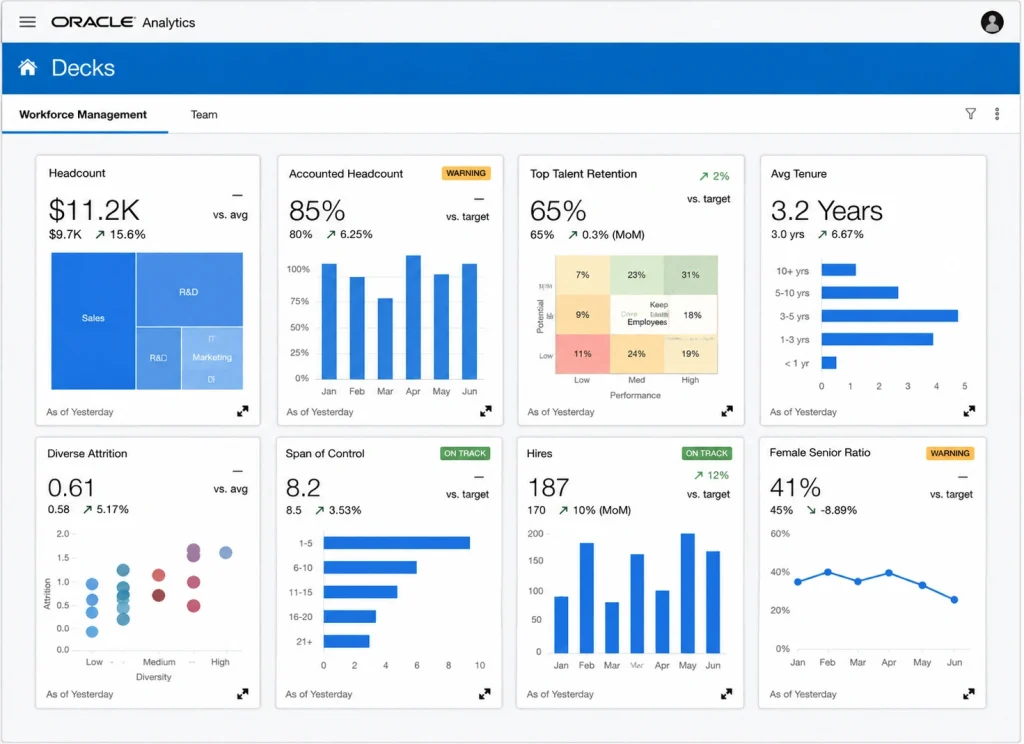
Oracle Fusion Cloud HCM fits enterprises that want HR on the same broad enterprise software footing as finance, ERP, and planning systems. This matters most when your CIO and finance stakeholders want fewer disconnected platforms and stronger control across master data, approvals, and reporting relationships.
For enterprise companies in India, Oracle is usually strongest where enterprise architecture is already a central buying factor. The key question is whether your organisation needs that level of enterprise systems alignment now, or whether a more focused HR platform would deliver faster time to value.
Features: Close fit with wider enterprise systems, especially where HR, finance, and ERP alignment matters to the buying decision.
Ideal for: Large enterprises with strong Oracle alignment or a major ERP-led transformation agenda.
5. ZingHR
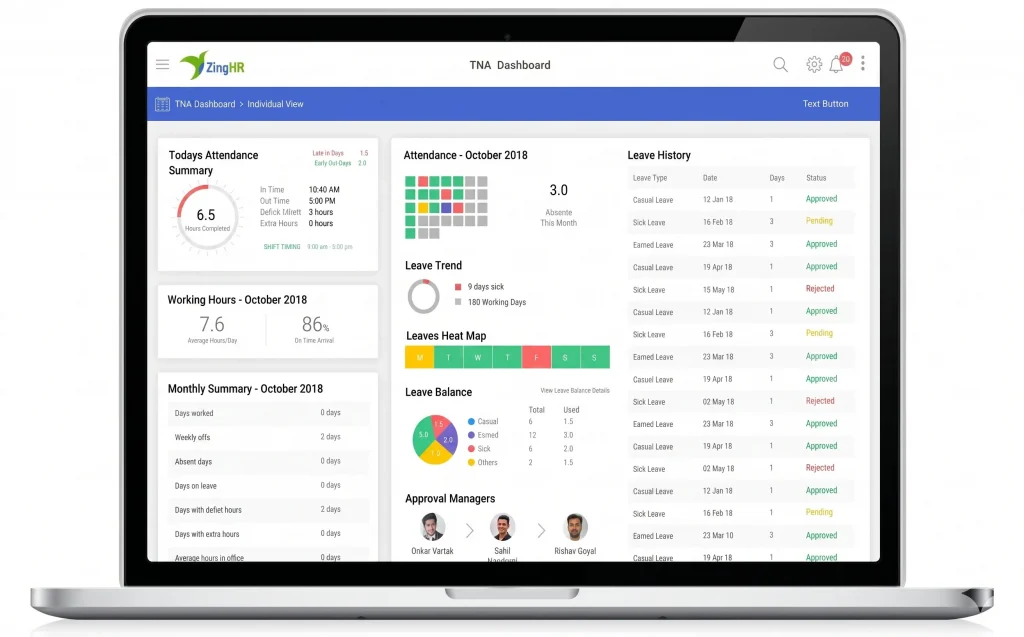
ZingHR is often considered by enterprises that want India-focused HR and payroll coverage with attention to workforce and operational realities. It can be relevant for companies with distributed teams, shift-based workforces, or heavy attendance management needs.
In this part of the market, the important evaluation criteria are payroll fit, workflow control, reporting depth, and how well the product handles the day-to-day volume of an enterprise environment. Buyers should test these areas using their own payroll scenarios rather than relying on generic demos.
Features: India-focused HR, payroll, and workforce coverage with relevance for attendance-heavy and operations-led environments.
Ideal for: Indian enterprises that prioritise payroll and workforce operations and want a regional platform approach.
6. Keka
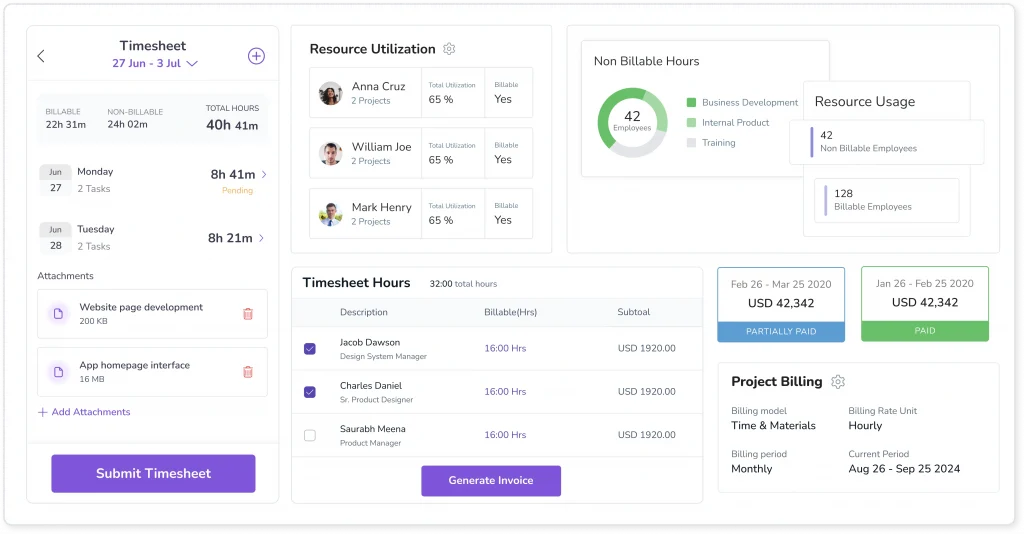
Keka is often shortlisted by growing companies that want a cleaner user experience and a step up from very basic HR tools. In India, it comes up often in conversations around payroll, leave, attendance, and day-to-day HR operations.
For enterprise buyers, the question is not whether Keka is usable. It is whether it will still fit once process complexity grows across entities, approval layers, reporting demands, and broader suite requirements. If your organisation is moving from a mid-sized operating model into enterprise depth, this is the right lens.
Features: Practical support for payroll, leave, attendance, and everyday HR administration, with strong appeal for companies moving up from simpler systems.
Ideal for: Growing companies or lower-complexity businesses moving up from simpler HR tools.
7. greytHR
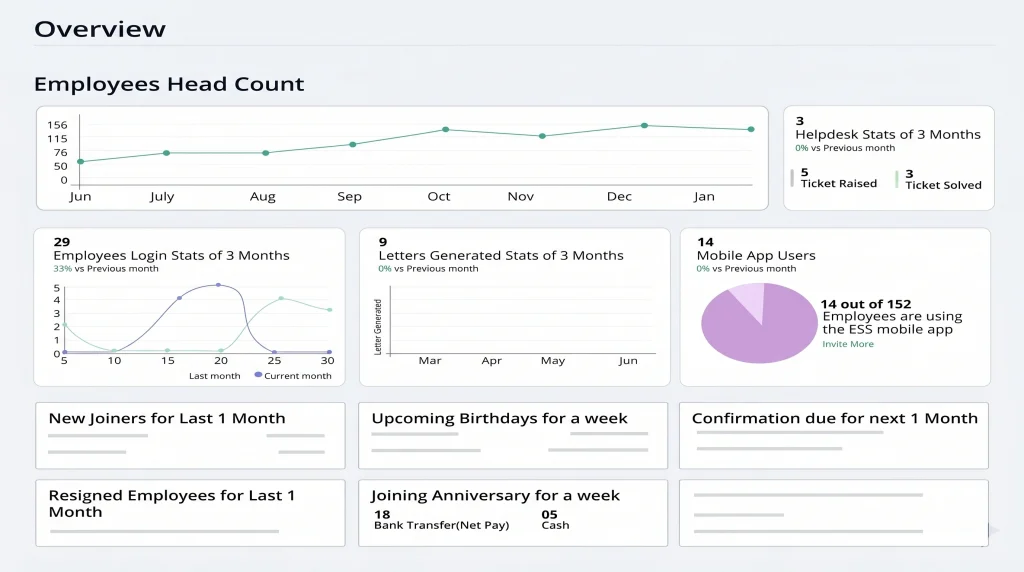
greytHR is frequently assessed by organisations that want a straightforward route to payroll and HR administration in India. It is well known in the market and can make sense where the immediate goal is to improve payroll and employee record handling without a large platform shift.
For enterprise companies, the key is to test whether the platform can support your future-state requirements, not only your current administration load. If analytics, advanced HR processes, broader suite depth, or heavier integration needs are already on the roadmap, those should be part of the shortlist discussion from day one.
Features: Practical payroll and HR administration support with strong familiarity in the Indian market.
Ideal for: Companies that want a practical HR and payroll base and have relatively contained process complexity.
8. Zoho People
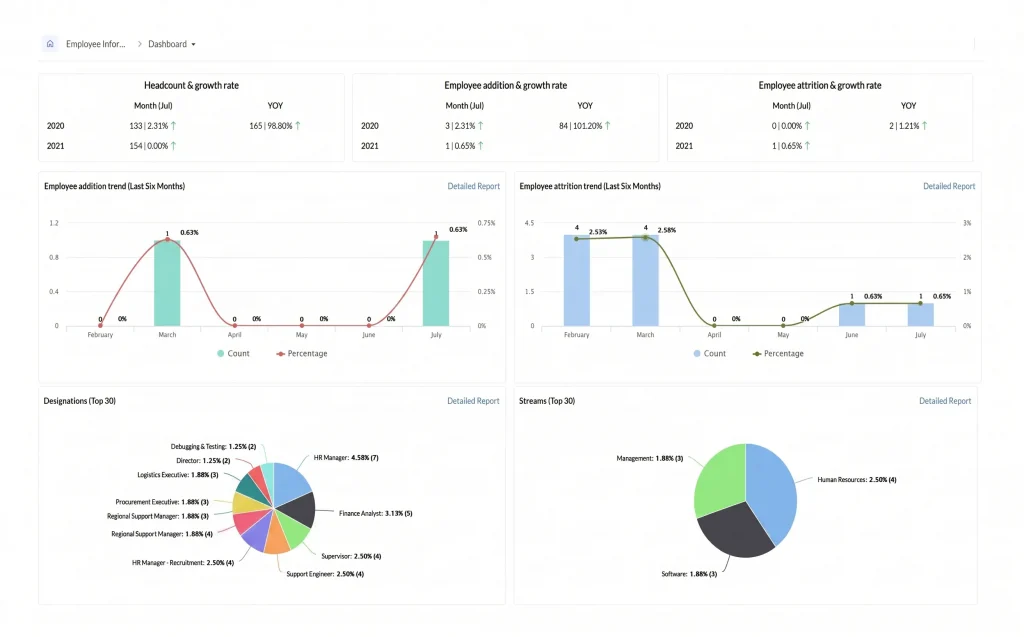
Zoho People tends to enter the conversation when buyers want an accessible HR platform with workflow flexibility and connections to a wider business software set. It can be relevant for companies already using other Zoho applications or those trying to improve process digitisation without moving straight into large enterprise suites.
For enterprise HRMS evaluations in India, the main issue is fit by scale and operating complexity. A product may work well for structured workflows and routine HR tasks while still being less suited to the needs of a large, multi-entity enterprise.
Features: Flexible workflow setup and links to a wider business software environment for structured HR processes.
Ideal for: Growing businesses or upper mid-market teams that want workflow flexibility and a broader business software context.
Which option fits which enterprise scenario
A shortlist gets clearer when you tie each option to a buying situation instead of forcing every platform into one generic scoring model.
| Scenario | Most Natural Fit | Why |
| You want one platform for HR, payroll, hiring and employee support | PeopleStrong | It covers broad enterprise needs in one India-ready suite |
| You need global operating model depth | Workday | It is built for large, structured multinational environments |
| You want strong HR depth within an SAP estate | SAP SuccessFactors | It aligns well with broader SAP-led transformation programmes |
| HR must sit close to ERP and finance systems | Oracle Fusion Cloud HCM | It suits enterprises where architecture alignment drives the choice |
| Payroll and workforce coverage in India comes first | ZingHR | It is often considered for workforce-heavy Indian operations |
| You are moving up from a smaller HR tool | Keka | It suits companies improving usability and day-to-day HR operations |
| You want a payroll-led base with simpler scope | greytHR or Zoho People | Both can fit lower-complexity environments, depending on workflow needs |
How to evaluate an enterprise HRMS shortlist in India
A strong shortlist can still struggle in rollout if the buying team treats implementation as a vendor task rather than a business change programme. In enterprise HRMS projects, a few areas usually shape the outcome more than buyers expect.
Process design before configuration
Do not carry every historical workflow into the new platform by default. Start by identifying which approvals, exceptions, and reporting structures truly matter. This cuts implementation drag and helps your team avoid rebuilding old friction inside a new system.
Payroll and attendance scenario testing
In India, payroll fit should be tested with real cases. Use actual earning structures, leave interactions, attendance patterns, reimbursements, arrears, and multi-location policy variations from your organisation. A polished demo is useful, but it will not expose edge cases that matter at scale.
Integration ownership
HR software decisions often stall because integrations are treated as a later phase. Clarify early which systems need to connect on day one, who owns those connections, how data will be governed, and which reporting outputs the business expects. This matters even more if your finance, ERP, or identity stack already has strict standards.
Change management for managers and employees
The system only cuts admin if people use it as intended. Give line managers clear process training, define employee self-service expectations, and agree escalation routes before launch. Embedded support can help here. In PeopleStrong’s case, Jinie handles common employee queries directly, which can reduce the volume landing with HR teams.
Drawbacks to watch for and how to mitigate them
No enterprise platform is perfect in every area. A credible evaluation looks at likely trade-offs early, then tests them directly.
Broad suites can take longer to implement
Platforms with wide process coverage can require more planning, cleaner data, and stronger change management.
How to mitigate: Prioritise the workflows that matter most in phase one, agree success criteria early, and avoid carrying every legacy variation into the new design.
Global platforms can exceed what an India-first rollout needs
Workday, SAP SuccessFactors, and Oracle Fusion Cloud HCM can be strong fits for multinational or architecture-led decisions, but they may involve more implementation effort than an India-first programme requires.
How to mitigate: Be clear about whether your primary need is India execution, multinational standardisation, or enterprise systems alignment. That keeps the shortlist matched to your actual decision.
Mid-market products may not fit enterprise complexity over time
Keka, greytHR, and Zoho People can suit specific growth-stage needs, but enterprise teams should test future-state requirements as carefully as current ones.
How to mitigate: Use demos and workshops built around your approval layers, reporting demands, integration needs, and multi-entity structure, not only routine HR tasks.
A unified platform still needs careful process design
PeopleStrong’s breadth helps when you want one system across HR, payroll, hiring, and support, but it still needs disciplined rollout planning to deliver the intended value.
How to mitigate: Define the operating model first, map cross-functional handoffs early, and test employee support, payroll, and manager workflows using real enterprise scenarios before launch.
How to build your final shortlist without overbuying or under-scoping
The easiest shortlists are often the least useful. If you compare every platform on generic headings, the result can look balanced while still missing your real decision factors.
A better approach is to score each option against the operating conditions that will shape success in your business.
| Decision Factor | Questions to Ask |
| Payroll Fit | Can it handle your actual salary structures, attendance rules and approval paths in India? |
| Suite Breadth | Do you want one platform across HR, hiring, payroll and employee support, or a narrower scope? |
| Enterprise Scale | Will it still fit after growth, restructuring or new business units? |
| Integration Needs | How closely must HR connect with finance, ERP, identity and reporting systems? |
| Workforce Complexity | Do you manage frontline, shift-based or multi-location workforces? |
| Time to Value | Do you need a focused rollout, or can you support a large transformation programme? |
From there, build a shortlist in three layers:
- Core fit: Eliminate platforms that do not suit your company size, operating model, or implementation appetite.
- Scenario fit: Match each remaining platform to your most important business scenario.
- Proof fit: Validate with demos built around your real processes, not generic workflows.
For many enterprise companies in India, this process usually brings the shortlist down to three practical routes:
- PeopleStrong if you want broad enterprise HR, payroll, hiring, and workforce capability in one India-ready platform.
- A global suite if your main need is multinational process depth or close enterprise systems alignment.
- A mid-market step-up option if your complexity is growing but still below full enterprise depth.
The right choice depends less on headline features and more on fit across payroll complexity, integration needs, workforce mix, and rollout model. Review PeopleStrong’s Core HR Platform using your own attendance, payroll, and employee support scenarios.
FAQs
Which is the best fit for enterprise companies comparing HRMS options in India?
The best fit depends on your operating model, but PeopleStrong is a good choice for enterprise companies that want HR, payroll, hiring, and employee support on one platform. Global suites such as Workday, SAP SuccessFactors, and Oracle Fusion Cloud HCM are more relevant when multinational depth or ERP alignment leads the decision.
How many platforms should I include in an enterprise HRMS comparison?
Three to five serious options is usually enough for an enterprise HRMS comparison. That gives your team enough range to compare approaches without turning the process into a long vendor directory exercise.
Should payroll lead the evaluation for enterprise companies in India?
Yes. Payroll should be one of the first evaluation areas for enterprise companies in India. If a platform cannot handle your real payroll, attendance, and approval scenarios, strengths in other areas will not remove the operational risk.
Are mid-market HR tools suitable for large enterprises in India?
Some can be suitable for specific use cases, but large enterprises should test them carefully against scale, process depth, and integration requirements. A tool that works well for a growing company may not support a more complex multi-entity environment over time.
What should I ask for in a product demo before finalising a shortlist?
Ask vendors to show your own workflows, including payroll edge cases, multi-level approvals, integrations, and employee self-service journeys. That will tell you much more than a standard demo built around generic HR tasks.