











 About Us
 Brand
 Career
 Contact Us



 +91-7314623098


What is the hiring process? Meaning & Definition
The hiring process is a systematic and organised procedure that organisations follow in order to detect, assess, and employ new talents. It starts with the identification of the vacancy and ends when the selected candidate begins to work. A good hiring system matches recruitment objectives with the overall corporate strategy of the organisation in order to make the process effective and law-abiding.
Key Hiring Process Steps
- Job Requisition and Analysis: Determine the headcount need, what’s required, and develop a job description.
- Sourcing and Attraction: Post the vacancy on job boards, networks, career pages, and within the company.
- Screening and Shortlisting: Use an ATS to shortlist candidates based on their application.
- Assessment and Interviewing: Conduct interviews and assessments with relevant parties to hire the best candidate.
- Reference Check: Background and reference checks are also carried out.
- Offer Generation: An offer letter is generated and sent to the selected candidate.
- Onboarding: The new joiner is then guided through the IT/data setup and induction process. They are also briefed about the benefits and packages admissible to them.
How long should the hiring process take?
The time needed to complete the hiring process steps described above varies depending on the vacancy type and can range between 20-45 days. Most organisation hire entry-level and volume staff faster compared to speciality and executive positions. However, technology has helped the recruitment process to become faster as most of the above steps are automated.
How do you create a personalised hiring process?
- Candidate Journeys Map: Adapt communication according to applicants’ job level, department, and communication preferences.
- Branded Portals: Develop custom portals for candidates where they can check their hiring status in real-time.
- Customised Evaluation: Customise practical tests of knowledge and abilities to the specific nature of the work in question.
- Direct Communication: Give timely feedback to candidates during recruitment in order to gain their trust and develop employer branding.
- Personalised Onboarding Messages: Welcome candidates and introduce them to the team and training schedule before the actual starting date.
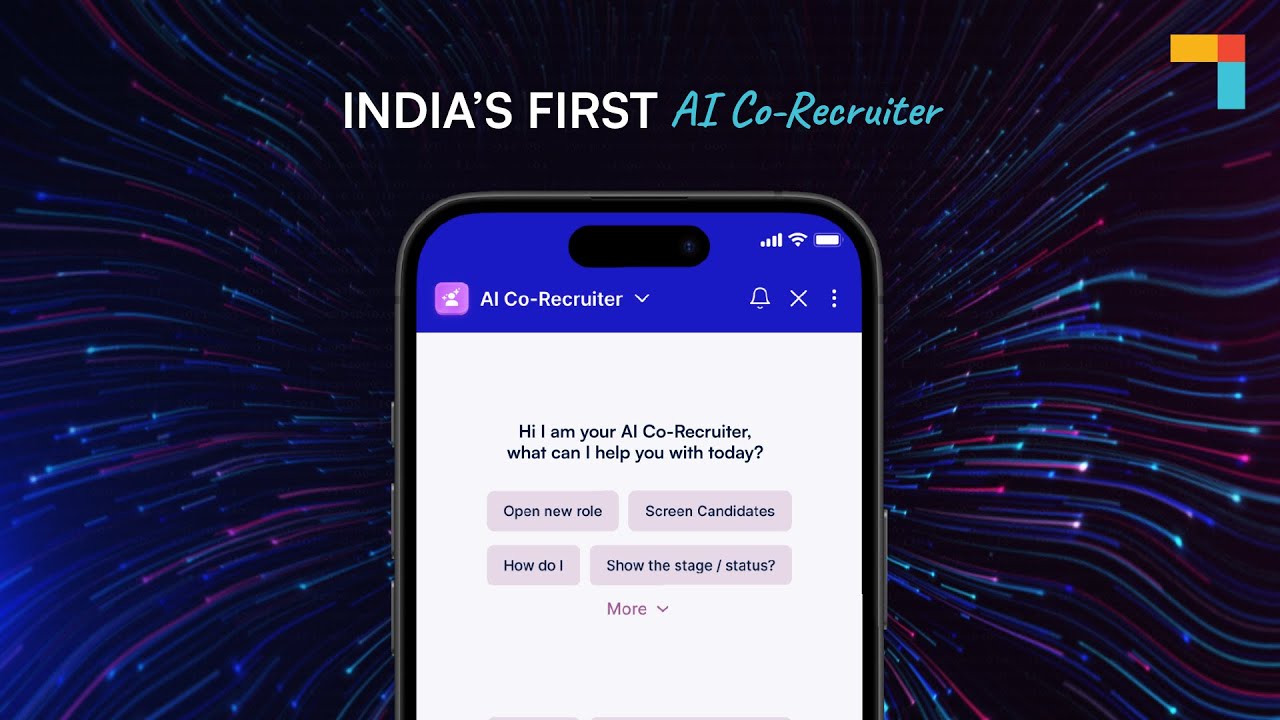
Simplify candidate sourcing, automate hiring workflows, and manage recruitment activities efficiently with PeopleStrong Recruitment Software.