










 About Us
 Brand
Brand
 Career
 Contact Us



 +91-7314623098




Indian organizations are operating in a moment when several forces are colliding. Geopolitical uncertainty is reshaping supply chains and hiring decisions. New labour codes are reshaping how companies approach wages, compliance, and worker protections.
At the same time, generative and agentic AI are quietly altering where value is created, pushing routine execution into the background and elevating judgment, coordination, and trust. This is not a single disruption. It is a structural shift in how work gets designed and managed.

What makes this moment different is agency. PwC finds nearly 70% of employees believe they have moderate or high control over how technology will affect their work, which reads less like complacency and more like expectation.
For HR leaders in India, that expectation is the crude instrument of change. Compensation, upskilling, and career design must become tools that unlock agency rather than props that paper over anxiety.
The next year will not be about resisting disruption but about wiring systems so that disruption becomes a norm. Today, we’ll talk about the seven workforce management trends that will reshape India’s workforce in 2026.
Top Workforce Management Trends Redefining India’s New Workplace
India’s workforce is entering a period of rapid reinvention powered by AI adoption, tighter labour regulations, and shifting employee expectations. These workforce management trends reveal how enterprises will operate, compete, and build resilience in the years ahead.
Let’s get into it:
1. Workforces Will Be Reshaped, Not Just Reskilled
Companies are finally admitting that training alone will not fix a mismatch between work as imagined and work as done.
Roles designed around org charts and annual job descriptions are bending under the weight of AI, cross-functional projects, and a generation that expects to plug in and produce.
That matters for India because redesign scales decisions, not just headcounts.
Look at the playbooks already in use. Spotify moved to autonomous squads so product work happens through mission-driven teams rather than rigid hierarchies.
Microsoft has leaned on Copilot to remove administrative drag and reallocate HR time to higher-value people’s work. Walmart is deploying real-time AI tools to let store associates take on richer tasks that were once off-limits to front-line staff.
In India, firms are pairing learning platforms such as Peoplestrong with project-first deployment policies to keep people billable and learning on the job. These are not isolated proofs of concept. They are signals that the operating model is the upgrade, and skills are the currency that flows through it.
For HR leaders, this means three practical moves:
- Map work by outcome and frequency, not by job title.
- Create modular role bundles that teams can assemble for a project.
- Finally, treat on-the-job stretch assignments as the primary pathway for skill validation.
2. HR Tech Maturity Moves from Background to Boardroom
For the longest time, HR tech lived in the shadows of enterprise IT. Leaders cared about it only when something broke or when a compliance deadline loomed. But now, the boards want decisions grounded in real-time data. It is no surprise that companies are pruning their toolkits and betting on platforms that reduce complexity.
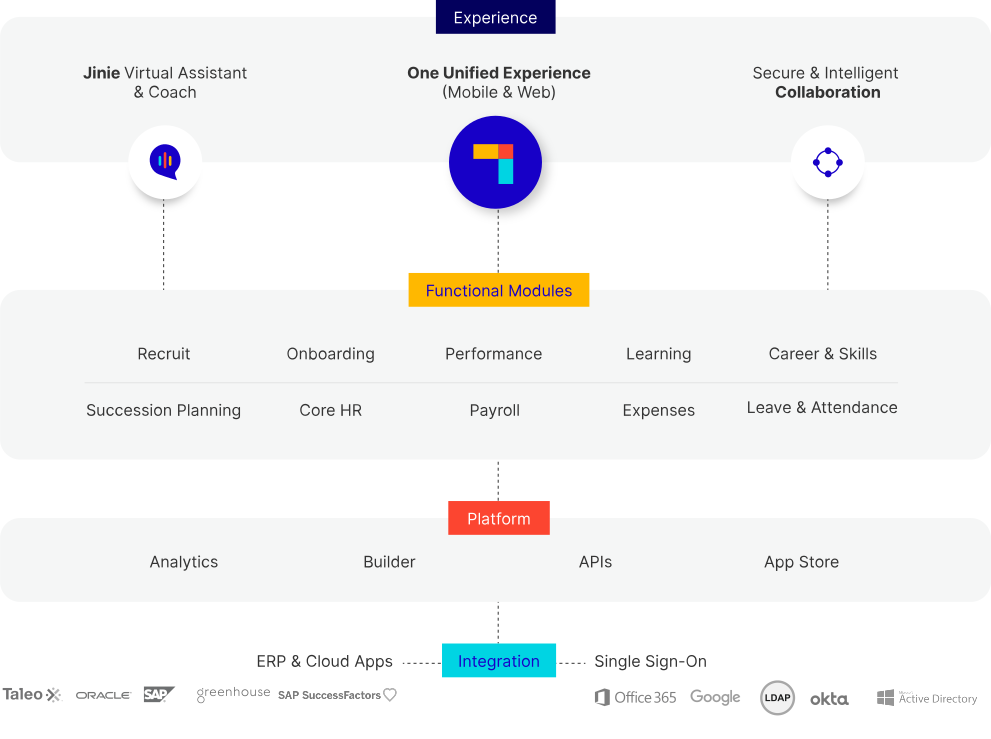
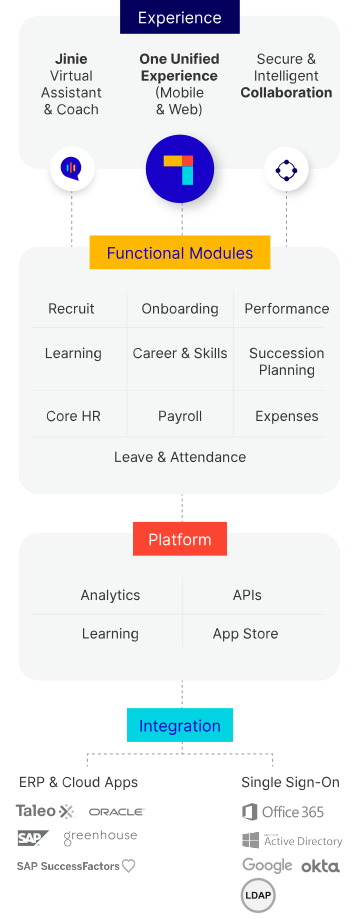
PeopleStrong is a telling example of this shift. The platform has slowly become the quiet backbone for large enterprises that want a single system to manage hiring pipelines, workforce data, performance cycles, and payroll without creating yet another digital island.
For instance, during one of the largest airline mergers in India, payroll became the stress test for the company. PeopleStrong stepped in as the consolidation layer and processed more than twenty-three thousand paychecks a month with six sigma accuracy while collapsing fragmented legacy systems into a single platform. The merger stayed on schedule because the payroll process could scale with the organisation instead of resisting it.
The takeaway for leaders is simple here. HR teams with mature stacks accelerate because their information is clean and their workflows are coherent.
Companies without that foundation spend more time reconciling. In a year where AI keeps rewriting the rulebook, slow HR tech is no longer a benign inconvenience. It is strategic debt.
3. AI Agents Become Everyday Work Companions
The conversation about AI tends to swing between utopian productivity and catastrophic job loss, yet workers themselves are signalling something more grounded.
PwC’s survey shows that positive and negative emotions about AI sit almost evenly at fifty percent, which tells us employees are not trapped in fear or hype. They are assessing whether AI actually removes friction from their day rather than adding another layer of complexity. That is the part CXOs should pay closest attention to.
AI agents will not arrive as dramatic substitutes for human roles. They will settle into the background as patient coworkers who handle the work that takes an inordinate amount of time.
As these agents become more commonplace, their real impact will be less about speed and more about reallocation. Work will quietly reorganise itself around judgment, context, and accountability, the things machines still cannot own. Managers will be expected to intervene earlier, not because AI tells them what to do, but because it clears enough space for them to actually see what is happening.
Human intelligence moves up the stack, away from coordination and toward sense-making, trust-building, and decision-making under uncertainty. The organisations that benefit most will not be the ones that automate aggressively, but the ones that are deliberate about where human attention is preserved and why it matters.
4. Compliance Turns Preventive, Not Reactive
Recently, India’s new labour codes signalled that the era of forgiving compliance is over. With wage definitions tightened and payout timelines now measured in days rather than months, companies no longer have the luxury of cleaning up mistakes after an audit. The future belongs to systems that assume complexity and correct it before it reaches a worker’s payslip.
These codes also force HR teams to rethink payroll, attendance, benefits, and workforce classification as continuous processes rather than monthly checkpoints. That shift will push enterprises toward platforms where compliance is baked into every workflow.
Organisations with real-time controls will move through regulatory transitions without disruption while everyone else scrambles to retrofit policies at scale. Preventive compliance becomes the foundation, not the safeguard, because the cost of being late now outpaces the cost of being right from the start.

Suggested Read:
A Complete Guide to India’s New Labour Codes 2025: Wages, Compliance & Social Security
5. Energy Management Becomes the New Productivity Model
There is a growing recognition across industries that exhaustion is no longer an individual issue. It is a business risk hiding in plain sight. Safety researchers are already calling fatigue a “silent epidemic” because it clouds judgment, reduces situational awareness, and increases human error.
That insight is not limited to oil rigs or factory floors. It applies just as much to product teams, sales organisations, and managers who spend entire weeks running on fragmented attention.
The next phase of talent management strategy will shift from praising endurance to engineering environments where people can sustain performance without burning out. CXOs are beginning to see energy as a measurable resource that needs planning in the same way they plan budgets or sprints.
Companies should expect to invest more heavily in:
- Workload models that distribute peaks so no team is permanently overloaded
- Capacity planning that reflects actual effort and not optimistic forecasts
- Technology that reduces administrative drag for managers who need time to lead
- Early warning signals that identify burnout risk before it becomes attrition
6. Employee Advocacy to Bridge Talent Gaps
Indian employers are discovering that the most influential voice in recruitment is no longer the corporate brand. It is the employee who posts a day-in-the-life reel or answers a candidate’s question with disarming honesty.
PeopleScout’s research shows that 86% of candidates value stories from real employees, and this single stat explains why traditional employer branding is losing its monopoly. Candidates are looking for evidence, and they trust experiences that feel lived rather than curated.
This shift puts pressure on organisations to close the gap between what they say and what employees actually feel. In India’s competitive talent markets, advocacy will rise naturally only when work friction drops meaningfully. Here are a few things that companies can do to form stronger advocacy:
- Fix onboarding delays, payroll errors, and attendance glitches that quietly erode trust
- Equip managers to communicate clearly across distributed teams
- Spotlight authentic employee stories without heavy scripting
- Use mobile-first tools to give voice to frontline and gig workers
- Treat negative employee feedback as an insight engine for improvement
These steps will help you make advocacy a byproduct and not a campaign. And in a market with widening talent gaps, that authenticity works faster than any ad spend.
7. Human-Centric Leadership Makes Its Comeback
As AI absorbs more routine work, the centre of gravity in leadership is shifting back to the one thing technology cannot replicate: the ability to understand people. The data makes this impossible to ignore.
A Harvard Business Impact Enterprise study found that nearly 45% of employees experience stress and burnout every week, and that single statistic explains why talent resists change even when strategy is sound. People cannot innovate, collaborate, or think critically when they are running at emotional deficit.
Human-centric leadership is returning not as a feel-good philosophy but as a performance requirement. Indian teams now expect leaders who communicate with clarity, coach with intent, and show care in moments that matter. AI can automate coordination, but it cannot build trust or create belonging at scale.
How PeopleStrong Enables India’s Workforce Shift
The shifts reshaping India’s workforce demand platforms that can absorb complexity, unify data, and scale human impact without slowing the business down. This is where PeopleStrong has quietly become the operating system for many large enterprises across Asia.
With over 2 million employees on the platform and consistent recognition as Gartner Customers’ Choice, the company sits at the intersection of technology maturity and real-world workforce transformation.
PeopleStrong enhances these workforce shifts in three meaningful ways:
- A single platform for a fluid workforce: As roles evolve into project-based, outcome-driven structures, PeopleStrong’s HCM, talent, and workforce management modules give leaders a consolidated view of skills, availability, performance, and growth pathways.
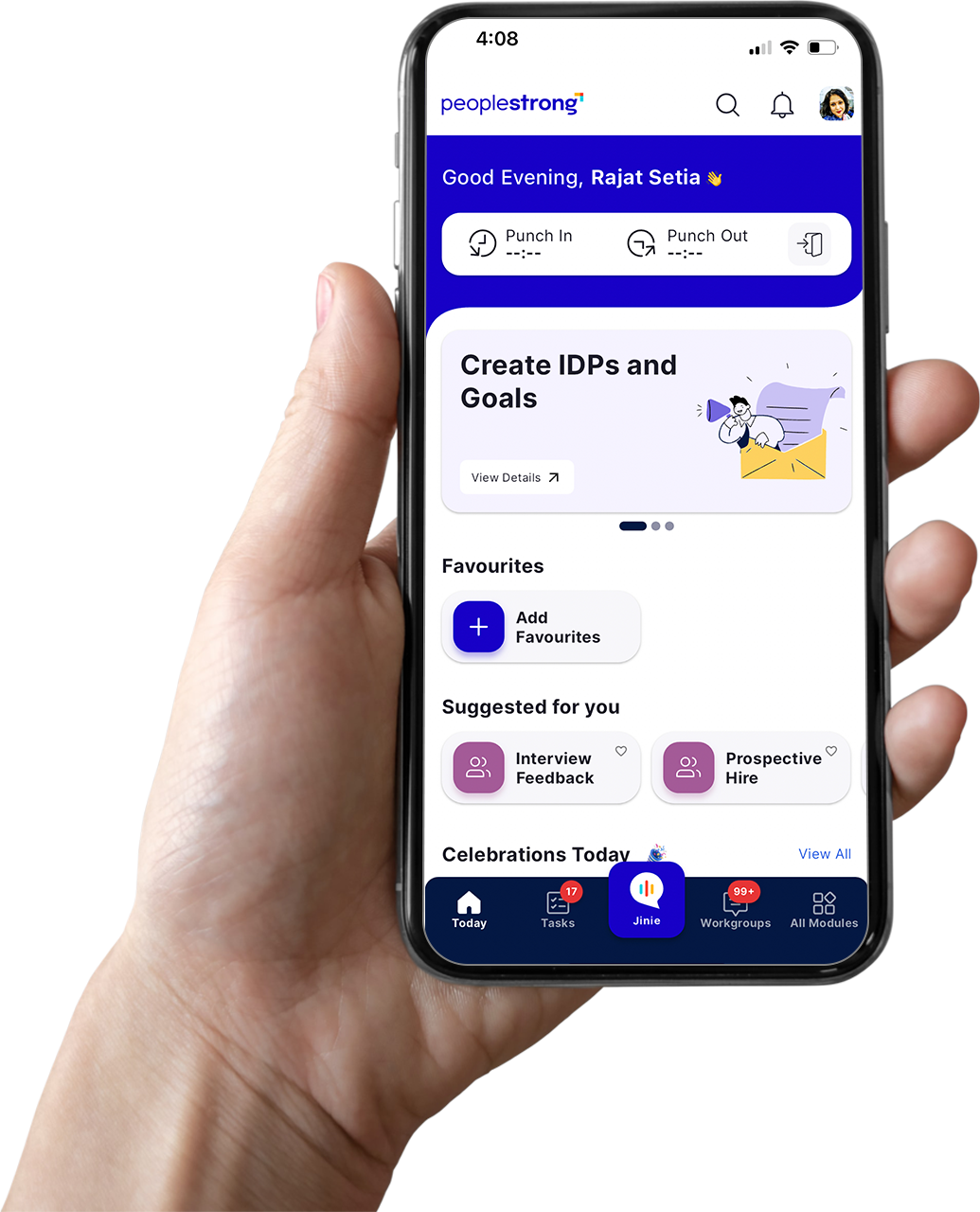
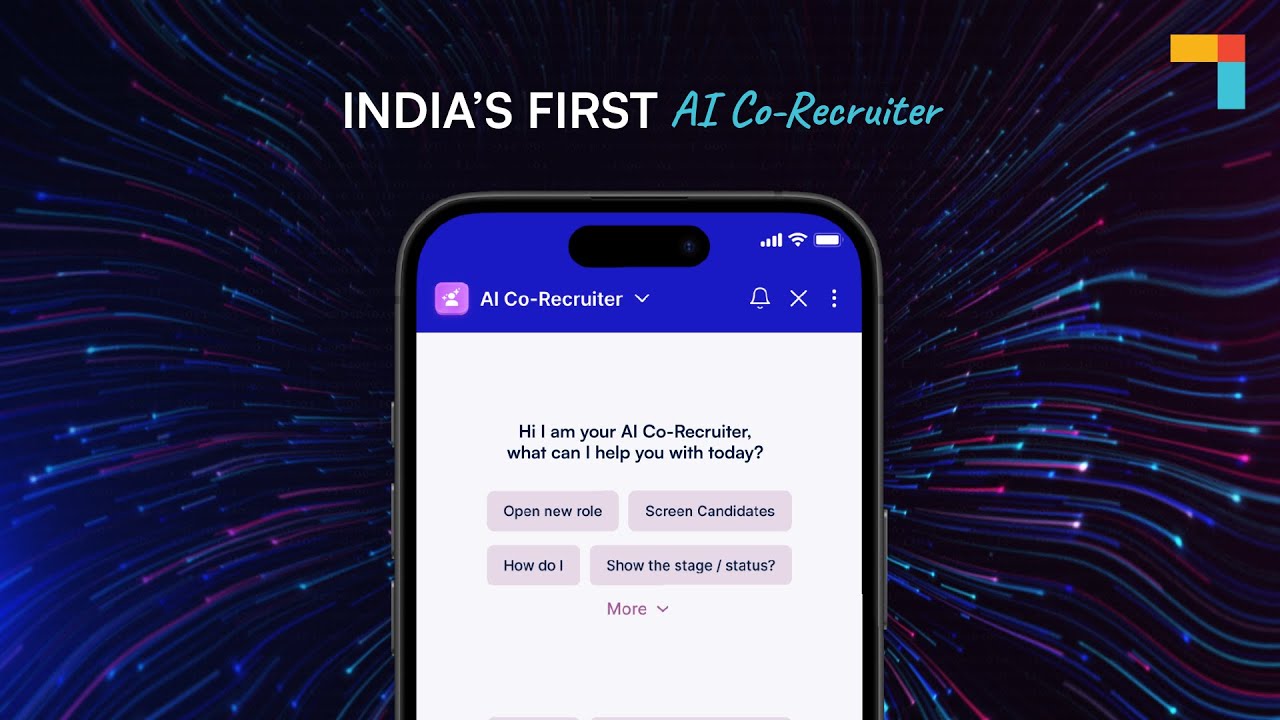
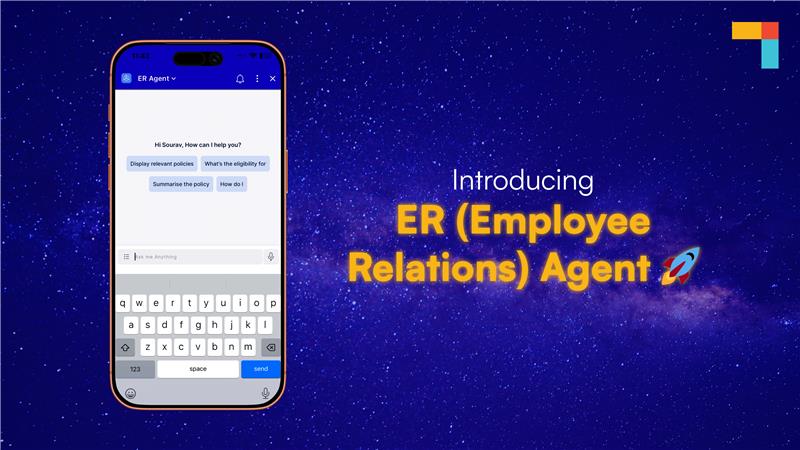
- AI that removes friction, not control: From AI Co-Recruiter to the ER Agent and Jinie chatbot, PeopleStrong automates coordination and query resolution so HR teams can focus on judgment, coaching, and meaningful interventions.
- Built-in compliance and resilience at enterprise scale: With India’s new labour codes reshaping payroll and workforce classification, PeopleStrong’s payroll engine and policy workflows offer real-time accuracy.
Final Thoughts
India’s workforce is evolving faster than most organizations are prepared for, and the companies that win will be the ones that redesign their systems before disruption forces their hand.
The seven shifts outlined above are not trends to watch but imperatives to act on.They demand cleaner data, smarter automation, human-centred leadership, and infrastructure that can scale with ambition.
If you’re ready to build a future-ready workforce, it’s time to explore what PeopleStrong can do for your organization. Let’s talk!

FAQs
How should organisations decide which workforce changes to prioritise?
Start with the biggest friction points such as slow workflows, compliance risks, or outdated tools, then phase in AI, role redesign, and leadership shifts based on real-time workforce data.
What challenges might companies face while adopting these trends?
Key hurdles include legacy tech, data silos, manager resistance, and limited change-management skills. Aligning compliance, performance, and talent systems can also be difficult.
How can SMEs adopt these shifts with limited budgets?
SMEs can use scalable cloud HR tools, automate routine tasks, upskill selectively, and deploy low-cost AI assistants. The goal is agility, not enterprise-level complexity.