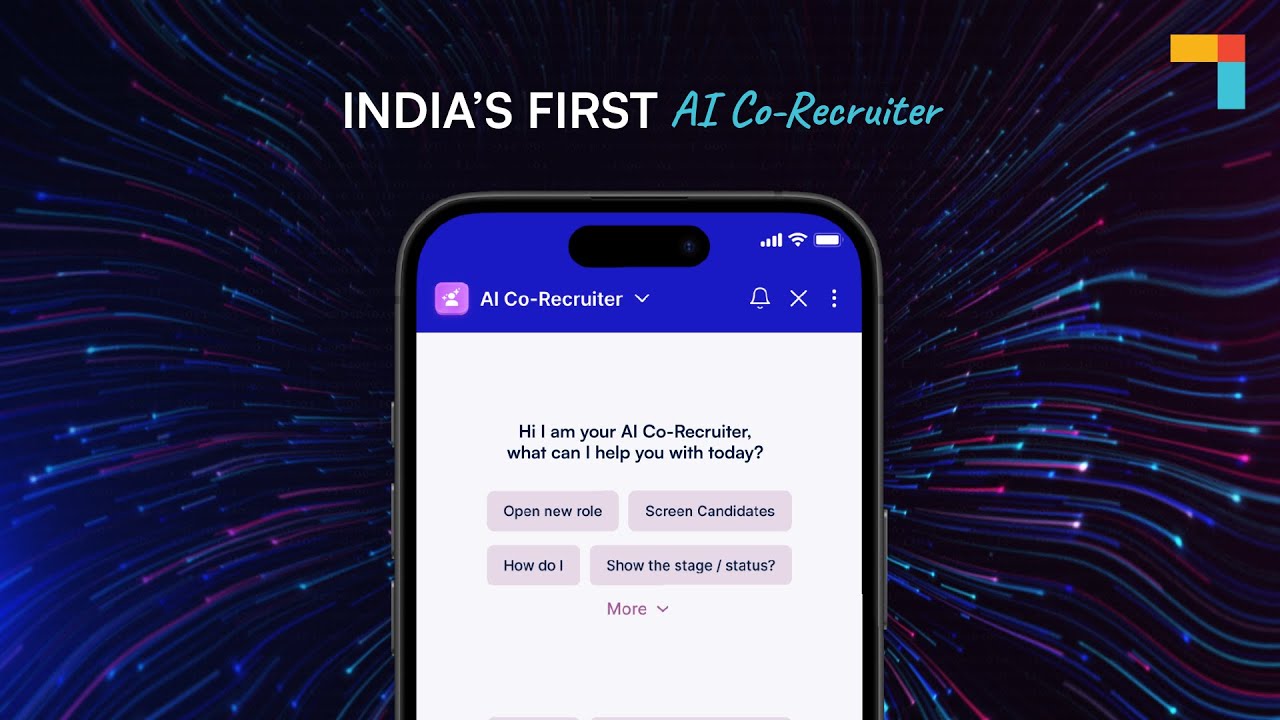
Win the war for talent, without an army of recruiters.
Accurate, compliant, and automated workflows — from punch to payroll.
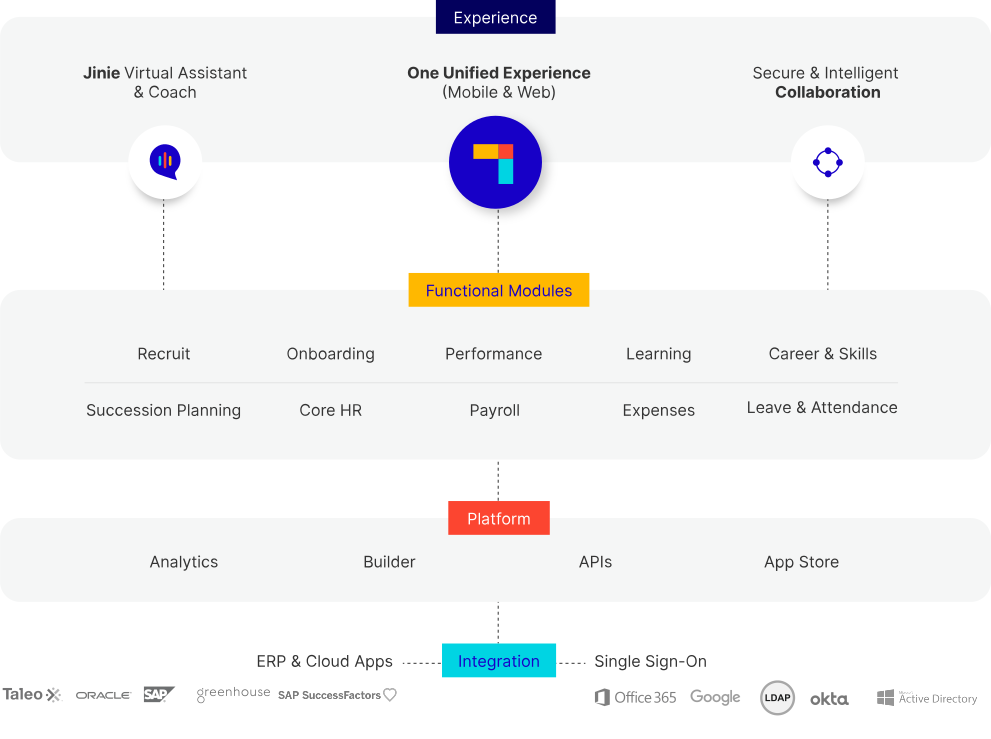
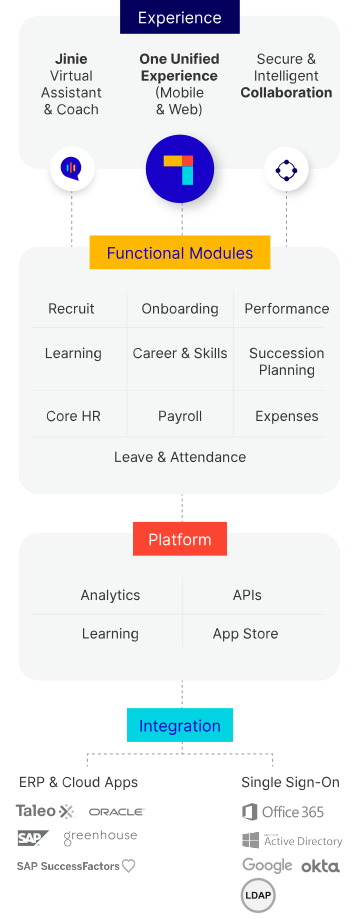
A comprehensive HR tech suite to help you leverage data, processes, and insights to create seamless employee experiences.
Recruit
Powered by MAAX
Hire smarter, to hire the best
OnboardingMake their first experience a delight
Core HRTake control of your people strategy
PayrollRoll the pay, with 100% confidence
Payroll ServicePayroll outsourcing you can
rely on
Punch-in to modern workforce management
Performance Powered by AIBuilding efficient performance culture
Learning Powered by AIBuilding capabilities for agility
Career & Skills Powered by AIIdentify skill gaps & execute talent programs
Succession PlanningBuild robust talent pipeline for critical positions
CompensationFacilitate growth with the right compensation
AnalyticsTurn HR data into actionable insights
CollaborationUnite across teams, departments & time zones
Travel & ExpenseSpend management built for the world of work
Unleash the true potential of your workforce to drive agility and growth.
Recruit
Powered by MAAX
Hire smarter, to hire the best
OnboardingMake their first experience a delight
Performance Powered by AIBuilding efficient performance culture
Compensation
Learning
Powered by AI
Facilitate growth with the right compensation
Building capabilities for agility
Career & Skills Powered by AIIdentify skill gaps & execute talent programs
Succession PlanningBuild robust talent pipeline for critical positions

Ship apps, build reports, update workflows, and integrate — all without
code.


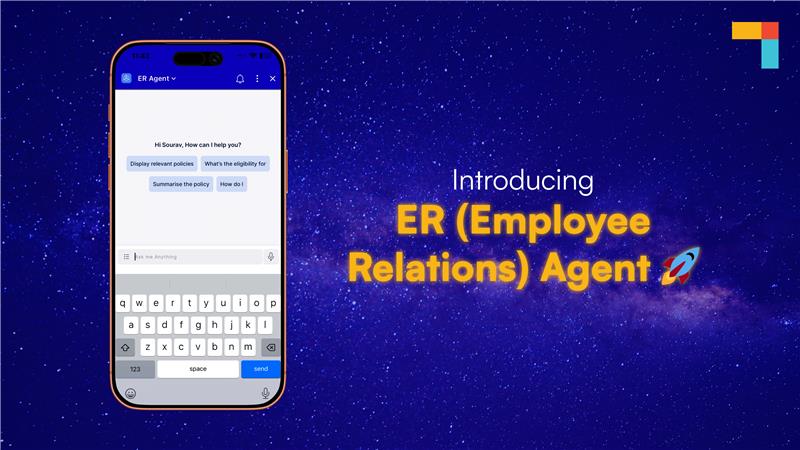
Multi-Agent Architecture Driven Experience.







Success Stories
How top enterprises drive impact with PeopleStrong

Implementation
Fast, secure, and scalable deployments

Support
Expert assistance to keep you moving
HDFC ERGO empowered its
11,000+ Last Heroes with PeopleStrong
11,000+ Last Heroes with PeopleStrong
Sudakshina Bhattacharya,
President & CEO
President & CEO



×
 About Us
 Brand
Brand
 Career
 Contact Us

Blogs
Insights on the evolving world of work

Ebooks & Whitepapers
Your library for HR, Talent & Pay insights

Case Studies
How top enterprises drive impact with PeopleStrong

Webinars
Our perspective on the world of work

Compare PeopleStrong
what makes PeopleStrong better than competitors

Glossary
HR terms, simplified

Interactive Demo
Experience PeopleStrong in action

News
Latest updates & press

Podcasts
Real & relatable HR stories
 +91-7314623098


 By Size
 Fast Growing Businesses
 Enterprises
 By Industry
 BFSI
BFSI
 Retail
 Manufacturing
 Pharma & Healthcare
 IT/ITeS


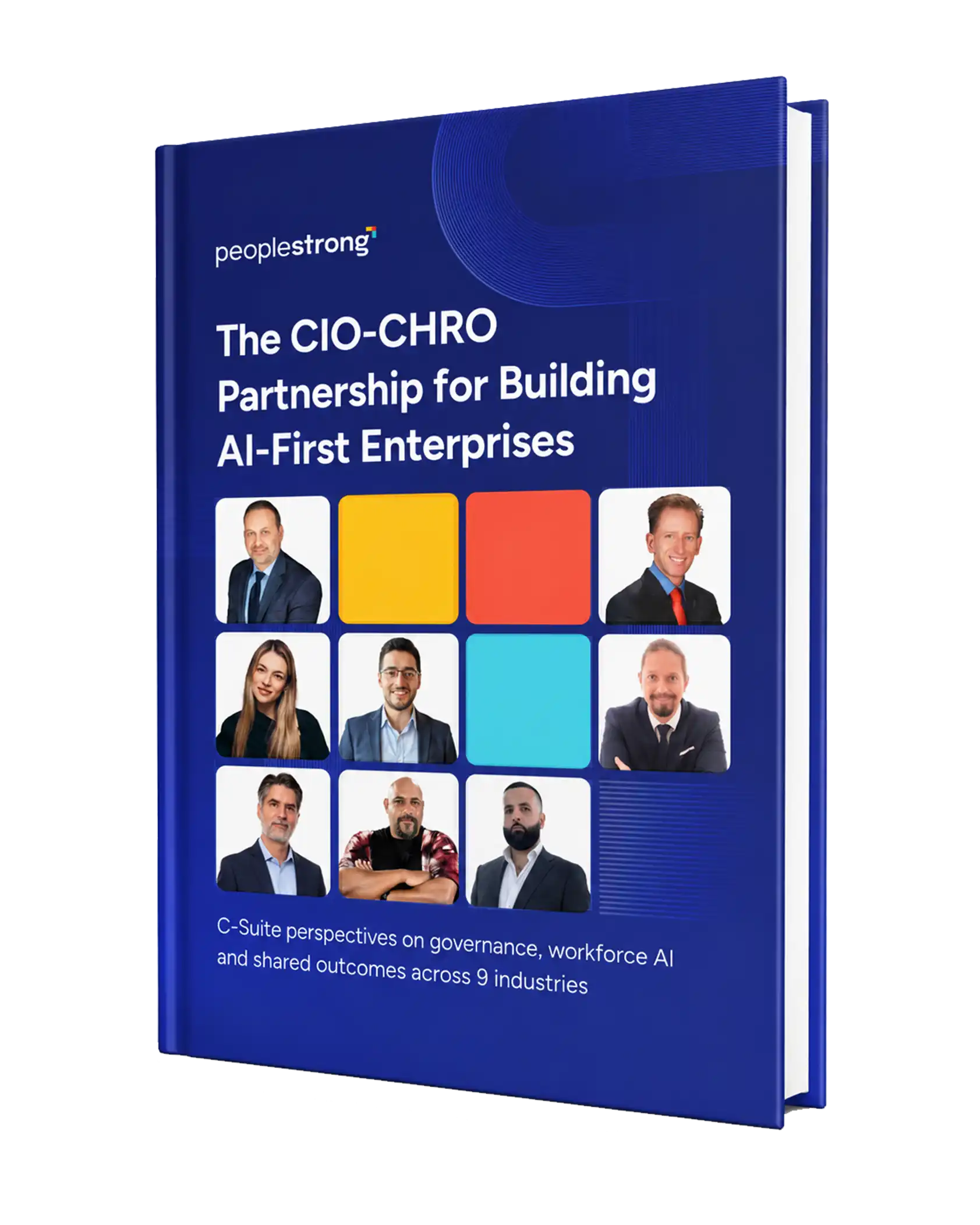
Whitepaper
The CIO-CHRO Partnership
for Building AI-Powered Enterprises
C-suite perspectives on governance, workforce AI and shared outcomes across 9 industries.
In this whitepaper, we discuss
- The evolving CIO function
- Understanding the dynamics of CIO-CHRO partnership
- Business impact of their partnership
- What co-owning AI governance looks like
- Action playbook for CIO-CHRO collaboration
About the Partnership
How CIO and CHRO Share Ownership
AI transformation isn't owned by IT or HR functions alone. This whitepaper maps decisions, priorities, and outcomes both functions must co-own.
Shared governance
A joint CIO-CHRO steering committee co-owns decisions on vendor selection, data access, deployment, and risk — not just reviews them.
Joint metrics
Both functions anchor to the same outcomes — adoption rate, time-to-competence, and process completion — instead of measuring success separately.
Unified data strategy
Employee data quality becomes a joint responsibility, with both functions owning the standards, integrations, and access together.
Expert Opinion
CXO's Take on the CIO-CHRO Partnership
9 Leaders across conversational AI, eCommerce, insurance, tax law and more on how the partnership works in practice.
Ready to move your CIO and CHRO from talking points to a shared scorecard?
See how 9 industry leaders are building that partnership in practice.
Download NowQuestions, Answered
Before You Download
Because the CIO builds the system and the CHRO decides whether people actually use it. Most AI projects fail not on technology, but on the adoption side only the CHRO can influence.
Because the outcomes boards ask about — adoption, productivity, retention — all sit downstream of decisions the CHRO makes. A CIO-only strategy can hit every technical milestone and still fail on the business outcome.
Occasional check-ins usually mean the CIO still measures uptime and the CHRO still measures satisfaction, separately. The partnership only holds when both are accountable to the same shared metrics, not just aware of each other's work.